
Pakistan: Lawyers criticize 26th and 27th ‘Constitutional Amendments’, reject Federal Constitutional Court
A lawyers' convention in Pakistan has criticised the 26th and 27th ‘Constitutional Amendments’ and called for commitment to constitutional supremacy and the judiciary's independence, local media reported on Sunday.

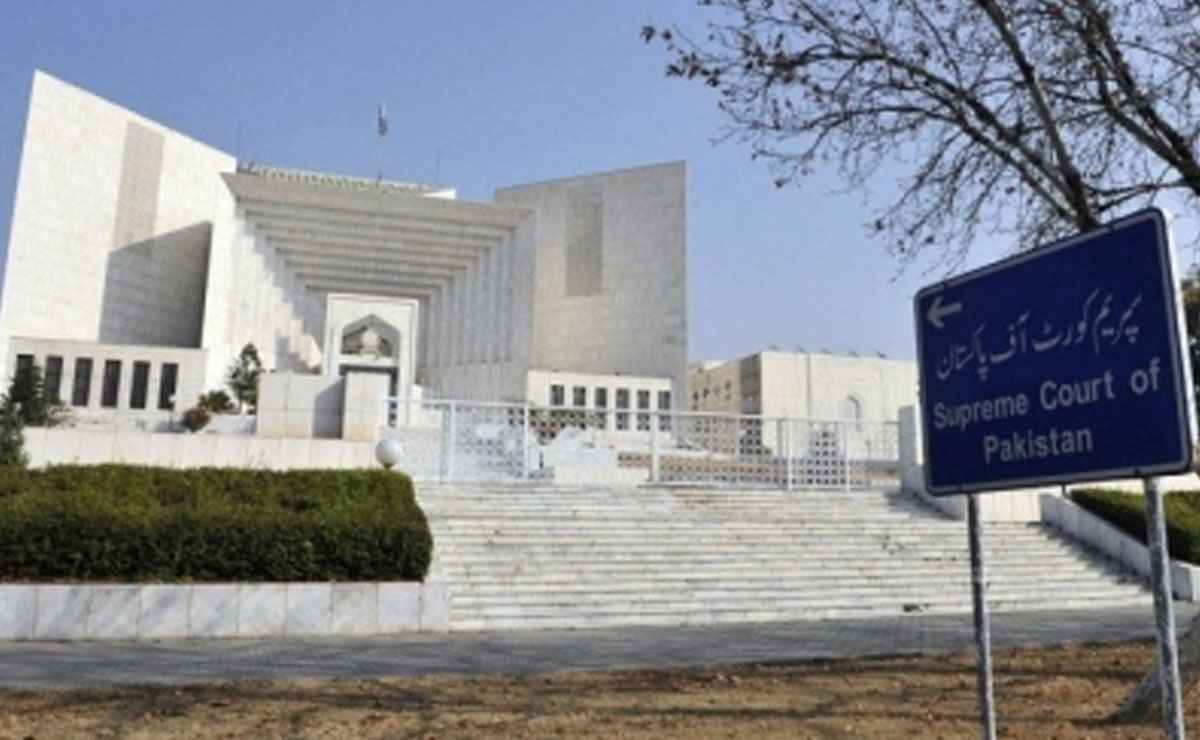
Islamabad: A lawyers’ convention in Pakistan has criticised the 26th and 27th ‘Constitutional Amendments’ and called for commitment to constitutional supremacy and the judiciary’s independence, local media reported on Sunday. A resolution which included several demands and condemnations was passed during the convention hosted by the Lahore High Court Bar Association (LHCBA) and the Lahore Bar Association (LBA). The resolution began with the rejection of the amendments, emphasising that these changes damaged the constitution and destroyed the judiciary in Pakistan, Pakistani daily Dawn reported.
It also condemned the establishment of the Federal Constitutional Court, terming it an “unconstitutional” court and a “murder” of the judiciary. The resolution demanded the return of missing persons and the release of all political leaders, including Pakistan Tehreek-e-Insaf (PTI) founder Imran Khan, PTI leaders Shah Mehmood Qureshi and Yasmin Rashid, Baloch activist Mahrang Baloch, and others, who, according to the lawyers, have been arrested through false cases.
Also Read: BRS calls for ‘Vijay Diwas’ celebrations on December 9
It stated that detention of these leaders breaches fundamental rights like the right to life, liberty, equality, fair trial, and due process. On November 28, the UN High Commissioner for Human Rights, Volker Turk, raised serious concerns over Pakistan’s new constitutional amendments, warning that they are counter to the separation of powers that underpin the rule of law and safeguard the protection of human rights in the country.
In a statement, Turk stated that the latest constitutional amendment, like the 26th Amendment, had been adopted without broader discussion with the legal community and the people of Pakistan. According to the changes adopted on November 13, a new Federal Constitutional Court (FCC) has been granted powers over constitutional cases, replacing the previous authority of the Supreme Court, which will now only deal with civil and criminal cases.
“These changes, taken together, risk subjugating the judiciary to political interference and executive control. Neither the executive nor legislative should be in a position to control or direct the judiciary, and the judiciary should be protected from any form of political influence in its decision-making,” Turk said. “A core measure of judicial independence is a tribunal’s insulation from political interference by the Government.
If judges are not independent, experience shows that they struggle to apply the law equally and to uphold human rights for all in the face of political pressure”, he added. Pakistani President Asif Ali Zardari signed the 27th Constitutional Amendment Bill on November 13, following its approval by both houses of Parliament. With his assent, the bill has now become part of Pakistan’s Constitution.
The amendment grants lifelong immunity to the President, the Field Marshal, the Marshal of the Air Force, and the Admiral of the Fleet from criminal proceedings and arrest, according to the statement. Turk stated: “Sweeping immunity provisions like these undermine accountability, which is a cornerstone of the human rights framework and democratic control of the armed forces under the rule of law.” “I am concerned that these amendments risk far-reaching consequences for the principles of democracy and rule of law which the Pakistani people hold dear,” he added.


