
Hyundai Mobis expands research centre in India amid growing local demand
Hyundai Mobis, South Korea's largest auto parts maker, said on Monday it has established an additional research and development (R&D) centre in India to meet growing demand from global carmakers for core component development.

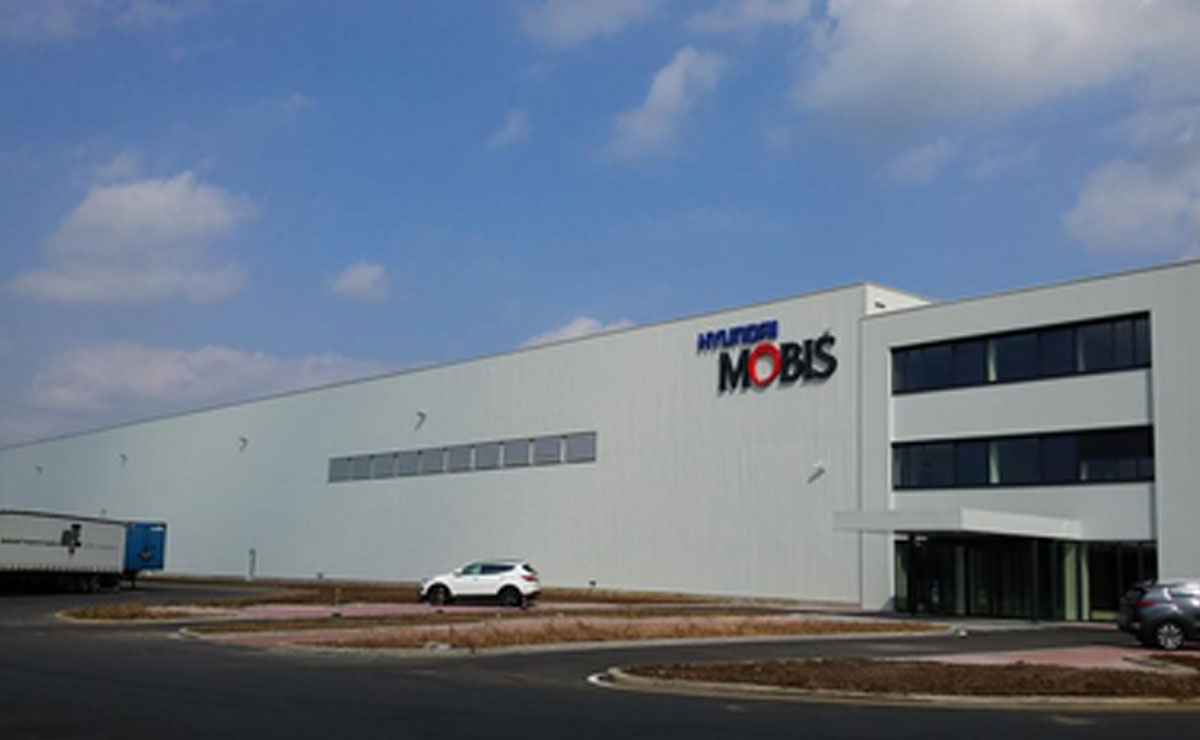
Seoul: Hyundai Mobis, South Korea’s largest auto parts maker, said on Monday it has established an additional research and development (R&D) centre in India to meet growing demand from global carmakers for core component development. Hyundai Mobis will operate the new centre, located in Bengaluru, as a specialised software R&D branch, complementing its existing R&D facility launched earlier this year, as part of a dual-track strategy tailored to local market needs, the company said in a press release, reports Yonhap news agency.
The Indian automotive market is shifting from compact vehicles to mid- to large-sized models. With the wider adoption of high-end electronic components, such as advanced driver assistance systems (ADAS), demand for advanced auto parts has risen significantly, it said. “The existing integrated R&D hub in Hyderabad will continue to serve as our local R&D headquarters, focusing on software strategy and application development.
Also Read: Three flights land safely at Hyderabad airport after bomb threats
The second branch will handle areas closely connected to hardware, including frameworks that serve as the foundation for software functionality,” the company said. In India, Hyundai Mobis manufactures modules and key components at its two plants in Chennai and Anantapur, while its Gurugram parts facility ensures a stable supply of after-sales service parts.
The company aims to increase the value of orders from global customers in India sixfold by 2028 compared with 2025, though it did not disclose the specific figures. Hyundai Mobis is targeting US$7.44 billion in global orders this year, up sharply from $2.56 billion last year, backed by strong demand for high value-added electric vehicle (EV) components, according to the report. Hyundai Mobis currently derives 90 percent of its overall parts sales from the two affiliated carmakers. It aims to increase the share of overseas parts sales from 10 per cent to 40 per cent by 2033. –


