
India vs South Africa 4th T20I Called Off Due to Smog, BCCI Scheduling Under Fire
BCCI faces criticism after the 4th India vs South Africa T20I in Lucknow was abandoned due to dense smog and hazardous AQI levels, raising concerns over winter scheduling.

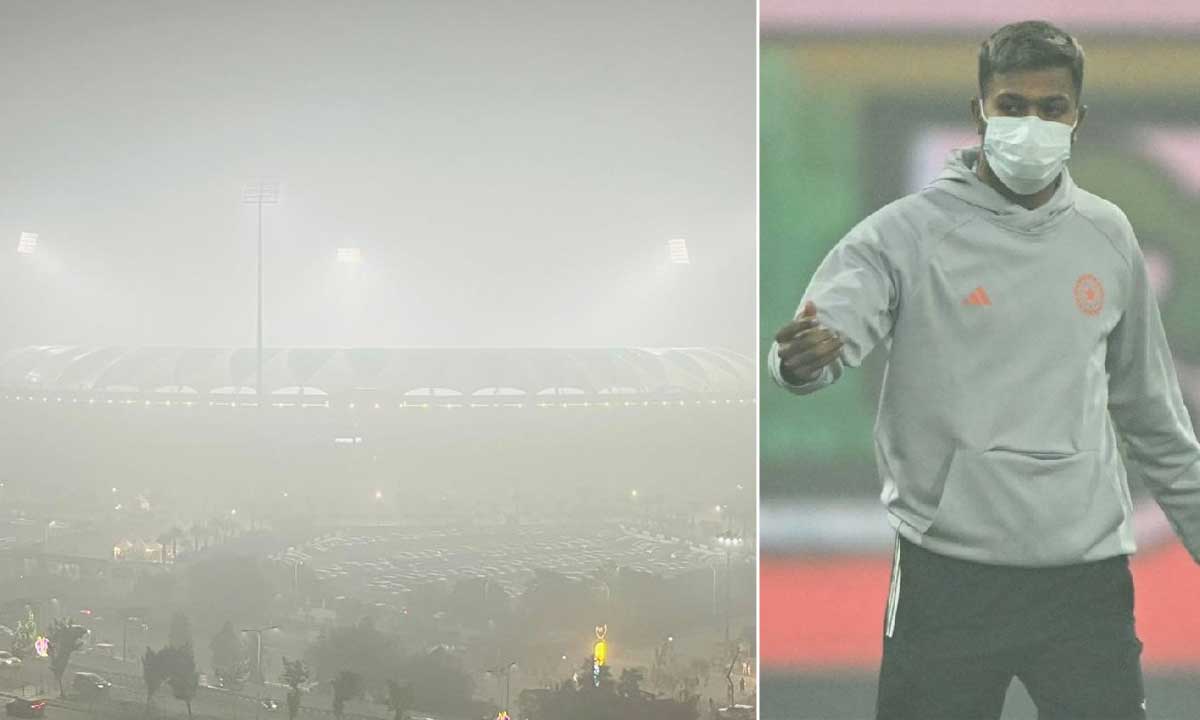

Munsif News 24×7 | Lucknow: The Board of Control for Cricket in India (BCCI) has come under sharp criticism after the fourth T20I between India and South Africa was called off in Lucknow due to dense smog, raising serious questions about match scheduling during the peak winter pollution season in northern India.
Table of Contents
4th T20I Abandoned Without a Ball Bowled
The match, scheduled at the Ekana Stadium in Lucknow, was officially abandoned due to poor visibility, with a thick layer of smog covering the ground. No ball was bowled, and the decision was taken after multiple inspections by match officials.
Although the official reason cited was “excessive fog,” the real concern was severe smog, which made conditions unsafe for players and officials as visibility continued to worsen into the night.
Also Read: IPL 2026 Auction: From Cameron Green to Prashant Veer – Updated player list of all ten teams
Hazardous Air Quality Raises Player Safety Concerns
On match day, Lucknow’s Air Quality Index (AQI) crossed the hazardous level, remaining above 400, sparking debate over player welfare and health risks.
During warm-up sessions:
- Players struggled with visibility
- Hardik Pandya was seen wearing a surgical mask
- Warm-ups were abandoned by 7:30 pm
By 9 pm, even spectators began leaving the stadium due to cold weather and worsening air conditions.
Match Called Off After Multiple Inspections
The match was scheduled to begin at 7 pm, but after six inspections, it was finally called off at 9:30 pm. Officials were aware early on that conditions were unlikely to improve as night progressed.
With no reserve day available, both teams will now move to Ahmedabad for the final T20I, with India leading the series 2–1.
Questions Raised Over BCCI’s Winter Scheduling
Cricket experts and fans have questioned why the BCCI scheduled multiple matches in north Indian cities during November and December, when pollution and weather conditions are known to worsen.
Venues for the series included:
- Lucknow
- New Chandigarh
- Dharamsala
- Ranchi
- Raipur
- Visakhapatnam
- Cuttack
- Ahmedabad
- Guwahati
- Kolkata
Several of these venues regularly experience severe pollution or extreme cold during winter.
Cold and Pollution Affected Earlier Matches Too
This was not an isolated issue.
Earlier in the series:
- Dharamsala witnessed sub-10°C temperatures
- New Chandigarh recorded severe air pollution levels
- Players admitted difficulty adapting to conditions
One Indian player described the cold conditions as the most challenging he had ever faced.
Lack of Backup Planning Criticised
Critics argue that:
- Historical weather and pollution data should have been considered
- Afternoon start times could have been explored
- Alternate venues could have been planned
Ticket-paying fans were left disappointed, adding to concerns over poor contingency planning.
Focus Shifts to Final T20I
As the teams’ head to Ahmedabad for the series decider, the abandoned Lucknow match has triggered a broader debate on BCCI’s scheduling strategy, especially regarding player safety, air quality, and fan experience.
The incident has once again highlighted the need for better planning during winter cricket in north India.
Follow Munsif24x7 for more updates.


