
‘Dajjal’ Emerges from Africa? Man Claims to Be the Modern Day Noah
A man claiming to be a modern-day Prophet Noah says a global flood was delayed after his prayers. Islamic scholars reject the claim, citing clear Quranic teachings that no prophet will come after Prophet Muhammad (PBUH).

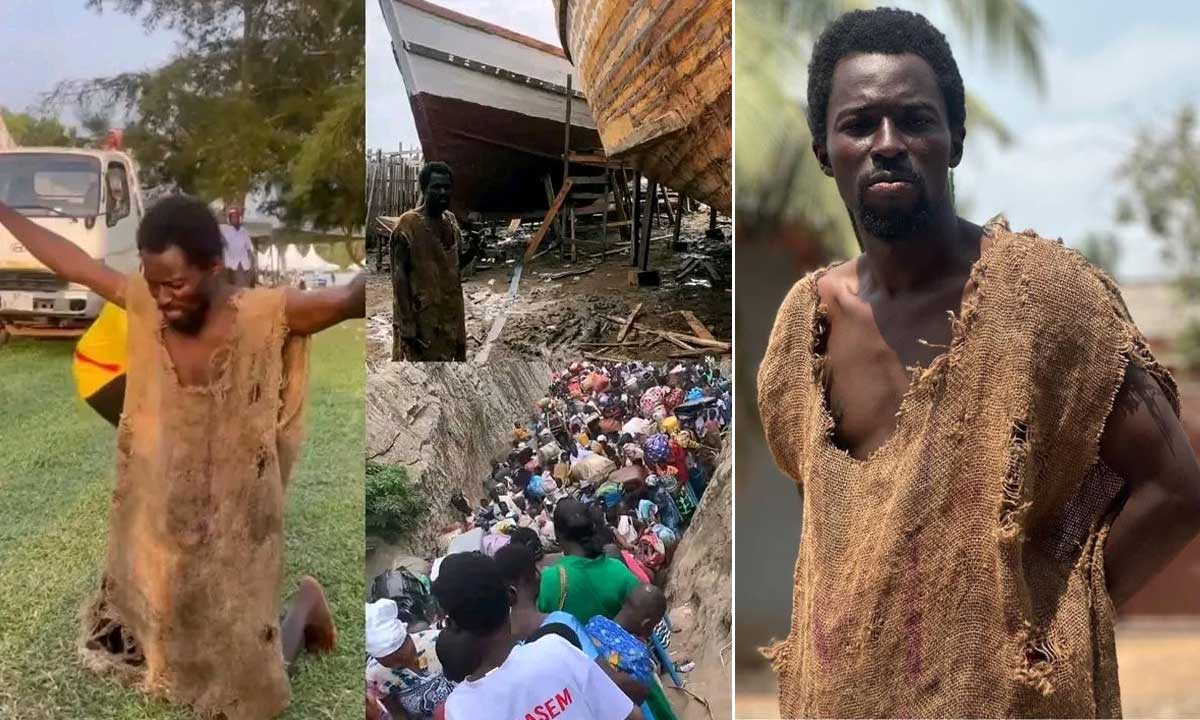

A man calling himself Ebo Noah, who claims to be the modern-day version of Prophet Noah, has once again triggered widespread debate after announcing that a predicted global flood has been “postponed” following his prayers.
The claim has gone viral on social media, drawing strong reactions from religious scholars and the general public alike.
Background: The Failed December 25 Flood Prediction
Earlier, Ebo Noah had claimed that a massive global flood would strike on December 25, similar to the flood mentioned in religious scriptures. He also claimed that he had been divinely instructed to build an ark to save humanity.
Also Read: Ten killed as blast rips through mosque in Nigeria
However, when no such disaster occurred, he issued a fresh statement claiming that God had accepted his prayer and delayed the flood.
Ebo Noah’s New Explanation
According to Ebo Noah:
- The global flood was postponed after his prayer
- God’s “servants” granted him additional time
- The boats prepared were insufficient for people arriving from different countries
- No one should panic or book space on any boat
He also claimed that he is not collecting money and that people should continue living normally.
Islamic Perspective: Clear Rejection of Such Claims
Islamic teachings clearly reject such claims. According to Islamic belief:
- Prophet Muhammad ﷺ clearly stated that after him, around 30 false claimants would appear, each falsely claiming prophethood
- The Qur’an clearly declares that Prophet Muhammad ﷺ is the final messenger, and no new prophet will come after him
- Anyone claiming prophethood or divine status after him is considered a false claimant (kazzab)
Islamic scholars emphasize that true prophets never contradict divine commands, nor do they change their statements based on circumstances.
Religious Scholars Warn Against Deception
Scholars and observers state that:
- Making and then withdrawing prophetic claims proves falsehood
- Changing predictions weakens credibility
- Using fear of disasters to gain attention or influence is misleading
They warn that such individuals often seek fame, attention, or financial gain, and that people—regardless of religion—should use reason and awareness before believing such claims.
Public Advised to Stay Alert
Experts urge people not to be misled by sensational predictions or emotional appeals. They stress that:
✔️ No scientific or religious authority supports the flood claim
✔️ No verified signs of a global disaster exist
✔️ Critical thinking and awareness are essential


