
Concerns raised over Pakistan’s possible role in post-war Gaza ISF: Report
Pakistan’s potential participation in the US-initiated postwar Gaza 'International Stabilisation Force' (ISF) could undermine efforts aimed at dismantling Hamas's military infrastructure, a report said on Thursday.

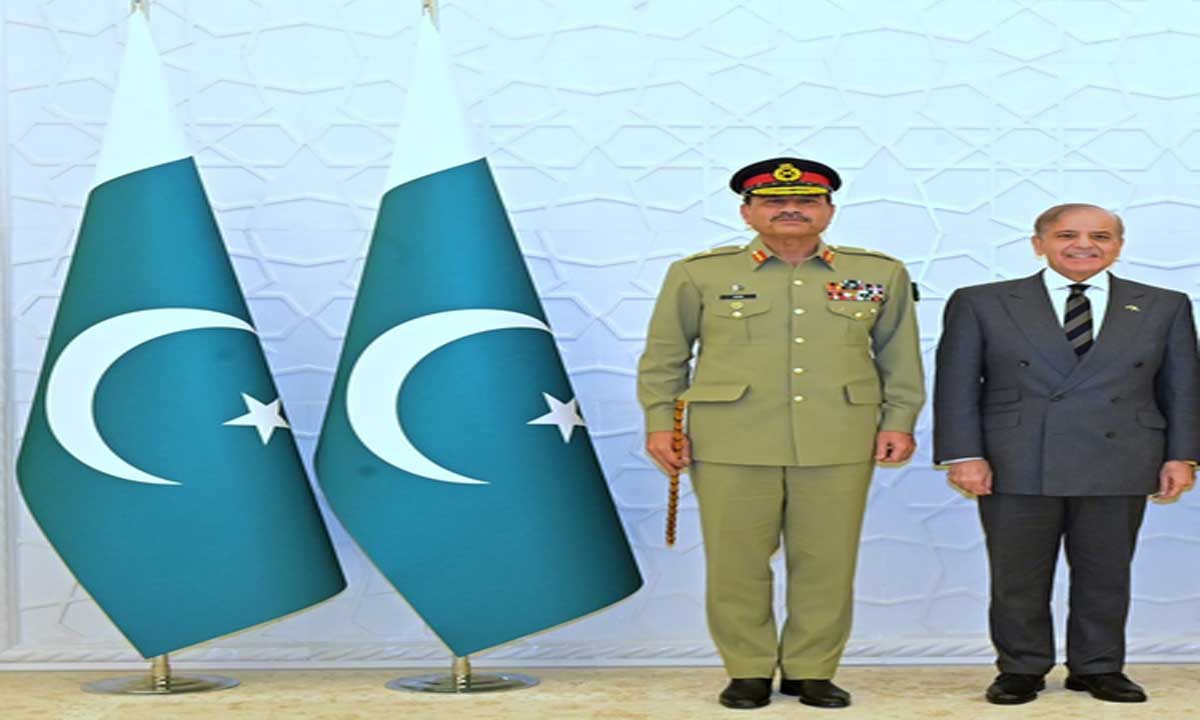
Washington: Pakistan’s potential participation in the US-initiated postwar Gaza ‘International Stabilisation Force’ (ISF) could undermine efforts aimed at dismantling Hamas’s military infrastructure, a report said on Thursday.
It warned that a mission designed to stabilise Gaza and dismantle Hamas, entrusting security responsibilities to Pakistan, which openly legitimises the terror group– risks turning the stabilisation force into a disguised risk for Hamas’s survival.
“Israeli officials report that three countries have agreed to Washington’s request to participate in a postwar Gaza ‘International Stabilization Force’. The identities of all three have not been disclosed, though Indonesia may be one of them. Earlier reports also identified Pakistan as a possible contributor to the ISF,” a report in New York-based think tank Gatestone Institute highlighted.
“In addition, Pakistan does not officially recognise Israel, and has never designated Hamas as a terrorist organisation. It may well have an interest in making sure that Hamas can continue its ‘resistance’ — meaning terrorism,” it stated.
According to the report, Pakistan’s military and its primary intelligence agency, the Inter-Services Intelligence (ISI), have long been accused of cultivating ties with Islamist militant organisations.
For decades, it said, the ISI fostered Pakistan-based groups such as Lashkar-e-Taiba (LeT) and Jaish-e-Mohammed (JeM), whose ideologies closely align with Hamas. Such connections, the report argued, cast doubt on Pakistan’s ability to counter Hamas in a postwar Gaza setting.
“Since the October 7, 2023, massacre, Pakistan’s posture toward Hamas has become increasingly encouraging. Hamas representatives have been allowed to operate freely on Pakistani soil, participate in public events, and build alliances with Pakistan-based terror outfits. Such behaviour directly undermines Western efforts to isolate Hamas and raises questions about whether the United States should continue to regard Pakistan as a ‘major non-NATO ally’,” the report detailed.
Highlighting another major risk involving Pakistan, notably intelligence leakage, it said, “If deployed in Gaza, Pakistani units could quietly pass sensitive information to Hamas or its regional backers under the guise of cooperation. Reports have previously alleged ISI involvement in facilitating Hamas outreach across South Asia, including visits to Bangladesh and Pakistan-occupied Jammu and Kashmir to energise jihadist networks.”


