
Iran to execute 26-year-old protester; family given just 10 minutes for final goodbye
A 26-year-old Iranian protester detained during nationwide anti-Khamenei demonstrations is scheduled to be executed on Wednesday, in a case that has sparked international alarm and renewed concerns over Iran’s use of capital punishment to suppress dissent.

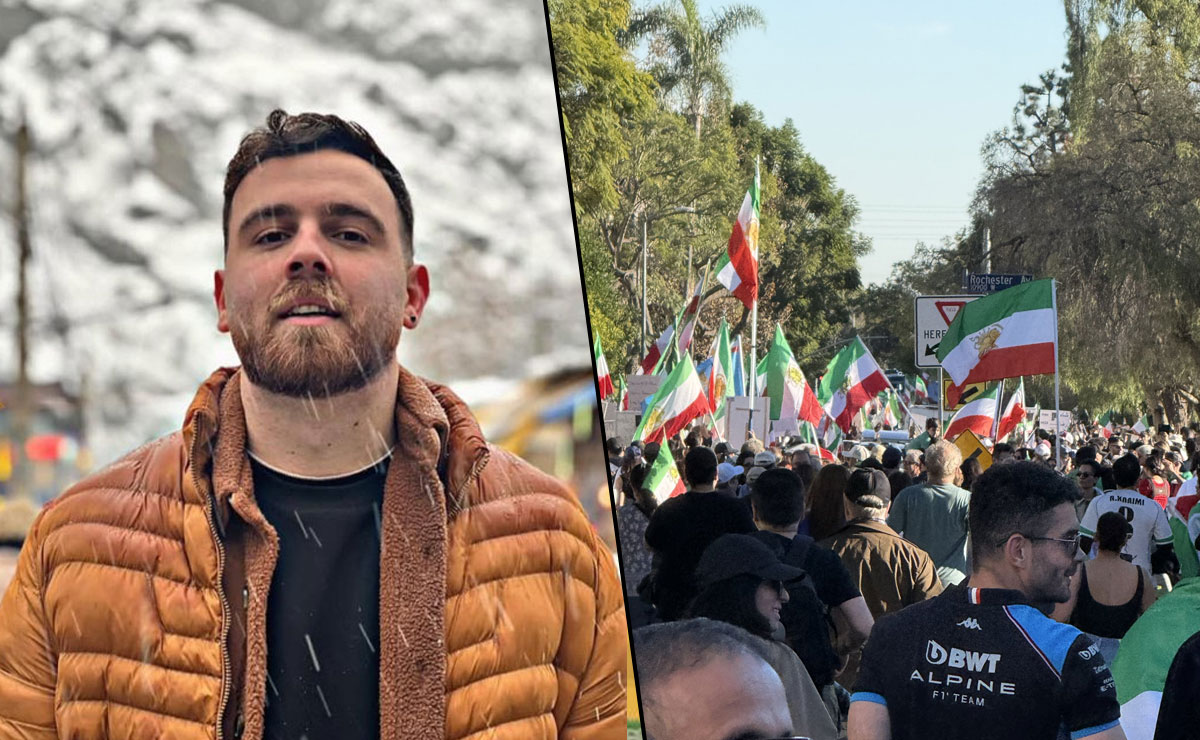
New Delhi: A 26-year-old Iranian protester detained during nationwide anti-Khamenei demonstrations is scheduled to be executed on Wednesday, in a case that has sparked international alarm and renewed concerns over Iran’s use of capital punishment to suppress dissent. Erfan Soltani, arrested on January 8 for participating in protests against Supreme Leader Ayatollah Ali Khamenei, is set to be hanged after being charged with “Moharebeh”, or enmity against God, according to media reports.
If carried out, Soltani’s execution would mark the first hanging directly linked to the current wave of anti-Khamenei unrest. For days following his arrest, Soltani’s family had no information about his whereabouts. When they were finally contacted by Iran’s security apparatus, they were not informed of formal charges or a court hearing. Instead, they were told that Soltani had already been sentenced to death. Authorities allowed the family a single meeting with him — limited to just 10 minutes — to say their final goodbyes.
Family members, described as frightened and traumatised, have reportedly been warned not to speak publicly about the case. Iranian authorities allegedly threatened that additional family members would be arrested if they shared information with the media or activists. Soltani’s execution order, issued within a week of his arrest, has drawn sharp criticism from international legal experts and human rights groups.
They warn that Iran may be resorting to what they describe as “field executions”, summary killings carried out without due process, as a tool to intimidate protesters and stifle opposition. Soltani’s case is being cited as a chilling example of the regime’s increasingly harsh response to dissent. The protests, now in their 20th day, initially erupted over record inflation and the sharp devaluation of Iran’s currency, but have since escalated into widespread demonstrations questioning the authority of the Supreme Leader. Unrest has been reported in more than 280 locations across the country.
According to activist groups, the regime’s crackdown has been severe. At least 2,000 people have reportedly been killed, while approximately 20,000 have been arrested. Internet services have been shut down for over five days, severely restricting communication with the outside world. Activists say some Iranians attempted to use Starlink satellite internet to bypass restrictions, but authorities allegedly jammed the signals using military-grade equipment and deployed militias to raid rooftops, seize terminals, and punish users.


