
Pakistan’s food insecurity crisis poses public health, economic risks
Moderate or severe food insecurity at the national level has risen sharply from 15.92 per cent in 2018–19 to 24.35 per cent in 2024–25. In population terms, this means roughly 61 million Pakistanis now live in households where access to food is uncertain.

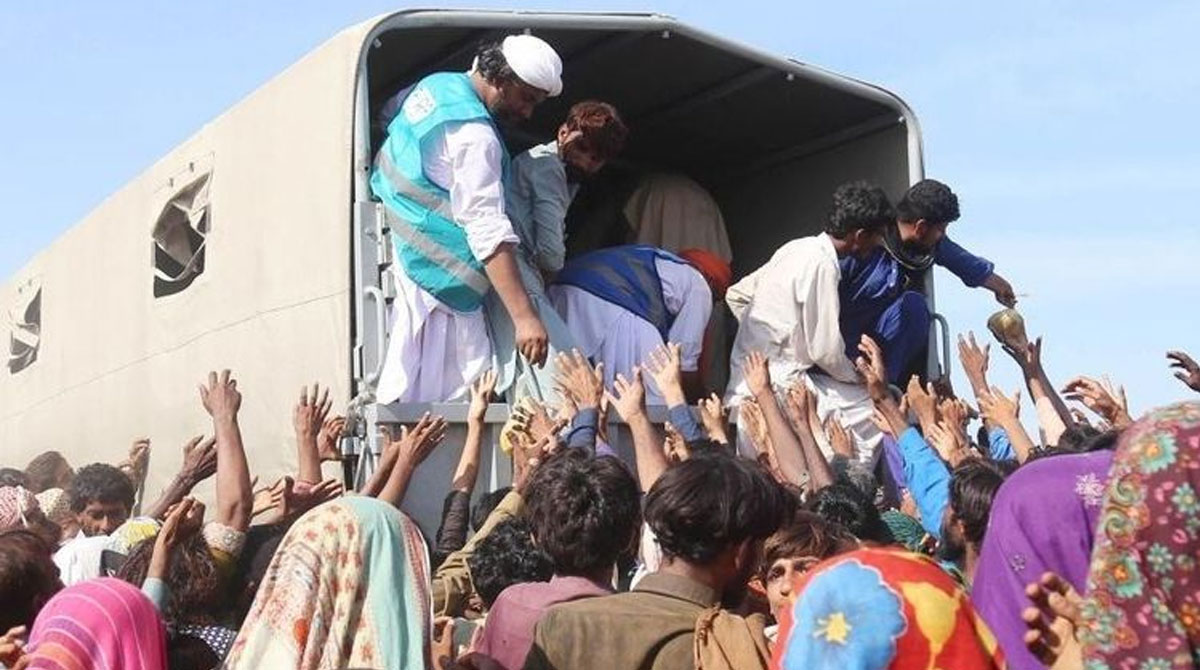
New Delhi: Pakistan’s food insecurity challenge is not only a social sector concern but a growing public health and economic risk. When nearly one in four Pakistanis faces moderate or severe food insecurity, the implications will surface in higher healthcare costs, reduced labour productivity and deeper intergenerational poverty, according to an editorial published in the Karachi-based publication Business Recorder.
It highlights that the ‘Food Insecurity Experience Scale’ findings from ‘HIES 2024–25’ present a reality far more troubling than the language used to describe them. While the report refers to “significant progress yet persistent challenges” in ensuring equitable food access, the data itself points to a clear and sustained deterioration.
Moderate or severe food insecurity at the national level has risen sharply from 15.92 per cent in 2018–19 to 24.35 per cent in 2024–25. In population terms, this means roughly 61 million Pakistanis now live in households where access to food is uncertain.
Follow for more details: munsifdaily.com
Severe food insecurity has more than doubled from 2.37 per cent to 5.04 per cent, implying that about 12.6 million people are facing the most extreme form of deprivation. These are not indicators of progress but of deepening vulnerability.
According to the FAO, moderate food insecurity reflects a situation in which households cannot reliably access sufficient food and are forced to compromise on quality, variety, or regularity of meals. Severe food insecurity represents a far graver condition, where households run out of food altogether and may go a day or more without eating.
When viewed through this lens, the HIES findings signal not just rising discomfort, but a growing number of Pakistanis experiencing sustained nutritional stress and outright hunger, the editorial points out.
The consequences extend well beyond empty stomachs. FAO evidence shows that moderate food insecurity is closely linked to poor diet quality, micronutrient deficiencies, and rising obesity due to reliance on highly processed foods. Severe food insecurity carries even heavier costs, increasing risks of physical illness, mental stress, and long-term health damage.
For children, repeated exposure to food insecurity raises the likelihood of stunting, wasting, impaired cognitive development, and weaker educational outcomes, effects that permanently undermine human capital and future productivity, the article added.


