
Assam SIR Form 7 Controversy Before 2026 Elections Raises Fears of Mass Muslim Voter Deletions
Assam SIR Form 7 voter deletion controversy ahead of 2026 elections sparks concern as thousands question whether Special Intensive Revision is removing genuine muslim voters.

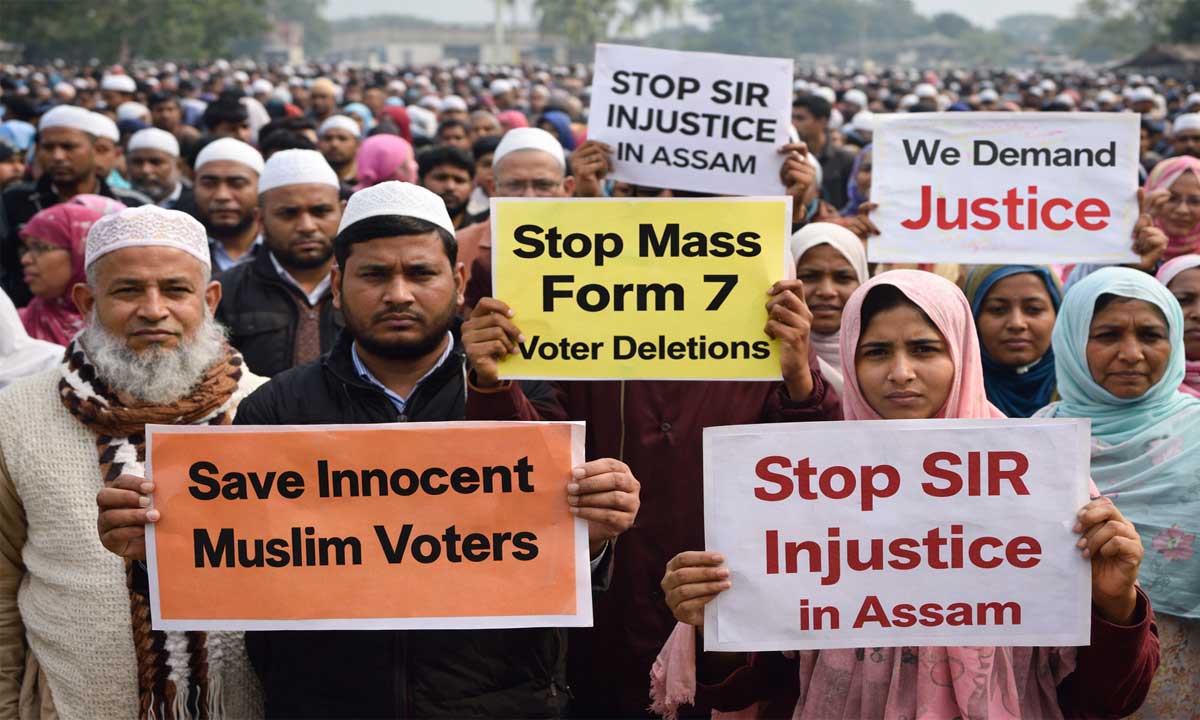
As Assam prepares for the 2026 Assembly elections, a routine electoral exercise has triggered an intense political and social debate. The Assam SIR Form 7 muslim voter deletion controversy has raised serious questions about whether the Special Intensive Revision (SIR) process is strengthening electoral rolls—or quietly excluding genuine voters.
At the heart of the issue is Form 7, a provision that allows objections to be filed against existing voters during the SIR process. What was meant to correct errors is now being accused of becoming a tool for large-scale voter exclusion.
What Is SIR and How Does Form 7 Work?
Special Intensive Revision (SIR) is a structured process used to update voter lists through:
- Door-to-door verification
- Claims and objections
- Ground-level scrutiny by Booth Level Officers (BLOs)
Under this mechanism, Form 7 is used to raise objections seeking the removal of a voter’s name, citing reasons such as death, relocation, or ineligibility.
The controversy began when reports emerged that this provision was being used in bulk, often without the affected voters’ knowledge.
Mass Objections and Shocking Claims
Across several districts in Assam, disturbing patterns have surfaced:
- Single individuals allegedly filing objections against dozens, even hundreds of voters
- Voters receiving notices declaring them “dead” or “shifted,” despite being alive and residing at the same address
- Families discovering multiple members facing deletion notices simultaneously
By mid-January, officials confirmed that over 50,000 objections had already been rejected, indicating the scale of questionable filings.
In Dhubri, more than 20,000 objections were recorded—many linked to Muslim-majority areas—deepening fears of selective targeting.
District-Level Irregularities Raise Alarms
In Nagaon, allegations emerged that a single person filed objections against more than 60 voters from one polling booth, including names of booth-level officials themselves.
These developments have exposed serious weaknesses in ground-level safeguards, with critics arguing that verification mechanisms failed to prevent abuse.
Political and Social Reactions Intensify
Opposition parties allege that the Assam SIR Form 7 voter deletion controversy reflects deliberate misuse of electoral procedures. According to them:
- Form 7 is being weaponised as a political tool
- Minority communities are being intimidated or overwhelmed with paperwork
- The objective appears to be reducing voter participation before elections
Civil society groups and student organisations have echoed these concerns, particularly highlighting the psychological impact on communities that previously underwent the NRC process. For many residents, each new notice revives old fears of exclusion and statelessness.
Official Stand vs Ground Reality
Election authorities maintain that:
- No voter can be deleted without due hearing
- Every objection must pass BLO verification
- Voters have the right to respond and appeal
However, ground reports suggest that in some areas, BLOs faced pressure to process objections rapidly, even when claims appeared dubious.
The administration has since issued public warnings stating that fake Form 7 objections are illegal and punishable, an acknowledgment that the system has been misused.
Why Voter Lists Are Extra Sensitive in Assam
Assam’s electoral history makes this issue especially volatile. From the Assam Movement of the 1980s to the NRC exercise, voter identity has long been tied to citizenship, belonging, and political rights.
At the national level, concerns over voter deletions have reached the judiciary, with calls for greater transparency, longer response timelines, and stronger safeguards in electoral roll revisions.
Democracy at Stake
A vote is more than a legal right—it is a citizen’s recognition within a democracy. Any lapse or manipulation in processes like SIR has consequences far beyond paperwork.
The Assam SIR Form 7 voter deletion controversy now stands as a critical warning ahead of the 2026 elections, highlighting the growing gap between official procedures and ground realities.
With thousands of objections, rejected claims, alleged identity misuse, and declining public trust, Assam’s voter list revision has become a defining electoral issue. Whether corrective reforms follow—or whether doubts deepen—will shape not just the 2026 elections, but public faith in the democratic process itself.
Follow MunsifNews24x7 for latest updates.


