
Raebareli Hate Speech Row: Complaint Alleges Open Call for Mass Killing of Muslims at Hindu Conference

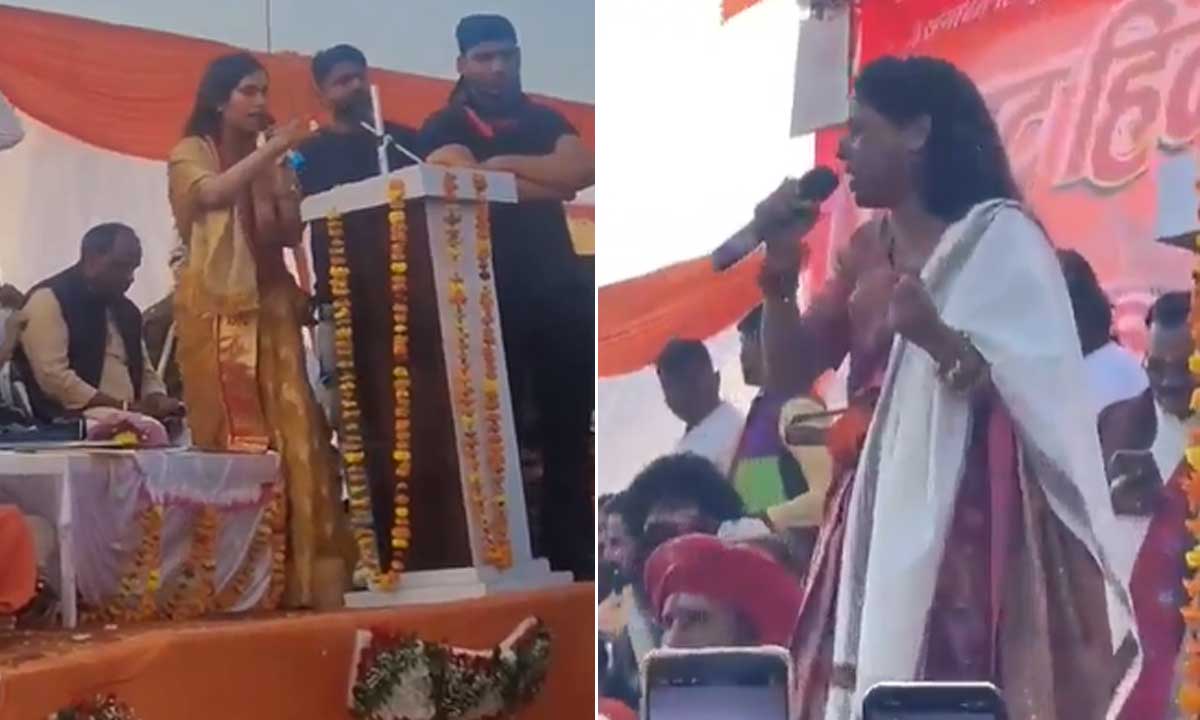

A serious Raebareli hate speech controversy has sparked nationwide concern after allegations emerged that a speaker at a right-wing event openly called for mass violence against Muslims, raising urgent questions about public safety, constitutional values, and law enforcement response.
The incident is linked to the Virat Hindu Conference, held on January 21 in Raebareli, where controversial statements made from the stage are now under legal and public scrutiny.
What Was Allegedly Said at the Conference
According to the complaint now before the police, Riddhi Sharma made remarks that went far beyond political rhetoric.
Key allegations include:
- Referring to a lynching incident in Bangladesh and stating that
“if two people are killed, a hundred should be killed in retaliation.” - Making remarks that critics say amounted to a direct call for mass killing of Muslims.
- Reviving the “love jihad” narrative, suggesting retaliatory actions against women.
- Making comments seen as endorsing the idea that a decline in the Muslim population would not be a concern.
Civil rights observers argue that such statements, delivered from a public platform, risk normalising extreme violence and encouraging vigilantism at the ground level.
Historical References Raise Alarm
Another speaker, Khushboo Pandey, allegedly repeated references to “gobi farming”, a phrase historically associated with the 1989 Bhagalpur riots, where Muslim victims were reportedly killed and buried in fields.
Activists say invoking such language does not merely recall history but glorifies past mass violence, further intensifying communal fears.
Christians Also Targeted, Allegations Say
The complaint also notes that:
- Christians were accused of forced religious conversions.
- Attendees were allegedly warned to remain alert against so-called “jihadis” in their neighbourhoods.
Legal experts point out that such sweeping accusations against entire communities can create fear, social division, and potential unrest.
Formal Complaint Filed, Police Action Sought
Former journalist Prashant Kanojia has submitted a formal written complaint to the Raebareli Superintendent of Police.
In his complaint, Kanojia alleges that:
- The speech amounts to hate speech and incitement to genocide.
- Such statements violate constitutional principles and criminal law.
- Failure to act could embolden similar calls for violence in the future.
He has demanded immediate registration of a case and strict legal action against those responsible.
Why the Raebareli Hate Speech Case Matters
This is not just about one event or one speaker. The Raebareli hate speech case raises broader concerns:
- Can open calls for mass violence be allowed under the guise of free speech?
- Will law enforcement act swiftly to prevent escalation?
- What message does inaction send to society at large?
Legal observers warn that unchecked hate speech often precedes real-world violence, making timely intervention critical.
The Raebareli episode is a stark reminder that words spoken from public stages carry real consequences. As demands for accountability grow, the spotlight is now on authorities to decide whether the law will act decisively or allow such incidents to fade without consequence.
For a diverse and constitutional democracy, drawing a firm line against hate and incitement is not optional—it is essential.
Follow MunsifNews24x7 for latest updates.


