
Iraq’s parliament delays presidency vote again amid political deadlocks
The session was adjourned on Sunday (local time) after the Kurdistan Democratic Party and the Patriotic Union of Kurdistan failed to agree on a consensus candidate for the presidential post, as well as the lack of a quorum, reports Xinhua news agency.

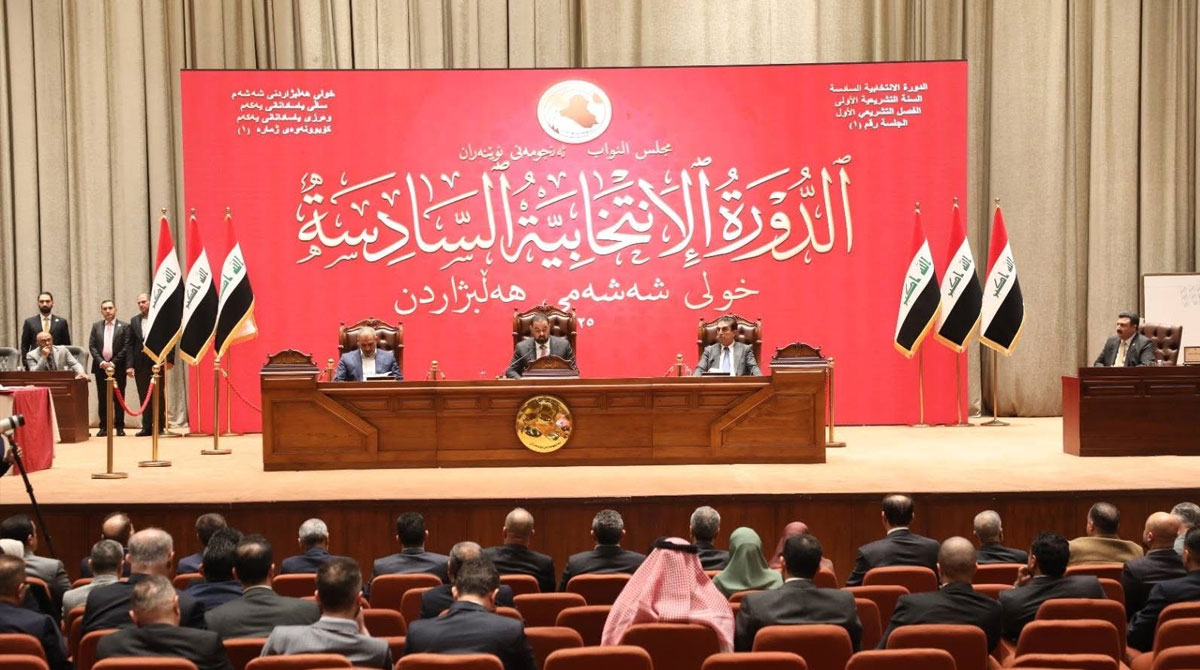
Seoul: Iraq’s parliament has postponed a session to elect the country’s next president following a similar decision last week, due to a persistent deadlock between the two main Kurdish parties.
The session was adjourned on Sunday (local time) after the Kurdistan Democratic Party and the Patriotic Union of Kurdistan failed to agree on a consensus candidate for the presidential post, as well as the lack of a quorum, reports Xinhua news agency.
A statement by the parliament’s media office said that the speaker held a meeting with the heads of the parliamentary blocs to discuss setting a date for the presidential election, stressing “the importance of adhering to the constitutional timelines.”
Iraq held parliamentary elections in November last year. Under the constitution, the parliament must elect a president within 30 days of its first session, which was held on December 29, 2025.
Follow for more details: munsifdaily.com
The president then has 15 days to nominate the leader of the largest parliamentary bloc as the prime minister to form a new cabinet, which must win a confidence vote within 30 days.
Iraq’s Coordination Framework (CF), an umbrella alliance of Shiite parties and the largest parliamentary bloc, reaffirmed on Saturday its support for the nomination of former Prime Minister Nouri al-Maliki for the premiership, rejecting foreign interference in the government formation process.
On January 24, the CF nominated al-Maliki to head the next government.
US President Donald Trump warned on Tuesday that Washington would “no longer help Iraq” if al-Maliki returned to power. Al-Maliki dismissed the comments on Wednesday as “blatant US interference” and a violation of Iraqi sovereignty.
Under Iraq’s post-2003 ethno-sectarian power-sharing system, the presidency is reserved for a Kurd, the parliamentary speaker for a Sunni Muslim, and the prime minister for a Shiite Muslim.


