
OpenAI Robotics Chief Resigns Over Pentagon AI Deal
The head of OpenAI’s robotics team, Caitlin Kalinowski, has announced resignation, citing the company’s move to deploy its artificial intelligence (AI) models within the Pentagon’s classified network.

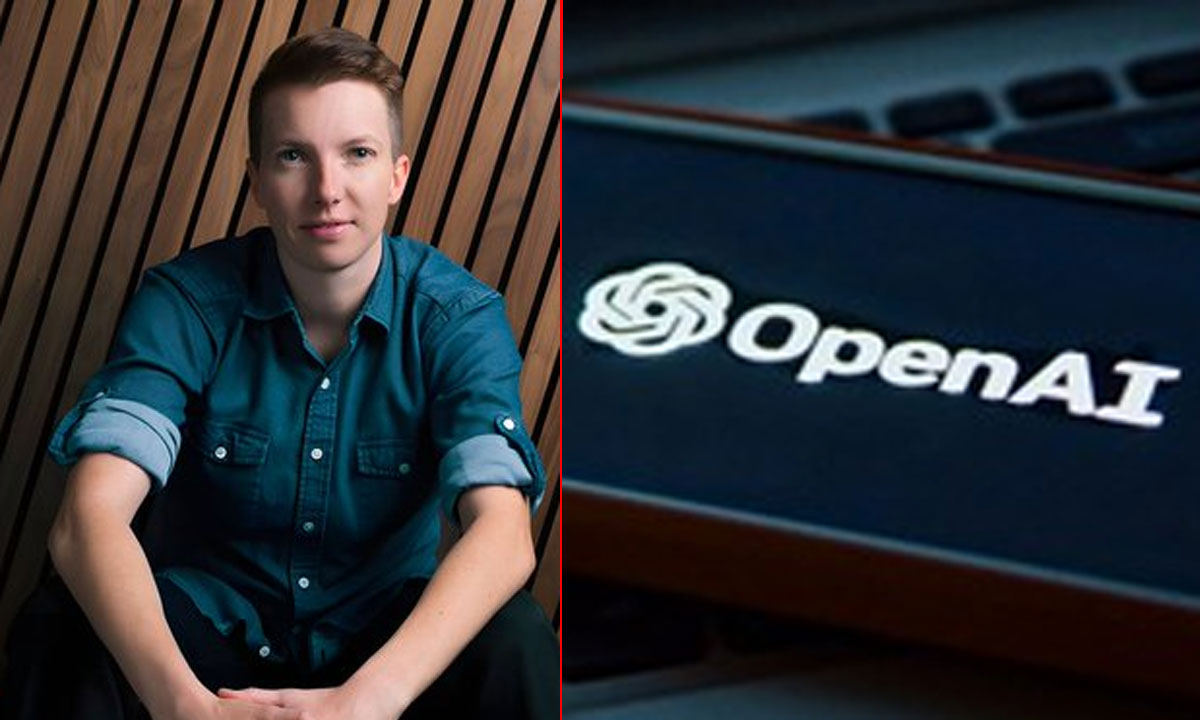

New Delhi: The head of OpenAI’s robotics team, Caitlin Kalinowski, has announced resignation, citing the company’s move to deploy its artificial intelligence (AI) models within the Pentagon’s classified network.
The unexpected departure has triggered discussions across the global technology community about the ethical use of artificial intelligence in national security operations. Kalinowski’s resignation comes at a time when debates around AI governance, military use, and surveillance concerns are becoming increasingly prominent.
OpenAI robotics chief resigns amid Pentagon AI controversy
“AI has an important role in national security. But surveillance of Americans without judicial oversight and lethal autonomy without human authorisation are lines that deserved more deliberation than they got,” Kalinowski said in a post on X, adding that the decision to resign was difficult.
The remarks highlight growing concern among technology leaders about the boundaries between innovation and ethical responsibility when powerful AI systems are integrated into defence infrastructures.
OpenAI responds to resignation and defends Pentagon agreement
OpenAI confirmed Kalinowski’s exit in an emailed statement, saying it believes the Defense Department agreement “creates a workable path for responsible national security uses of AI while making clear our red lines, no domestic surveillance and no autonomous weapons.”
The company emphasised that while it understands the sensitivity of deploying AI in military or intelligence contexts, it believes strict guidelines and safeguards can ensure responsible use of its technologies.
“We recognise that people have strong views about these issues and we will continue to engage in discussion with employees, government, civil society and communities around the world,” the company said.
This statement reflects the balancing act that technology companies increasingly face when working with governments—ensuring innovation while maintaining public trust and ethical boundaries.
Background of Caitlin Kalinowski’s role at OpenAI
Kalinowski joined OpenAI in November 2024 after leading augmented-reality glasses’ team at Meta.
Her arrival at OpenAI was seen as a major addition to the company’s robotics and hardware ambitions. With a strong background in emerging technologies and advanced computing systems, she was expected to play a significant role in expanding OpenAI’s robotics capabilities.
However, the Pentagon agreement appears to have created a fundamental disagreement about the direction and ethical implications of the company’s AI deployments.
Details of OpenAI’s Pentagon AI agreement
OpenAI, in a late-February deal with the Pentagon, struck an agreement to deploy advanced AI systems “in classified environments,” which the company requested the government to also make available to all AI companies, a release said.
“We retain full discretion over our safety stack, we deploy via cloud, cleared OpenAI personnel are in the loop, and we have strong contractual protections. This is all in addition to the strong existing protections in US law,” the company said.
According to the company, the safeguards are designed to prevent misuse of AI technology while enabling national security agencies to benefit from advanced computational tools.
Wider tech industry tensions over government AI contracts
The deal was reached after talks between the Donald Trump administration and Anthropic broke down. Anthropic has said it will challenge a Pentagon designation that labelled the company a supply-chain risk.
OpenAI also publicly disagreed with the blacklisting of Anthropic.
Anthropic also confirmed it has been formally designated a “Supply Chain Risk (SCR)” by the US government and the firm’s CEO also apologised for criticising President Donald Trump.
The CEO clarified that the designation would apply only to use of Anthropic’s Claude models within Department of War contracts and not to “all use of Claude by customers who have such contracts”.
Growing debate over AI ethics and military use
Kalinowski’s resignation underscores the growing tensions inside the artificial intelligence industry regarding how advanced technologies should be used in defence and surveillance systems.
As AI systems become more powerful and integrated into critical infrastructure, questions surrounding transparency, accountability, and ethical oversight are becoming central to public debate.
Technology companies like OpenAI, Anthropic, and others are increasingly finding themselves navigating complex relationships with governments, balancing national security demands with concerns about civil liberties and responsible innovation.
The situation also highlights how internal disagreements within technology organisations can shape the future direction of AI development. Kalinowski’s departure may further intensify discussions about how AI should be regulated and how far companies should go in supporting military applications.
For the global technology industry, the episode serves as a reminder that the rapid advancement of artificial intelligence brings not only technological breakthroughs but also serious ethical and policy challenges that will require careful consideration in the years ahead.
Follow MunsifNews24x7 for latest updates.


