
Afghan Ministry condemns Pakistani strike on Kunar University as 30 injured
Afghanistan’s Ministry of Higher Education strongly condemned the missile attack by the Pakistani military forces on Sayed Jamaluddin Afghan University in Kunar province, stating that the strike injured nearly 30 students and professors, while causing extensive damage to the university's infrastructure.

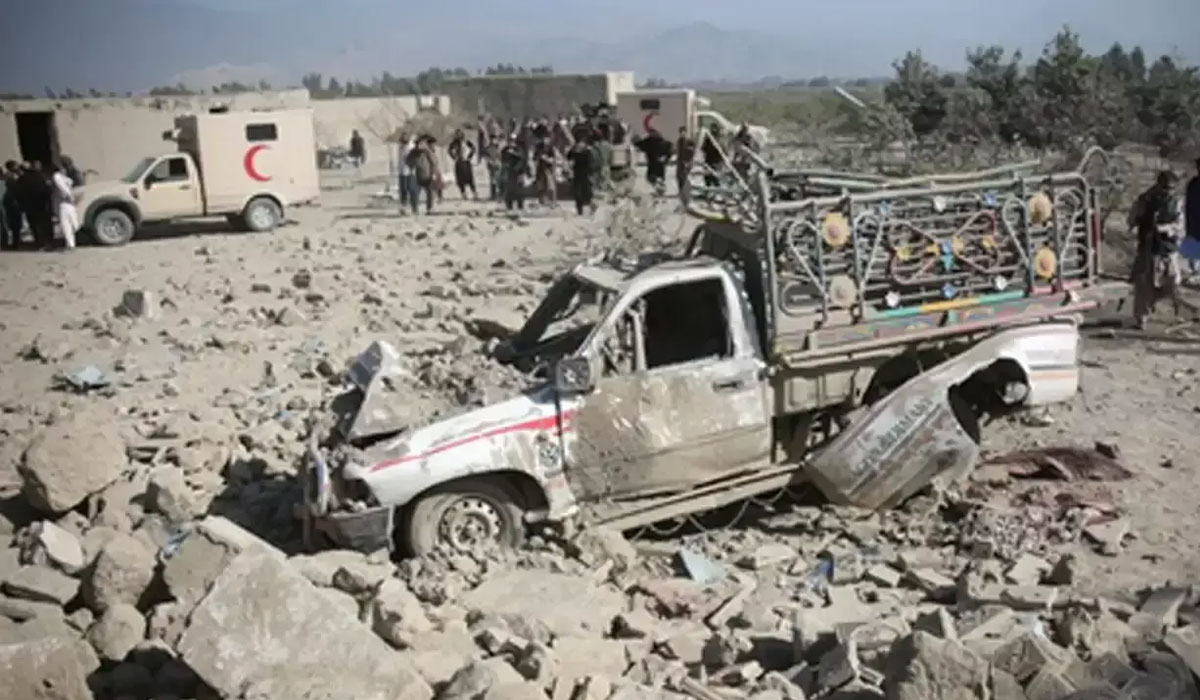
Kabul: Afghanistan’s Ministry of Higher Education strongly condemned the missile attack by the Pakistani military forces on Sayed Jamaluddin Afghan University in Kunar province, stating that the strike injured nearly 30 students and professors, while causing extensive damage to the university’s infrastructure.
In a statement issued on Monday following the attack, the Ministry denounced the act as “cowardly, ruthless, and contrary to all Islamic and international principles”.
Calling the strike an attack on education and the fundamental foundations of Afghanistan, the Ministry urged international organisations not to remain silent in the face of the “ruthless action”.
The statement further noted that Sheikh Neda Mohammad Nadeem, Afghanistan’s Minister of Higher Education, has directed authorities to ensure prompt treatment and care of the injured.
Reaffirming its support for students, professors, and academic centres, the Ministry assured that it would use all its resources to safeguard the country’s academic centres, especially universities and religious institutions.
Meanwhile, a leading international human rights organisation expressed grave concern over reports of civilian harm following Pakistani military strikes in Asadabad, the capital of Afghanistan’s Kunar Province.
Citing local sources, International Human Rights Foundation (IHRF) stated that the strikes on Monday afternoon hit residential areas as well as the Syed Jamaluddin Afghan University, resulting in significant civilian casualties and affecting as many as 48 individuals, including civilians and university students.
Follow for more details: munsidaily.com
The rights body said that reports from local medical facilities indicated that dozens of injured people and several deceased had been brought in, many of whom were women, children, and students.
The IHRF cited one student stating that the strike occurred while classes were in session, causing panic and injuries among those present. Such accounts, it said, raise serious concerns over the “apparent targeting of civilian infrastructure”.
“This incident reflects a troubling pattern of cross-border violence in Kunar Province, where previous strikes have reportedly resulted in civilian deaths, including among women and children, and damage to essential civilian infrastructure,” the rights body stated.
“Under international humanitarian law, all parties to a conflict are obligated to distinguish at all times between civilians and combatants and between civilian objects and military targets. Attacks directed against civilians or civilian infrastructure—including educational institutions—are strictly prohibited,” it added.
The IHRF called for an immediate, independent, and transparent investigation into the incident, full accountability for any violations of international humanitarian law, and concrete measures to prevent further harm to civilians.
It also appealed for the protection and respect of educational institutions and other civilian spaces.


