
After Khamenei’s Death, Hassan Khomeini Emerges as Key Name in Iran Leadership Debate
After Khamenei’s death, Hassan Khomeini emerges as key name in Iran leadership debate. Grandson of Ruhollah Khomeini seen as possible successor in Tehran.

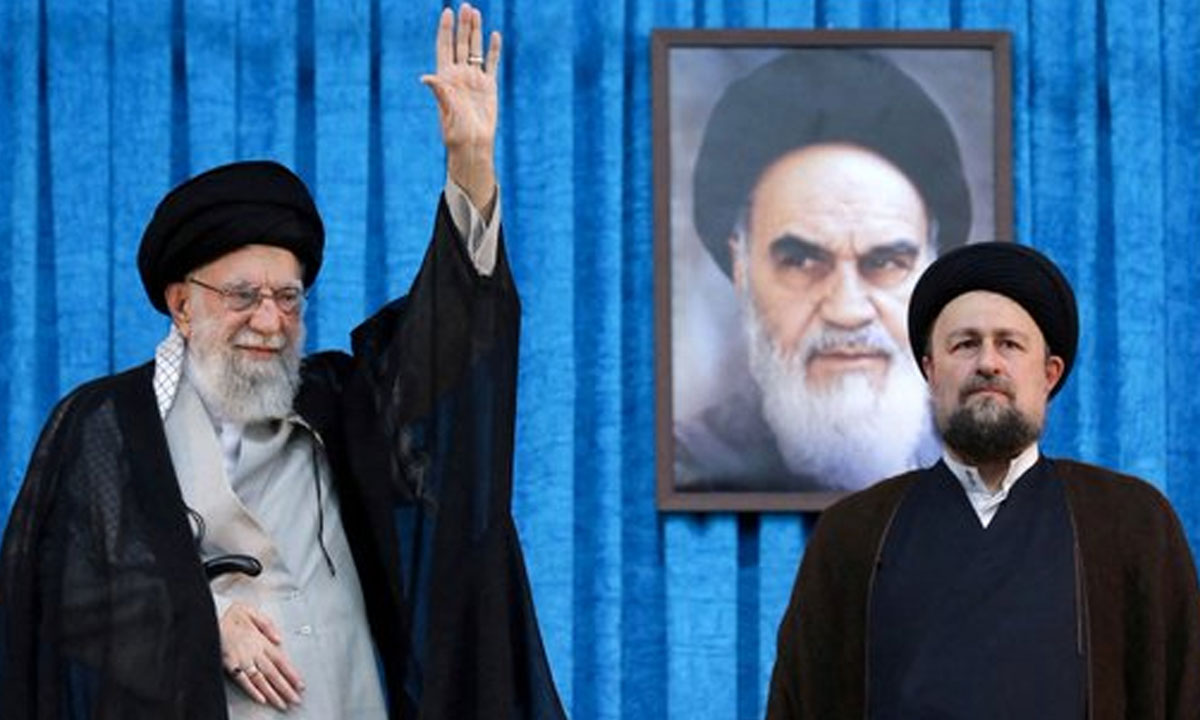
After Khamenei’s death, Hassan Khomeini emerges as key name in Iran leadership debate, as discussions intensify in Tehran over who could become the next Supreme Leader. Following the reported martyrdom of Iran’s Supreme Leader Ayatollah Ali Khamenei, political and religious circles are closely watching possible successors.
Table of Contents
Among the prominent names being discussed is Hassan Khomeini, the grandson of Iran’s revolutionary founder Ayatollah Ruhollah Khomeini.
Who Is Hassan Khomeini?
Hassan Khomeini is considered a loyal figure within the Islamic Republic system but is often described as relatively reform-minded.
He is the grandson of Ruhollah Khomeini, the founder of the Islamic Republic of Iran.
Key Points About Hassan Khomeini:
- Seen as loyal to the Islamic Republic
- Supports certain reforms within the system
- Has criticized authorities on selected issues
- Speaks Arabic and English
- Shows interest in both Islamic and Western philosophy
His balanced approach has placed him at the center of Iran’s leadership discussion.
Past Political Positions and Criticism
Hassan Khomeini has previously expressed reformist views. In 2021, he criticized the Guardian Council after reformist candidates were barred from participating in presidential elections.
In 2022, after the death of Mahsa Amini in police custody triggered nationwide protests, Hassan Khomeini called for transparency and accountability. At the same time, he criticized violent actions during unrest and supported national stability.
He has also spoken openly about:
- Economic hardships caused by international sanctions
- The need for responsible governance
- Protecting Islamic values while addressing modern challenges
Leadership Speculation After Khamenei
Following the death of Ali Khamenei, Iran’s constitutional body responsible for selecting the Supreme Leader is expected to play a decisive role.
Hassan Khomeini had previously attempted to contest elections for the Assembly of Experts, the body responsible for choosing the Supreme Leader, but was disqualified by the Guardian Council. Officially, the reason cited was his clerical rank being “Hojatoleslam,” which is below the rank of Ayatollah.
Observers believe that political factors may have also influenced that decision.
Views on Israel and Regional Issues
Hassan Khomeini has maintained a strong stance against Israel, describing Zionism as a serious threat. During previous regional tensions between Iran and Israel, he publicly supported Iran’s leadership and praised the country’s missile capabilities.
He has repeatedly emphasized that the Muslim world must remain united and strong in confronting external challenges.
Reformist Yet Loyal Figure
Despite his reformist tone on social issues such as women’s rights, music, and social freedoms, Hassan Khomeini remains committed to the Islamic Republic framework.
His condolence message after Khamenei’s death described the late leader as a hero of Iran and the Muslim world, urging the nation to continue on the path laid down by his grandfather.
Iran Leadership Debate Intensifies
As Iran enters a sensitive political phase, after Khamenei’s death, Hassan Khomeini emerges as key name in Iran leadership debate. His background, religious lineage, and relatively moderate image have made him a central figure in discussions about the country’s future leadership.
Whether he will officially enter the race or be considered by the Assembly of Experts remains to be seen. For now, his name continues to dominate conversations about Iran’s next Supreme Leader.
Munsif News 24×7 will continue to monitor developments in Tehran as the Iran leadership debate unfolds after Khamenei’s death.
Follow MunsifNews24x7 for latest updates.


