
IndiGo receives tax penalty of Rs 58.75 crore amid ongoing crises
The action coincides with the airline's worsening problem, which has resulted in hundreds of flight cancellations this month as a result of inadequate planning and a failure to adhere to more stringent safety regulations.

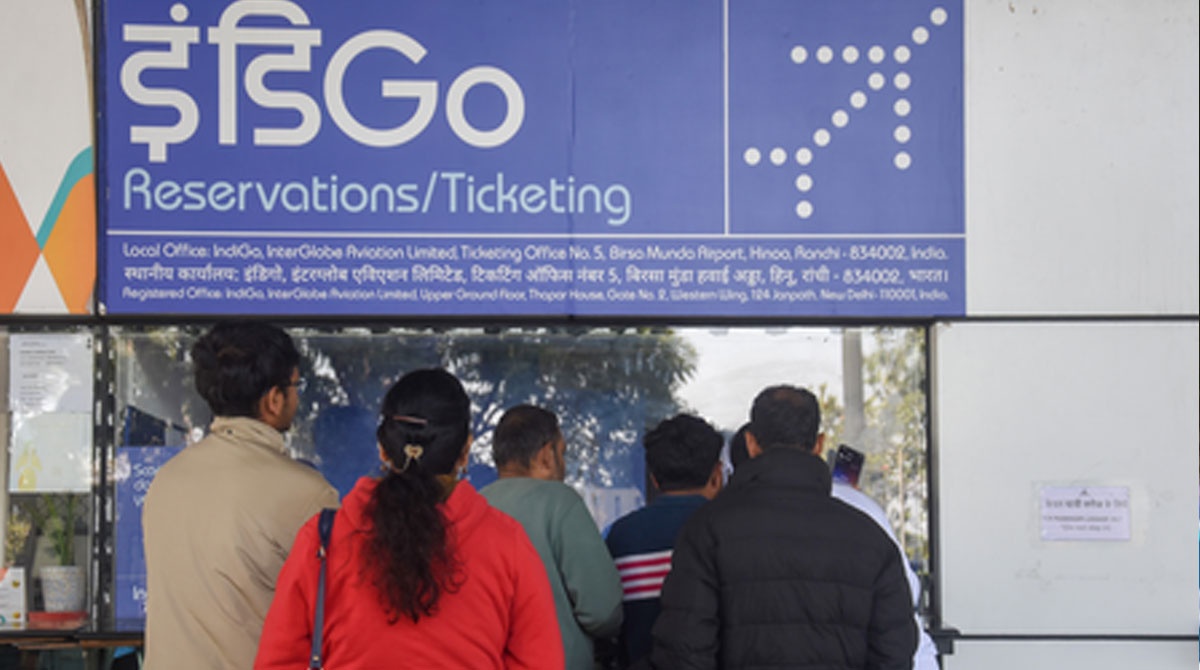
New Delhi: Low-cost airline IndiGo, under intense government scrutiny after days of disruption that disrupted domestic air travel, has received a tax penalty notice of Rs 58.75 crore for the 2020-21 financial year by the additional commissioner of CGST, Delhi South Commissionerate, the airline said on Friday.
In an exchange filing, Interglobe Aviation Ltd, the parent firm of IndiGo, said it received the tax penalty order on Thursday (December 11), which comprises GST demand along with a penalty.
Meanwhile, the Directorate General of Civil Aviation (DGCA) has dismissed four flight inspectors who were responsible for monitoring the safety and operational standards of IndiGo.
Follow for more details: munsifdaily.com
The action coincides with the airline’s worsening problem, which has resulted in hundreds of flight cancellations this month as a result of inadequate planning and a failure to adhere to more stringent safety regulations.
Tens of thousands of travellers nationwide are now stuck due to the cancellations.
Sources claim that the DGCA took action against the inspectors after discovering carelessness in their monitoring and inspection responsibilities.
In order to closely monitor the airline’s activities, the regulator has now stationed two special oversight teams at IndiGo’s Gurugram office.
Also Read: Vinesh Phogat reverses retirement, says ‘stepping back toward LA28’
The DGCA will receive a daily report from these teams by 6 p.m. One team is keeping an eye on IndiGo’s fleet size, pilot availability, crew utilisation hours, training schedules, split-duty patterns, unscheduled leave, standby personnel, and the quantity of flights impacted by a crew shortage.
In order to fully comprehend the extent of the operational disturbance, it is also examining the airline’s typical stage length and network.
The second team is concentrating on how the crisis affects travellers. This entails verifying the status of reimbursements from the airline and travel agencies, reimbursement provided in accordance with Civil Aviation Requirements (CAR), punctuality, luggage return, and the general cancellation status.


