
Is he above law: Bangladesh Awami League flags ‘repeated privileges’ given to BNP’s Tarique Rahman
The BNP leader is also reportedly set to complete the formalities to become a registered voter of the country on Saturday. "Once a convicted accused, Tarique Rahman is now receiving one privilege after another, with repeated violations of the law raising deep questions in the public mind.

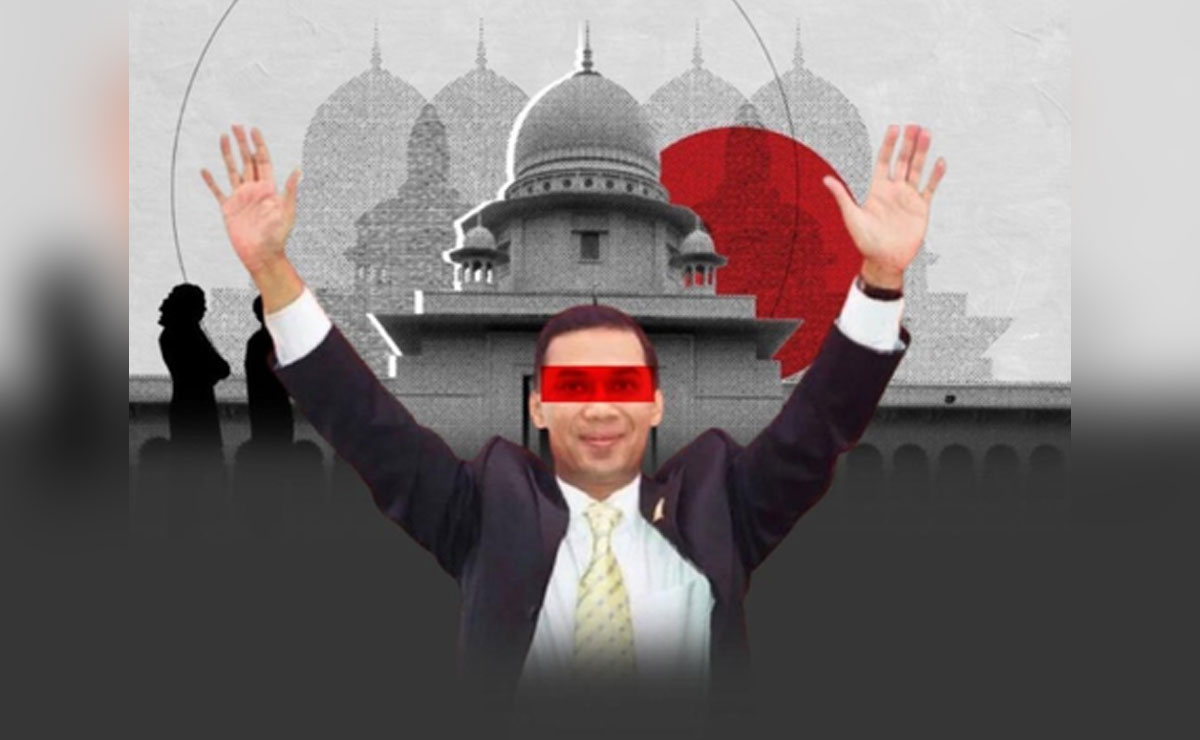
Dhaka: As Bangladesh National Party’s (BNP) acting chairman Tarique Rahman returned to the conflict-ridden country after 17 years of self-imposed exile, the Awami League on Saturday voiced concerns over what it described as “repeated privileges” being extended to him under Muhammad Yunus-led interim government, calling them “violations of the law”. Rahman’s return to Bangladesh on Thursday comes at a time when the Election Commission on December 11 announced that the country’s 13th national parliamentary election, along with a referendum on the July Charter, will be held on February 12 next year.
The BNP leader is also reportedly set to complete the formalities to become a registered voter of the country on Saturday. “Once a convicted accused, Tarique Rahman is now receiving one privilege after another, with repeated violations of the law raising deep questions in the public mind. The law that is strict and uncompromising for ordinary citizens — does it become relaxed in the case of Tarique Rahman? Or is he, in effect, above the law?” the Awami League questioned. “From the very moment of entering the country, these issues have been noticeable.
Also Read:Bus tragedy: K’taka govt to seek stricter guidelines on night-time movement of vehicles
Not paying tolls at designated toll facilities — an offence that is unquestionably punishable for ordinary people — how does this go ignored?” it added. The party highlighted that under Bangladeshi law, new voter registration is legally prohibited once the election schedule is announced, questioning Rahman’s registration while the schedule was still in effect. Moreover, the party asked how the process was carried out on a Saturday, a weekly government holiday, how the law was followed and under whose instructions it was done.
According to the Awami League, these incidents are not isolated but instead form a continuous pattern, prompting questions about whether separate rules are being applied for Rahman. If so, the party asked, where does the constitutionally proclaimed principle that “the law is equal for all” stand? “Crime is never small or large — crime is crime. If minor offences are legitimised through the force of power, it is inevitable that major crimes will be encouraged.
This special privilege to break the law does not only call one individual into question; it puts the entire state system under scrutiny,” the party noted. Stressing that the public is questioning whether the law in Bangladesh is truly equal for everyone, or if a separate law is being written for Rahman, the Awami League warned that in the absence of clear answers, public trust in the rule of law would sink into an even deeper crisis.


