
Kashmir Authorities Begin Profiling Mosques, Madrassas After Busting ‘White Collar’ Terror Module
Kashmir authorities begin profiling mosques and madrassas after busting a white collar terror module, focusing on funding, administration, and preventing radicalisation.

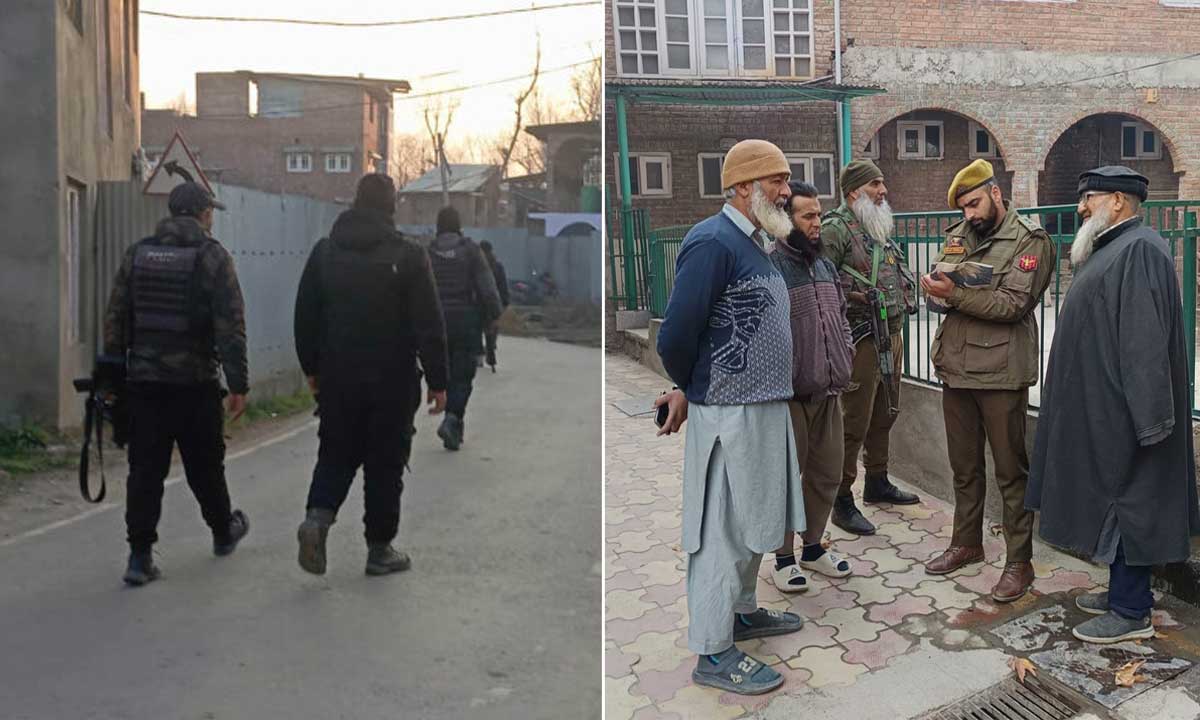
Srinagar: Authorities in Kashmir have started a detailed process of profiling mosques, madrassas, and people managing these religious institutions following the busting of a major ‘white collar’ terror module last year. The move aims to strengthen oversight, improve record-keeping, and prevent the misuse of religious platforms for unlawful activities.
Table of Contents
Data Collection Drive Across Kashmir
Officials confirmed that a proforma has been issued to village numberdars (village-level revenue staff) to collect detailed information about:
- Mosques and madrassas
- Imams (prayer leaders)
- Madrassa teachers
- Management committee members
The exercise is being carried out across several areas of the Valley.
Focus on Funding and Administration
A key focus of the profiling drive is the financial functioning of mosques and madrassas. Authorities are seeking information on:
- Sources of funds used for construction
- Donations and financial contributions
- Daily operational expenses
The aim is to ensure transparency and accountability in the management of religious institutions.
Personal and Identification Details Sought
As part of the enumeration process, imams, teachers, and committee members have been asked to provide several personal and identification details, including:
- Aadhaar card and bank account information
- Property ownership details
- Passport, ration card, driving licence
- SIM card details and mobile phone IMEI numbers
- Social media handles
Officials stated that the data will be used to create a centralised database of religious institutions and their functionaries.
Background: ‘White Collar’ Terror Module Case
According to senior officials, the profiling initiative follows revelations made during the investigation into a terror module busted in November last year by Jammu and Kashmir Police, with assistance from police forces in other states.
The probe revealed that some suspects were radicalised through madrassas or online platforms, prompting closer scrutiny of certain networks. Authorities also noted that the proforma seeks information about the sect followed by the mosque or madrassa, such as Barelvi, Deobandi, Hanafi, or Ahle Hadeeth.
Concerns Over Radicalisation
Officials indicated that the spread of puritanical interpretations of Islam, which differ from the traditionally followed Sufi practices in Kashmir, is being viewed as one of the factors contributing to youth radicalisation. As part of the process, individuals have also been asked to disclose any past involvement in terror-related or subversive activities, including pending cases or convictions.
Nationwide Investigation Uncovered Large Network
The earlier investigation led to the exposure of an inter-state terror network involving groups such as Jaish-e-Mohammed and Ansar Ghazwat-ul-Hind. Multiple arrests were made, and large quantities of explosive material were seized during operations spanning Kashmir, Haryana, Uttar Pradesh, and Delhi.
Aim Is Prevention and Monitoring
Authorities have stressed that the current profiling exercise is intended to prevent misuse of religious institutions, improve monitoring mechanisms, and ensure that mosques and madrassas function strictly within legal and constitutional limits.
The process is expected to continue in the coming weeks as officials work toward building a comprehensive and verified database across the Valley.
Follow MunsifNews24x7 for latest updates.


