
Khamenei Dangerous Escalation: Op Shield of Judah: Israel struck areas near Khamenei’s offices in Tehran, says report Conflict B/W 2 Nation
Israel launched “preventive” strikes against Iran on Saturday, targeting multiple sites in Tehran, including areas near the offices of Supreme Leader Ayatollah Ali Khamenei, according to media reports.

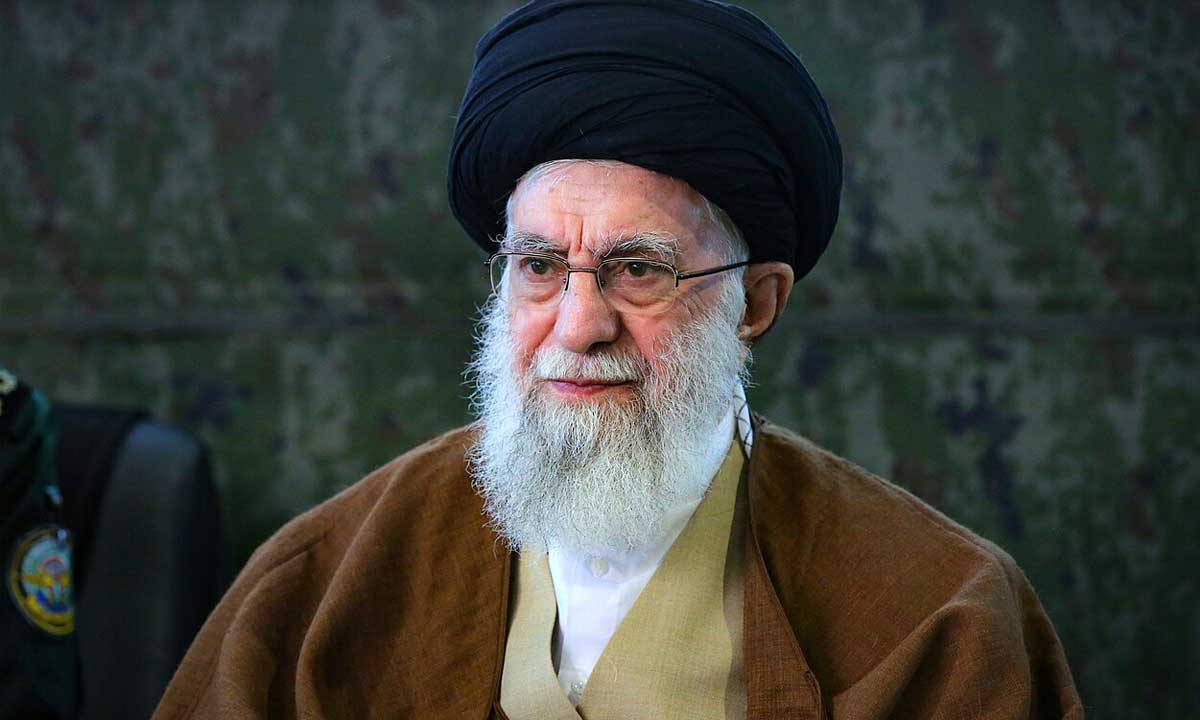
Tehran: Israel launched “preventive” strikes against Iran on Saturday, targeting multiple sites in Tehran, including areas near the offices of Supreme Leader Ayatollah Ali Khamenei, according to media reports.
The Israeli Defence Ministry said the operation ‘Shield of Judah’ was carried out “to remove threats to Israel.”
The strikes mark a serious and dangerous escalation in tensions between the two regional adversaries, raising fears of a broader confrontation that could destabilise the Middle East. Security analysts believe the operation signals a new phase in the long-standing shadow conflict between the two nations.
Table of Contents
Operation ‘Shield of Judah’ and Strategic Targets
Air raid sirens were sounded across Israel amid fears of retaliatory missile attacks from Iran. Authorities urged citizens to remain alert as the military prepared for the possibility of incoming strikes.
According to The Times of Israel, an unnamed security source said that the operation had been jointly planned for months. The source said Israel is going “all out” in the campaign and that the United States is “on the same page.” The report further stated that the “initial phase” of the joint attack is expected to last four days.
The television report added that the timing of the first wave of strikes, carried out during morning hours, was intended to catch Iran off guard, as Tehran would not have anticipated a daytime assault.
There was no immediate confirmation from Iranian authorities regarding the extent of the damage near Ayatollah Khamenei’s offices. The development marks a sharp escalation in already heightened tensions between the two regional rivals.
Heightened Military Preparedness in Israel
The Israeli military has reportedly heightened its state of readiness across multiple fronts. Civil defence protocols were activated in several cities, with emergency services placed on standby. Officials warned residents to follow safety advisories strictly and remain close to protected spaces.
Security experts suggest that targeting areas near the offices of Ayatollah Khamenei carries symbolic and strategic significance. While there has been no official confirmation of direct damage to the Supreme Leader’s compound, the proximity of the strikes underscores the intensity of the operation.
Diplomatic Strains and US Position
The strikes come against the backdrop of strained diplomatic efforts between Washington and Tehran.
US President Donald Trump recently expressed dissatisfaction with the progress of negotiations with Iran, stating he was “not happy” with recent talks. He reiterated that Iran cannot be allowed to possess nuclear weapons or maintain uranium enrichment capabilities.
A day earlier, Trump had signaled a tougher stance, saying that “sometimes you have to” use force.
Observers note that the reported coordination between Israel and the United States reflects deep alignment on security concerns regarding Iran’s nuclear ambitions. However, the aggressive nature of the strikes risks triggering retaliation that could widen the conflict beyond bilateral boundaries.
Regional and Global Reactions
The situation remains fluid, with regional and global observers closely monitoring for potential retaliation and further escalation.
Countries in the Gulf region have reportedly increased surveillance and defensive readiness amid concerns that any Iranian response could spill over into neighbouring territories. International markets are also reacting nervously, particularly in the energy sector, given the Middle East’s strategic importance to global oil supplies.
Diplomatic channels remain active, with calls from several world leaders urging restraint to prevent a full-scale war. Analysts warn that any sustained exchange of missile or air strikes could lead to severe humanitarian and economic consequences.
As tensions continue to rise, the coming days are expected to be critical in determining whether the confrontation remains limited or spirals into a broader and more destructive regional conflict.
Follow MunsifNews24x7 for latest updates.


