
Over two million Afghans forcibly deported from Iran and Pakistan: UN
As many as 2.17 million Afghans have been forcibly deported from Iran and Pakistan, with children comprising more than 60 per cent of returnees, according to the United Nations.

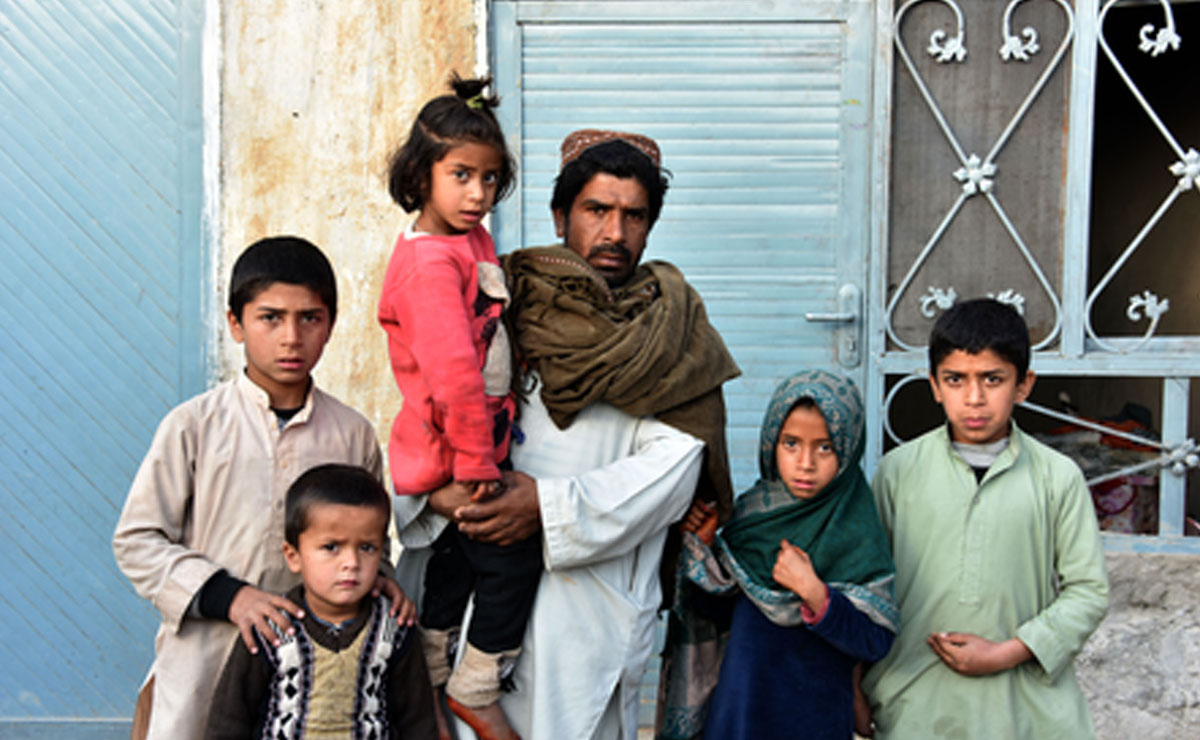
Kabul: As many as 2.17 million Afghans have been forcibly deported from Iran and Pakistan, with children comprising more than 60 per cent of returnees, according to the United Nations. According to the United Nations Development Programme (UNDP), Afghanistan has been facing one of the world’s largest displacement and returnee crises as Iran and Pakistan have been forcibly deporting Afghans.
By October 9, approximately 2.17 million Afghan nationals have been deported from Pakistan and Iran, with more than 60 per cent of them being children, placing a burden on child protection systems, education, and healthcare, Afghanistan’s news agency Khaama Press reported it as saying. The UNDP emphasised that the young and rural population in Afghanistan is facing overlapping crises.
Also Read: Subhash Ghai calls for a change as he highlights how greed is hindering the World’s growth
Economic restrictions, poverty, gender inequality and deportation of refugees from neighbouring nations have increased Afghanistan’s vulnerability and risk of long term stability. It warned that the deportation of returnees has placed pressure on fragile infrastructure and essential services of Afghanistan, which include housing, water, sanitation, healthcare, and food security, sectors already weakened by years of conflict and economic collapse.
The UNDP has urged the international community to support returnees, rebuild damaged infrastructure, and strengthen livelihoods, warning that failure to act risks deepening poverty, instability, and humanitarian suffering in Afghanistan. Earlier in November, several Afghan refugees in Pakistan said that they had been overwhelmed by continuous pressure from the country’s police, which, apart from conducting searches, was arresting people and exploiting their vulnerable situation as a source of income.
A report in an Afghan newspaper, ‘8AM Media’, also known as Hasht-e-Subh Daily, highlighted that Afghan refugees in Pakistan do not have basic human rights and live in constant fear and anxiety. Human rights groups and refugee-support groups have remained silent regarding the uncertainty and the government’s failure to fulfil its commitment to human rights and the protection of refugees.
Over the past few months, as tensions between the Taliban and Pakistan continue, Islamabad has increased its pressure on Afghan refugees, with the Pakistani forces conducting widespread harassment of migrants each day in various areas, including Islamabad. Apart from official operations involving the arrest of Afghan refugees without visas, people in plain clothes extort money from migrants in residential areas.
Afghan people have said that they live in inhumane conditions filled with fear and anxiety, and their refugee rights are not respected. “The situation is extremely distressing. I wish the official operations team would simply arrest and take people away. This method is not right; the police know no one will report them, so they come individually for searches. Several men in plain clothes lie in wait in the neighbourhood, grab someone, and take them away.
It is unclear whether they are police, thieves, or cooperating with the police. Now, even if an ordinary person commits theft or kidnapping under the name of the police, people assume he is a police officer,” the report quoted an Afghan national as saying. “These individuals detain migrants in their personal vehicles; some are released on the spot after paying money, while others are taken to police posts. They are probably police themselves or collaborating with the police.
The level of theft and robbery is extremely high, and no institution hears the people’s voices. The situation is deeply painful; a country that has no defender and whose citizens have no protection or credibility anywhere in the world,” the refugee added.


