
Pakistan has not targeted BCCI, it has taken the issue to ICC: Rashid Latif
Former captain Rashif Latif, while reflecting on Pakistan decison to boycott the T20 World Cup match against India, said that they could face sanctions, and they must be aware of that, adding that this boycott could also impact their participation in future ICC events, including the Women’s T20 World Cup in England, the Asia Cup, and other major tournaments.

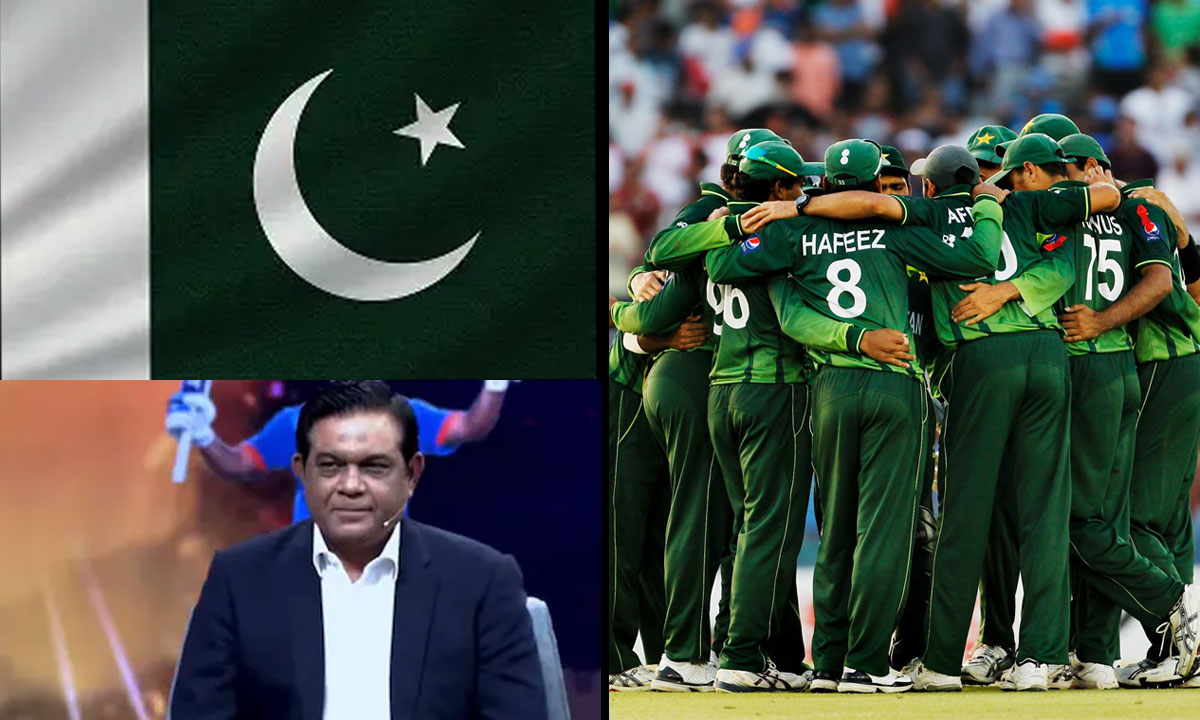
New Delhi: Former captain Rashif Latif, while reflecting on Pakistan decison to boycott the T20 World Cup match against India, said that they could face sanctions, and they must be aware of that, adding that this boycott could also impact their participation in future ICC events, including the Women’s T20 World Cup in England, the Asia Cup, and other major tournaments.
The Pakistan government has ordered the Pakistan Cricket Board to not play India in the upcoming ICC T20 World Cup, granted the team conditional approval to take part in the tournament. This decision comes in protest against the ICC’s refusal to move Bangladesh’s World Cup matches out of India, a demand Pakistan strongly backed.
“This decision has been taken keeping the political context in mind. Earlier, India had adopted such measures, introducing the neutral venue and the hybrid model. Considering the current political dynamics in South Asia, involving Pakistan and Bangladesh, this move is closely linked to the broader regional situation. Bangladesh is heading into elections, and elections are also due in West Bengal, which adds another layer to the context,” Latif told.
“If we look at developments from last year, including incidents along the borders and gestures such as the refusal to shake hands during the Asia Cup, all these factors seem to have influenced Pakistan’s decision. The Pakistan government appears to have acted with the concern that sanctions could be imposed on the country.
“This boycott will not be limited to just this World Cup. There is also the Women’s T20 World Cup in England and then the Asia Cup. In the World Cup, a single India–Pakistan match is valued at around 40–50 million dollars, so its absence will have a significant financial impact,” he added.
Latif further said Pakistan staying away from ICC events like the 2027 World Cup would hurt the overall value and revenue of these tournaments, with the impact felt across associate member nations that rely on ICC and ACC funding.
“Looking ahead, if Pakistan does not play in the 2027 World Cup and other ICC events, it will affect the overall value of these tournaments. The ICC funds associate member nations, and the ACC also provides financial support. If overall revenue declines, the impact will be felt across the board,” the former Pakistan captain said.
He also suggested Pakistan may have already factored in the potential losses and prepared for possible sanctions, adding that the ICC itself would face significant financial damage if negotiations do not take place.
“Perhaps Pakistan has already assessed its potential losses, and the government has worked out some way to manage the situation if sanctions are imposed. Still, the impact is bound to be significant. It is possible that the ICC will be forced to come to the negotiation table, because if talks do not happen, the ICC itself stands to suffer direct losses,” said Latif.
Latif stressed that Pakistan has taken the issue directly to the ICC, indicating a calculated and well-thought-out approach rather than a rushed decision. He said, “Pakistan has not targeted the BCCI; instead, it has taken the issue straight to the ICC. Whatever decision the ICC eventually takes, Pakistan would have already given it considerable thought in advance. Pakistan may have arrived late, but it has arrived with a more calculated and considered approach.”
Latif further pointed to a double standard by the ICC, noting that while India’s request for a neutral venue led to the hybrid model, Bangladesh’s security concerns were quickly rejected. He said such matters should be discussed more transparently, especially when politics enters the picture.
“Last year, India said it would play at a neutral venue, which led to the hybrid model being introduced. Bangladesh had raised security concerns and filed a complaint with the ICC, but within 24 hours the response came that the request had been rejected. To me, that reflected a clear double standard on the ICC’s part. The matter should have been thought through and discussed properly. When politics gets involved, situations inevitably change,” said Latif.
He added that Pakistan later backed Bangladesh’s stance, and warned that countries like Australia, South Africa, and England, who have a strong stake in cricket involving India, could support Pakistan. “Bangladesh was first to refuse to play the T20 World Cup with India, and Pakistan later aligned with that stance. After Pakistan, countries like Australia and South Africa may also became part of this equation; they should not be underestimated.
“They have a significant stake in cricket involving India…. If a meeting takes place, Australia, South Africa, and England may all argue that Pakistan and Bangladesh must remain integral to the ICC structure. I believe something like this could happen, because if it does not, international cricket stands to suffer a major setback,” Latif continued.
Pakistan is clubbed in Group A along with the USA, Namibia and the Netherlands, besides arch-rivals India. They are scheduled to play the World Cup opener, against the Netherlands, in Colombo on February 7.
Speaking about whether Pakistan should also boycott if they are to face India in knockout matches of T20 World Cup or in the final, Latif said, “The ICC will hold a meeting on this issue and negotiations will take place around it. If there are no negotiations over the knockout matches, the World Cup will be ruined.”/
Follow MunsifNews24x7 for latest updates.


