
Rights group flags 522 communal violence incidents across Bangladesh in 2025
Expressing concerns over the attack on minorities, Nath said members of minority communities are eager to exercise their civic rights through voting, but their persistent fears regarding life, livelihood, property, and dignity remain unresolved.

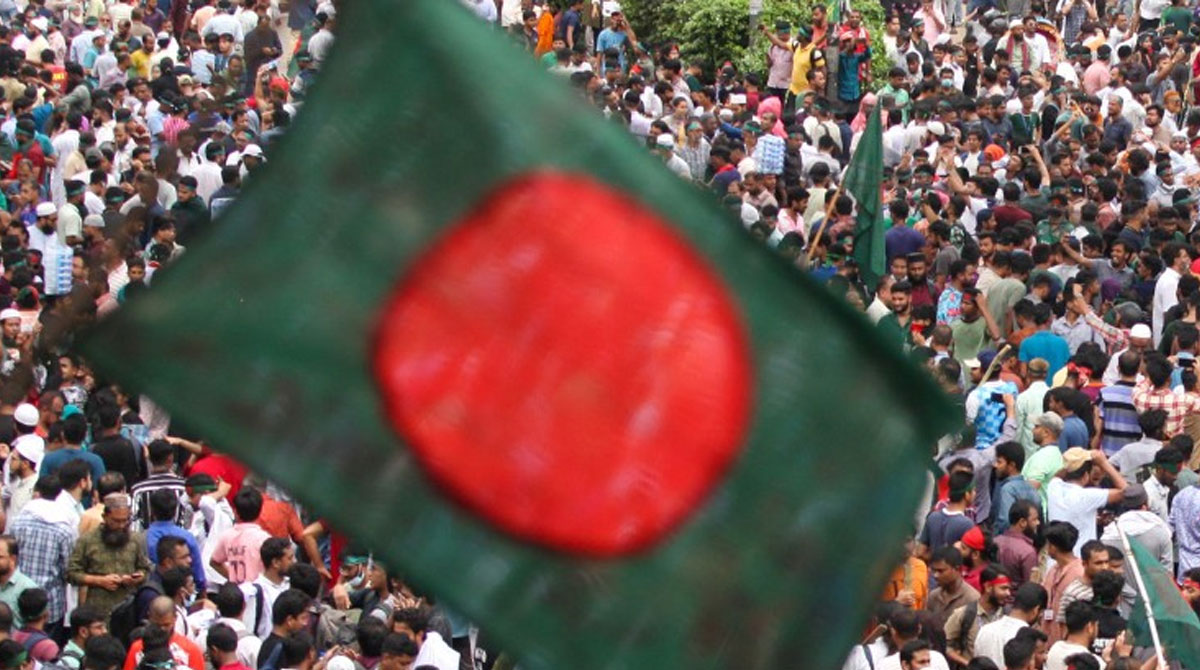
Dhaka: The Bangladesh Hindu Buddhist Christian Unity Council, a human rights organisation against religious discrimination, claimed that at least 522 communal violence incidents occurred across Bangladesh in 2025, in stark contrast to the Muhammad Yunus-led interim government’s recent figures, which said only 71 incidents involved communal elements, local media reported.
Addressing a press conference in Dhaka on Thursday, the minority rights organisation’s Acting General Secretary Monindra Kumar Nath presented the Council’s annual review, noting that the figures were based on reports published in national newspapers and other media outlets between January and December 2025.
As per the findings, the 522 incidents of communal violence across Bangladesh resulted in 66 deaths, 28 cases of violence against women—including rape and gang rape—and 95 attacks on places of worship, as well as 102 attacks on homes and business establishments. Additionally, it documented 38 cases of abduction, extortion, and torture; 47 incidents of death threats and physical assaults; 36 arrests and torture on allegations of blasphemy; and 66 cases of forcible occupation of land, homes, and businesses, Bangladesh’s leading newspaper, Dhaka Tribune, reported.
As Bangladesh prepares for the February 12 election, the Unity Council warned that communal violence has persisted during the election period, recording 42 incidents between January 1 and January 27. These included 11 murders, one rape, nine attacks on temples and churches, and 21 cases of looting, arson and land grabbing.
Expressing concerns over the attack on minorities, Nath said members of minority communities are eager to exercise their civic rights through voting, but their persistent fears regarding life, livelihood, property, and dignity remain unresolved.
Follow for more details: munsifdaily.com
“The responsibility for any discouragement of minority voters must be borne by the government, the administration, the Election Commission, and political parties,” he added.
The Unity Council condemned a January 19 social media post by Yunus, which stated that investigations found 645 incidents involving minorities in 2025 but categorised only 71 as communal, while terming the remaining 574 as non-communal.
“The official definition of communal violence appears to exclude killings, rapes, arson attacks on homes, land grabbing and targeted assaults unless they occur inside temple premises,” Dhaka Tribune quoted Nath as saying, as he described the interim government’s position as “absurd and misleading”.
Condemning what it described as the harassment and criminalisation of minority leaders, the organisation cited the imprisonment of prominent Hindu leader Chinmoy Krishna Das, and the filing of several cases against senior Unity Council leaders, forcing some into hiding.
Bangladesh has witnessed a degrading law and order situation and escalating violence against minorities under the Muhammad Yunus-led interim government, sparking outrage among people and several human rights organisations across the globe.


