
West Asia conflict: Pakistan’s role limited despite ‘drama diplomacy’ and theatrics
Pakistan’s "drama diplomacy", led by Army Chief Asim Munir, is being viewed as a desperate attempt at "face-saving" outreach, following the collapse of the first round of talks between the United States and Iran.

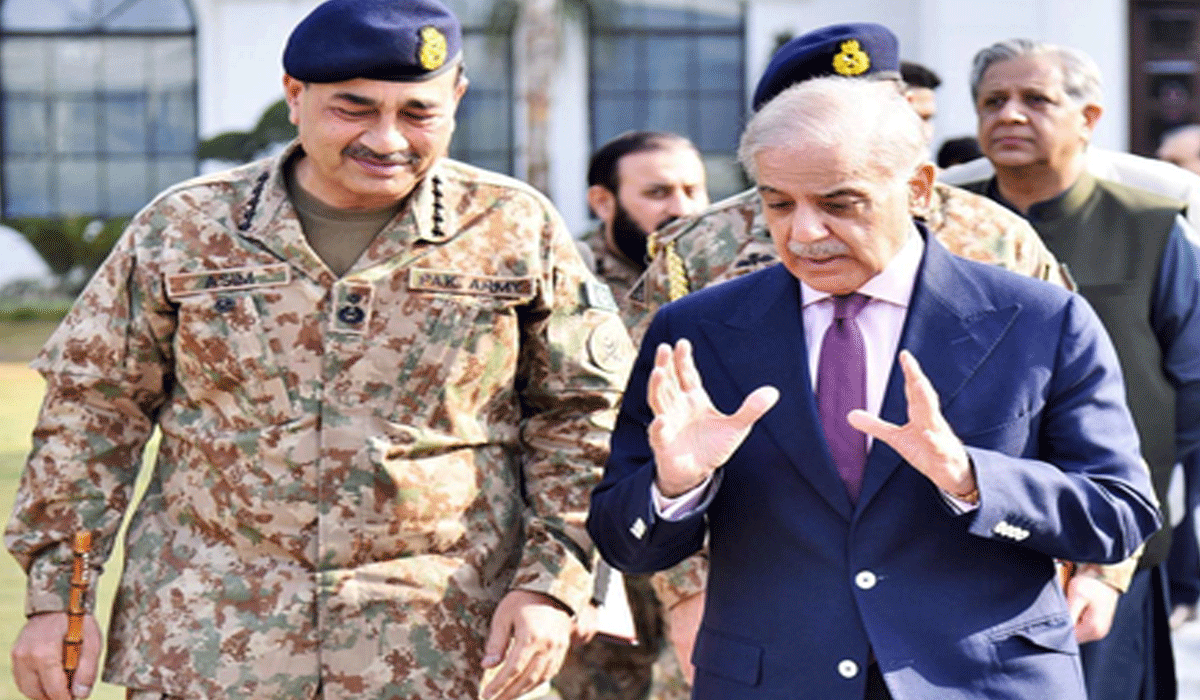
Islamabad: Pakistan’s “drama diplomacy”, led by Army Chief Asim Munir, is being viewed as a desperate attempt at “face-saving” outreach, following the collapse of the first round of talks between the United States and Iran.
According to a report in India Narrative, amid the shifting dynamics in the Gulf, Pakistan appears to be engaging in theatrics by pushing for a second round of talks, which is already on shaky ground and carries negligible diplomatic weight to deliver meaningful outcomes.
“After the collapse of the first round of talks, the second round is on the horizon and is almost on the brink of collapse, as Iran is unwilling to negotiate further with the US. Amid the tense drama of negotiations, Pakistan is staging its own desperate theatrics to project itself as a key player in Gulf conflict management and to reassert its dwindling influence in the Gulf. However, the broader strategic picture suggests that maximalist-driven interests and coercion are destabilising any effort towards peace in the Gulf,” the report detailed.
“The conflict exit process driven by diplomacy is a delicate art that requires a balance of power and flexibility, neither of which either side currently enjoys. As a result, the exit is gradually being delayed and is becoming a conundrum drama rather than a real episode of diplomacy,” it added.
According to the report, the United States appears to be revisiting its earlier negotiation script with other countries, this time relying on coercive tactics and a show of force in the Strait of Hormuz in an effort to push Iran back into talks.
It stated that, however, unlike past precedents, there is no real balance of power or flexibility, as Iran retains asymmetrical warfare capability that reinforces its survival and provides Tehran leverage to resist coercive pressure by the US, unlike North Vietnam.
“The negotiating terms remain maximalist, with Iranians seeking more concessions rather than a small bargain. Similarly, the US is ready to offer limited concessions but, in return, seeks maximalist demands, ranging from a long-term halt to complete abandonment of the nuclear or missile programme. In other words, flexibility is absent because coercive and preventive diplomacy is not working,” the report noted.
“This time around, Iran will not be walking away from the table with consolation prizes. They are seeking an exit on their own terms, which is effective and provides long-term strategic and security assurances, which makes the US’s prospects of seeking a deal a more dangerous gamble,” it added.
Emphasising the stakes involved, the report stressed that face-saving had become crucial for Asim Munir, as a complete breakdown in talks could further damage Pakistan’s credibility and weaken its efforts to strengthen ties in the Gulf.
The report further said, “While Pakistan’s role is limited to that of a messenger, even this minor diplomatic influence is at stake in the Gulf; hence, the fear is real for Asim Munir.”


