
Optimistic Outlook: AI will change jobs, not end them at last 20 years to 30 years: Amazon CEO Andy Jassy
Fears that artificial intelligence could lead to massive job losses may be exaggerated, according to Amazon CEO Andy Jassy.

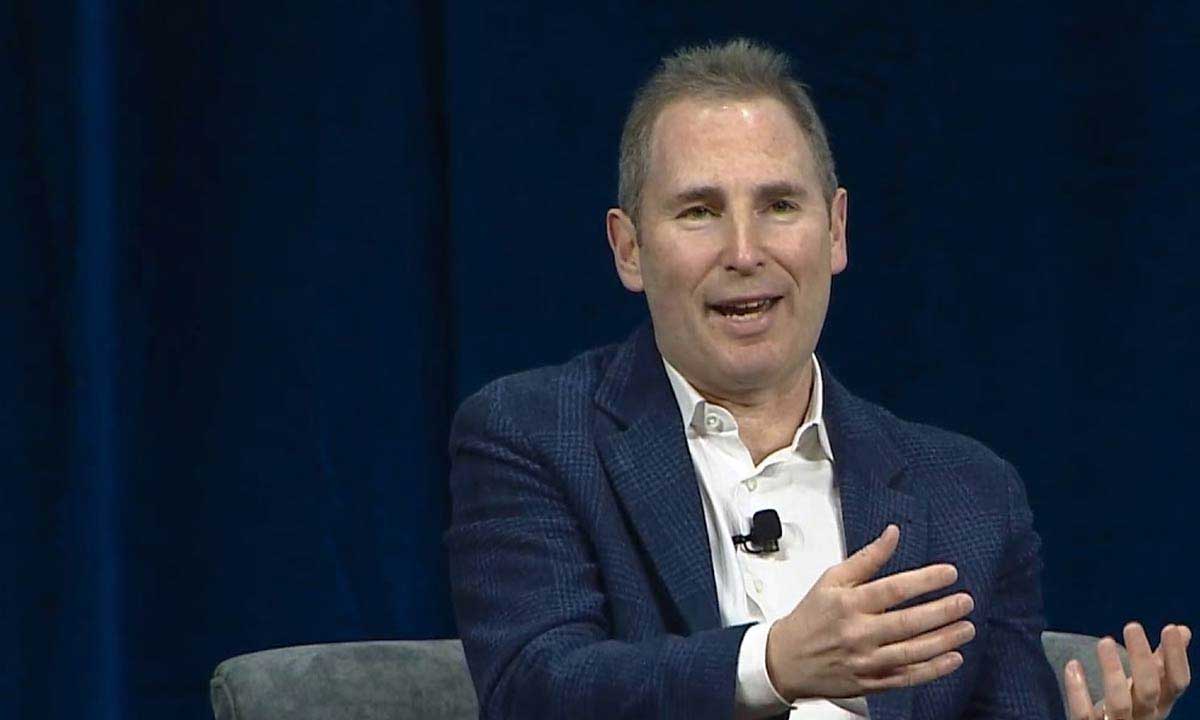
New Delhi: Fears that artificial intelligence could lead to massive job losses may be exaggerated, according to Amazon CEO Andy Jassy.
The reassuring message that AI will change jobs, not end them has gained traction as industries worldwide accelerate digital transformation. Concerns over automation replacing human workers have intensified in recent years, but leading business executives and financial institutions are urging a more balanced and constructive perspective.
Speaking in a media interview, Jassy said AI is more likely to reshape the nature of work rather than completely eliminate employment opportunities. His comments come at a time when organisations are rapidly integrating artificial intelligence tools across operations, customer service, logistics, and data analytics.
Jassy acknowledged that many roles which have relied heavily on human labour for the past two to three decades may require fewer people in the future. However, he stressed that this does not mean jobs will disappear altogether.
AI will change jobs, not end them, says Amazon CEO Andy Jassy
Instead, new types of roles will emerge, just as they have during every major technological shift in history. The core argument that AI will change jobs, not end them reflects a historical pattern observed during previous industrial revolutions.
“I do believe that a lot of the jobs that we’ve thrown human beings at the last 20 or 30 years, you won’t need as many human beings doing those same jobs. But I also think there will be other jobs created. And that has always happened in every technology shift,” he said.
His statement reinforces the broader belief that artificial intelligence will enhance productivity, automate repetitive tasks, and free workers to focus on more creative, strategic, and high-value responsibilities. Analysts suggest that adaptability and continuous learning will become key traits for the workforce of the future.
Morgan Stanley report backs view that AI will change jobs, not end them
Meanwhile, multiple reports also suggested that AI will reshape jobs, not destroy them. Morgan Stanley in recent report suggested that the long-term impact may be less severe than many expect.
“While some roles will be automated, most workers are unlikely to be permanently left behind. Instead, many are expected to shift into new types of jobs, including roles that do not yet exist,” the report stated.
The investment bank’s assessment adds weight to the optimistic narrative that AI will change jobs, not end them, offering reassurance to employees concerned about displacement. The report highlights that technological evolution historically leads to job transformation rather than large-scale permanent unemployment.
Historical trends show AI will change jobs, not end them
To support its argument, Morgan Stanley pointed to major technological shifts over the past 150 years, including electricity, mechanised farming, computers and the internet.
These innovations transformed industries and altered job requirements, but they did not replace human labour altogether. Instead, they redefined work structures, introduced new professions, and increased overall economic productivity.
The report by Morgan Stanley cited the rise of spreadsheets in the 1980s as a useful example.
While spreadsheets reduced the need for certain clerical tasks, they also enabled financial professionals to focus on more complex and higher-value work. Over time, this shift helped create new careers in finance rather than destroy the sector.
The broader message emerging from business leaders and financial institutions is clear: AI will change jobs, not end them. While short-term disruptions are possible and reskilling will be essential, history suggests that innovation ultimately expands economic opportunities. As artificial intelligence continues to evolve, its impact on employment is likely to centre on transformation, productivity enhancement, and the creation of entirely new categories of work rather than widespread job elimination.
Follow MunsifNews24x7 for latest updates.


