
New Lease of Life with Bone Graft from Brain-Dead Donor
In a rare medical breakthrough, doctors at KIMS Hospitals, Seethammadhara, have successfully performed a complex shoulder reconstruction using a bone graft from a brain-dead donor, offering a permanent solution to a patient suffering from recurrent shoulder dislocations.

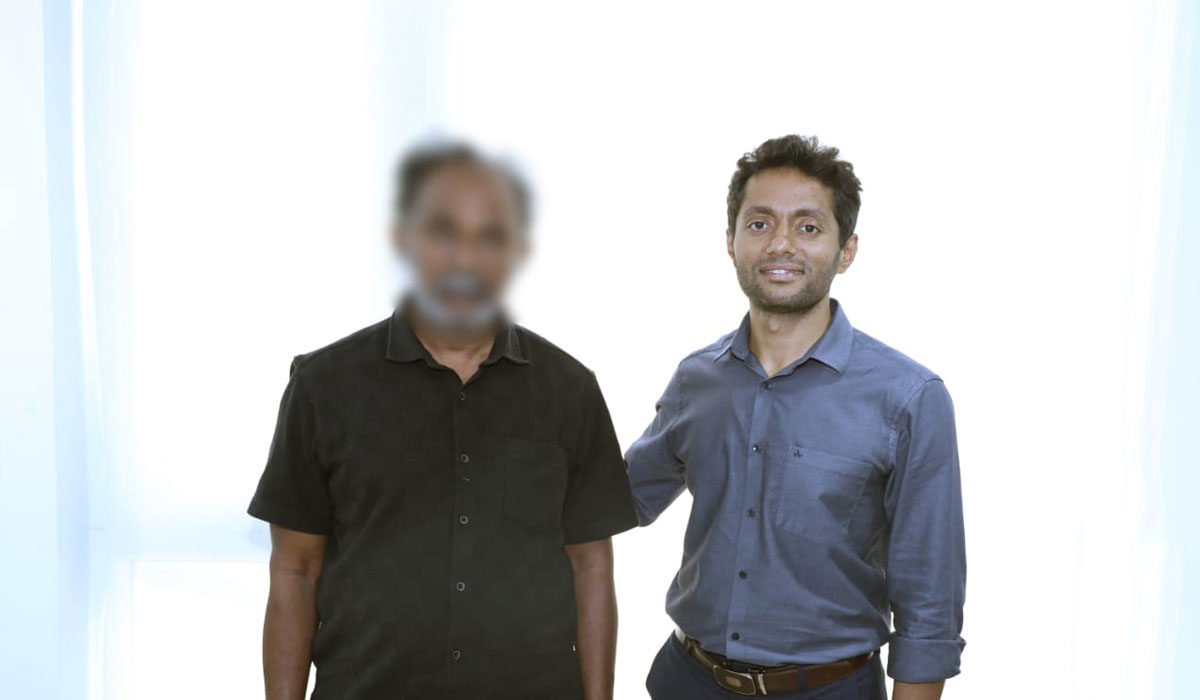
Visakhapatnam: In a rare medical breakthrough, doctors at KIMS Hospitals, Seethammadhara, have successfully performed a complex shoulder reconstruction using a bone graft from a brain-dead donor, offering a permanent solution to a patient suffering from recurrent shoulder dislocations.
The innovative procedure marks the first time in the state that an allograft bone grafting technique has been used to restore shoulder function, hospital authorities said.
The patient, a 40-year-old resident of Visakhapatnam, had been battling repeated shoulder dislocations triggered by epilepsy-related falls. Despite undergoing multiple surgeries earlier, his condition persisted, severely impacting his daily life.
According to Dr. Srinivas Gollangi, Consultant Sports Orthopaedic and Arthroscopic Surgeon specialising in shoulder surgery, detailed medical evaluation revealed extensive damage to the rotator cuff muscles along with a significant bone defect in the humeral head. He noted that conventional arthroscopic procedures were unlikely to provide a lasting solution.
Follow for more details: munsifdaily.com
The medical team first worked to stabilise the patient’s epilepsy before proceeding with the surgery. A bone graft was sourced from a bone bank in Bengaluru and transported to Visakhapatnam. Surgeons then performed an open rotator cuff repair along with allograft bone grafting, using the donor bone to reconstruct the damaged shoulder joint.
An allograft involves the transplantation of tissue from one individual to another. In this case, bone from a brain-dead donor was used to rebuild the joint, restoring both structural integrity and stability.
“The surgery addressed both the soft tissue damage and the bone defect, resulting in improved stability of the shoulder. The patient has recovered well and is now able to carry out daily activities independently,” Dr. Gollangi said.
Doctors described the procedure as a significant advancement in orthopaedic care, highlighting the potential of donor tissue in treating complex joint conditions that were previously difficult to manage.


