
“Leave the Country Now”, Trump’s Ultimatum to Venezuela’s Leader Maduro Triggers Fresh Waves Tension
US–Venezuela tensions escalate after Donald Trump reportedly issued a direct ultimatum to Nicolás Maduro, telling him to “leave the country now.” Here is the full update from Munsif News 24x7.

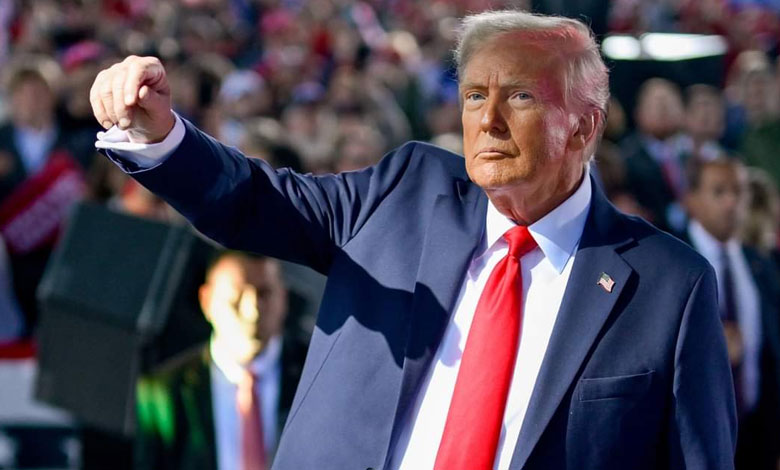
A fresh wave of tension has erupted between the United States and Venezuela after former US President Donald Trump reportedly issued a strong ultimatum to Venezuelan leader Nicolás Maduro, telling him to “leave the country now.” The reported confrontation, believed to have occurred during a direct phone exchange, marks a renewed flashpoint in the long and bitter political standoff between Washington and Caracas.
Table of Contents
The remarks have intensified global attention as both countries continue to struggle over issues of leadership legitimacy, sanctions, democracy, and human rights.
A Renewed Strain in a Longstanding Conflict
For several years, the United States has challenged Maduro’s political authority, accusing his government of corruption, rights violations and election fraud. The latest comments attributed to Trump signal a re-emergence of the hardline approach previously seen during his administration.
Also Read: Austrian Influencer Stefanie Pieper, missing for a Week, Found Dead in Suitcase
Key areas of friction include:
- US sanctions imposed since 2019
- Washington’s recognition of opposition leader Juan Guaidó
- Disputes over election transparency
- Humanitarian and economic crises in Venezuela
Despite periods of reduced tension in recent years, the new statement has reignited fears of deeper geopolitical conflict.
Caracas Responds with Defiance
Officials in Venezuela have dismissed the ultimatum, stressing that the country’s political direction will be determined only by Venezuelans. Statements from Caracas emphasized that external pressure, particularly from the US, has historically failed to influence internal governance.
Analysts note that Maduro’s government typically responds to US criticism with stronger assertions of sovereignty, and early reactions suggest a similar stance this time.
Background: Years of Diplomatic Clashes
The US–Venezuela relationship has been strained for over a decade, but tensions peaked from 2017 to 2021. Trump’s earlier policies included:
- Expanded economic sanctions
- Diplomatic isolation
- Accusations of authoritarian rule
- Support for opposition-led transitions
These developments were accompanied by protests inside Venezuela, clashes over humanitarian aid at borders, and heightened military presence in the Caribbean.
Possible Implications for the Region
Experts warn that renewed hostility may affect several key areas:
- Regional diplomacy across Latin America
- Oil market stability, as Venezuela remains a major crude supplier
- Migration trends, with millions already fleeing economic hardship
- Humanitarian programs dependent on foreign cooperation
- Security dynamics, especially in bordering nations
The situation is being closely watched by international organizations and regional partners.
Timeline of Key US–Venezuela Flashpoints
| Year | Event |
|---|---|
| 2017 | US expands sanctions on Venezuelan officials |
| 2019 | Washington recognizes Juan Guaidó; mass protests follow |
| 2020 | US launches naval counter-narcotics operations |
| 2021–23 | Limited sanctions relief and partial diplomatic thaw |
| 2024 | New tensions after disputed electoral developments |
Trump’s Ultimatum Reignites US–Venezuela Tensions
The statement attributed to Donald Trump, urging Nicolás Maduro to “leave the country now,” has reopened a chapter of strong geopolitical confrontation. With Caracas rejecting Washington’s pressure and the international community observing cautiously, renewed tensions may influence regional stability in the coming weeks.


