
Telangana High Court Fee Order Sparks Concern: Students at Risk as Colleges Allowed to Collect Fees
Telangana High Court fee order allows colleges to collect fees directly, raising concerns for SC, ST, BC and minority students amid pending scholarship dues.

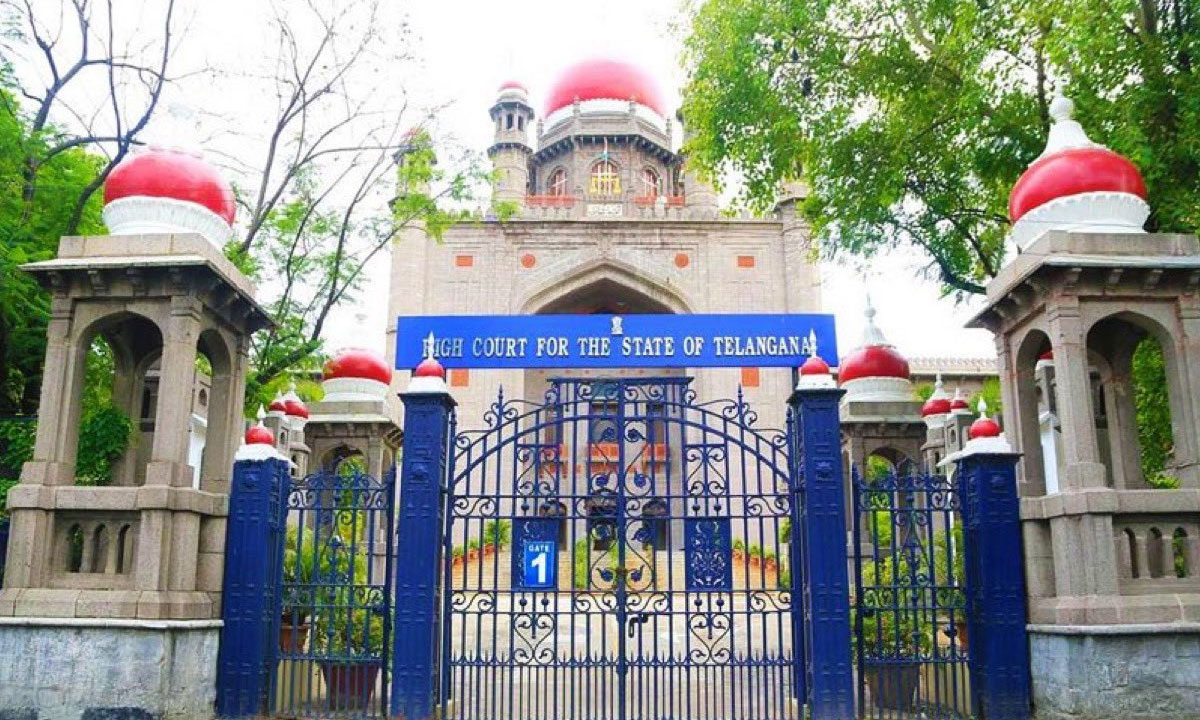

Hyderabad: The Telangana High Court interim fee collection order has triggered serious concern, as it allows private colleges to collect tuition fees directly from students from the 2026–27 academic year, raising fears for SC, ST, BC, EBC and minority students.
The Telangana High Court fee order impact on students is being widely debated, especially as large amounts of scholarship and fee reimbursement dues remain pending with the government.
Telangana High Court Fee Order: What It Means for Students
Under the interim order of the Telangana High Court, private colleges can now collect tuition fees directly from students despite ongoing delays in government reimbursements.
Key concerns:
- Students from economically weaker sections may struggle to pay fees
- Fee burden shifts from government to students
- Risk of dropouts and financial stress increases
The decision has raised alarm among student groups and education activists.
Impact on SC, ST, BC and Minority Students
The Telangana High Court fee collection order is expected to have the greatest impact on vulnerable communities, including:
- SC (Scheduled Castes)
- ST (Scheduled Tribes)
- BC (Backward Classes)
- EBC (Economically Backward Classes)
- Minority students
For years, these students relied on the Fee Reimbursement Scheme, which ensured that tuition costs were covered by the government.
Scholarship Dues and Financial Crisis
A major issue behind the controversy is the delay in scholarship and fee reimbursement payments.
Ground reality:
- Large amounts are still pending from the government
- Even approved payments have not been disbursed
- Colleges are facing financial pressure
However, shifting this burden to students has been described as unfair and harmful.
Concerns Over Student Harassment
There are growing fears that the Telangana High Court fee order could lead to increased pressure on students.
Possible risks:
- Withholding of certificates and documents
- Denial of hall tickets for exams
- Forced fee payments under pressure
Such practices could severely affect students’ academic futures.
Demand for Government Action
Student organizations have urged the Telangana government to take immediate steps.
Key demands:
- File an urgent appeal against the interim order
- Clear all pending scholarship dues immediately
- Ensure no harassment or coercion by colleges
- Announce a transparent timeline for payments
- Create a grievance mechanism for students and institutions
Education Should Remain a Right
Stakeholders emphasized that education is a right, not a privilege, and no student should be forced to discontinue studies due to financial constraints caused by delays in government payments.
The Telangana High Court fee collection order allowing colleges to collect fees from students has raised serious concerns about access to education for vulnerable groups. Unless scholarship dues are cleared and safeguards are implemented, the decision could impact thousands of students across Telangana.
Follow MunsifNews24x7 for latest updates.


