
China’s Role in Iran War Diplomacy: Beijing Pushes De-Escalation Efforts Amid Global Tensions
China plays key behind-the-scenes role in Iran war diplomacy, pushing de-escalation with global powers amid rising tensions and energy concerns.

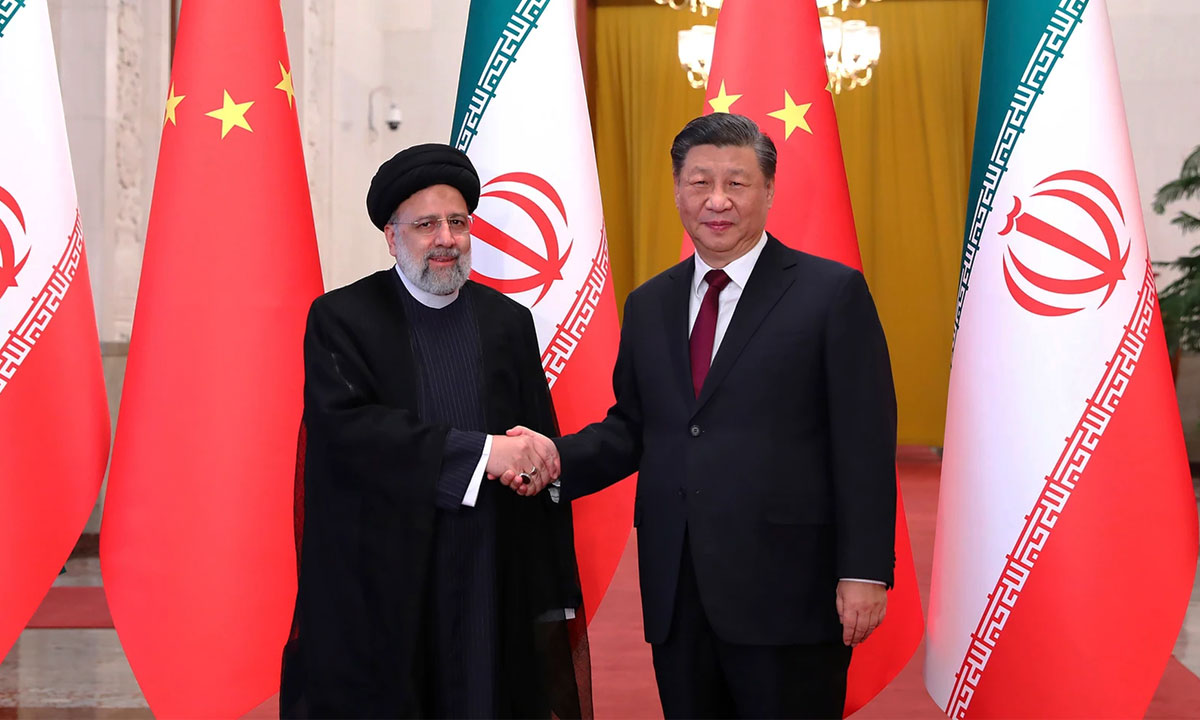

In the ongoing Iran war diplomacy, China has emerged as an unofficial mediator, playing a behind-the-scenes role in de-escalating tensions between parties including Washington and Tehran. While not formally leading negotiations, Beijing has used its economic and political influence to push dialogue, with efforts continuing as the conflict impacts global energy supply and international relations.
Table of Contents
China’s Growing Role in Iran War Diplomacy
China’s profile in international diplomacy has increased significantly in recent years due to active engagement by its diplomats. Traditionally reluctant to involve itself in conflicts far from its borders, Beijing has now become a major player in mediation efforts across regions from Southeast Asia to Europe.
In the Iran war, China is not an official mediator, but all parties — including the United States and Iran — acknowledge its important role in attempting to reduce tensions.
Influence Through Economic and Political Ties
Experts say China’s close economic and political ties with Tehran give it a unique position of influence, especially as the war affects global energy supply, particularly in Asia.
US President Donald Trump stated that he believes China helped encourage Iran to negotiate the fragile ceasefire, which he has now extended.
Diplomats told The Associated Press that Beijing, as the largest buyer of sanctioned Iranian oil, used its leverage to push Iran back to the negotiating table for face-to-face talks held in Pakistan earlier this month.
However, Beijing has not confirmed this, possibly to avoid being seen as part of a US-led security framework, according to Yaqi Li, a researcher at the S Rajaratnam School of International Studies at Nanyang Technological University in Singapore.
High-Level Diplomatic Engagements
After the war began with US-Israeli strikes on Feb 28, China intensified its diplomatic outreach.
Chinese Foreign Minister Wang Yi:
- Held talks with counterparts from Israel, Saudi Arabia, Bahrain, and the United Arab Emirates
- Conducted 30 phone calls with various parties as of mid-April, based on data from China’s Ministry of Foreign Affairs
Wang Yi also hosted his counterpart from Pakistan, a key mediator, and presented a five-point proposal calling for:
- An end to hostilities
- Reopening of the Strait of Hormuz
Xi Jinping’s Strong Statements on Global Order
Chinese President Xi Jinping has taken a more outspoken stance during the conflict.
- He warned against “the world’s retrogression to the law of the jungle”
- Called for reopening of the Strait of Hormuz
Experts note this marks a rare strong tone in China’s foreign policy messaging.
Strategic Importance of China in Iran Conflict
According to George Chen, partner at The Asia Group consultancy:
- China’s role is irreplaceable in the Iran situation
- As Iran’s largest oil buyer, its influence carries significant weight
- China has also shown sympathy for Iran at the United Nations
Additionally, the US government notes that Iran’s ballistic missile program includes Chinese technology, and China supplies dual-use industrial components.
China’s Unique Diplomatic Position
Experts highlight that although China may not be as directly involved as Pakistan or Gulf countries, it holds a unique economic position.
Tuvia Gering, from the Atlantic Council’s Global China Hub, said China can:
- Offer economic incentives to Iran after the war
- Provide investment in reconstruction
- Deliver commercial relief
He added that China could give Iran both political cover and material incentives to maintain agreements.
Previous Diplomatic Successes
China achieved a major diplomatic breakthrough in 2023, helping Saudi Arabia and Iran resume official ties, reducing risks of direct and proxy conflict.
According to Muhammad Zulfikar Rakhmat, researcher at the Centre of Economic and Law Studies in Indonesia:
- China’s mediation is often opportunistic and low-risk
- It typically engages when conditions are already favorable
Broader Diplomatic Activities
China has also been active in:
- Thailand-Cambodia conflict, hosting meetings and supporting ceasefire talks in Malaysia
- Ukraine war, issuing peace proposals and hosting Ukraine’s foreign minister
Despite maintaining a “no-limits” relationship with Russia, Beijing continues diplomatic outreach.
Consistent Diplomatic Strategy
Experts say China’s diplomacy follows a consistent pattern:
- Emphasis on UN Charter and national sovereignty
- Calls for peaceful coexistence and international law
Professor Hoo Tiang Boon from Nanyang Technological University noted that China’s messaging remains “remarkably consistent.”
Global Context and US Comparison
Experts believe China’s diplomatic push comes at a time when US actions under Donald Trump have strained alliances.
According to Thitinan Pongsudhirak, professor at Chulalongkorn University:
- US actions are “deeply damaging”
- China is projecting global leadership by supporting a rules-based international system
He described the contrast between the two approaches as “inescapable.”
China’s behind-the-scenes role in Iran war diplomacy, including engagement with global players, economic leverage, and calls for reopening the Strait of Hormuz, highlights its growing influence as an unofficial mediator, with efforts ongoing amid global tensions and evolving international power dynamics.
Follow MunsifNews24x7 for latest updates.


