
Mosque Demolition Controversies in Gujarat and Varanasi Trigger Debate Over Legal Process, Constitutional Rights
Demolition drives involving religious structures in Gujarat's Kutch district and Varanasi have triggered debate over legal procedures, constitutional rights, and religious freedom. Authorities cite development and anti-encroachment measures, while affected groups question due process.

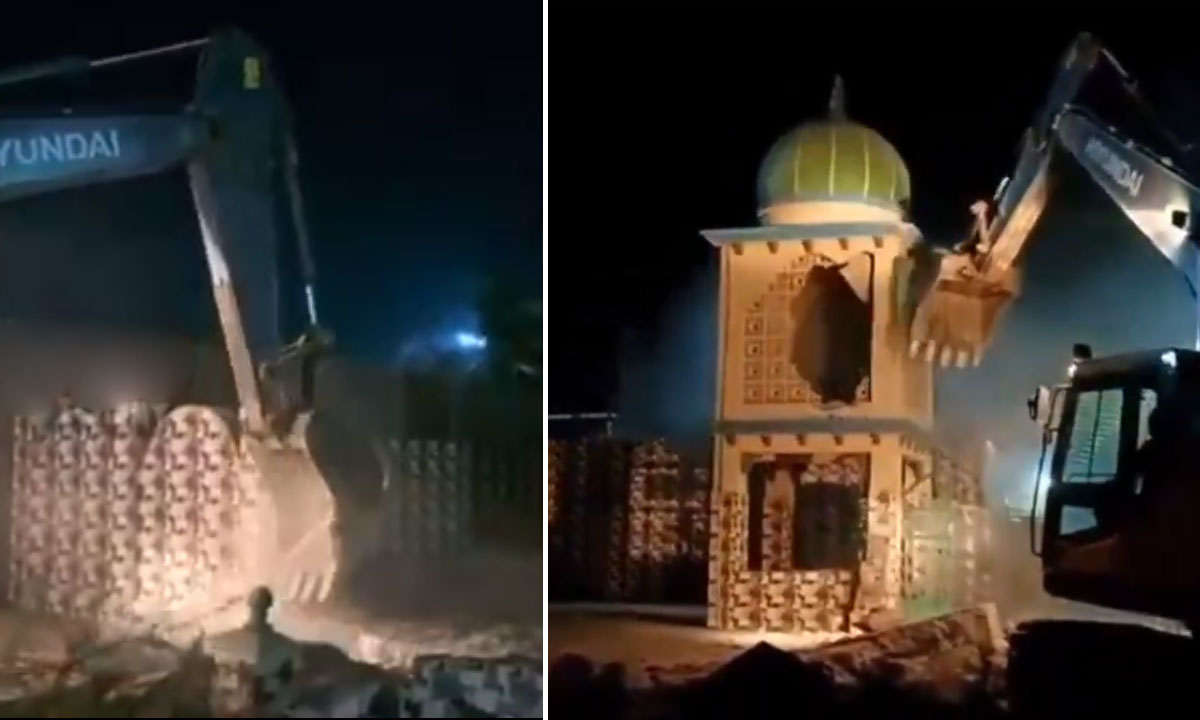
Religious structures in Kutch district, Gujarat, and Varanasi, Uttar Pradesh, have become the center of fresh controversy after demolition drives involving mosques and other religious sites. Authorities say the actions are part of anti-encroachment measures and development projects, while affected persons and Muslim organisations have questioned whether constitutional safeguards, legal procedures, and due process were fully followed. The developments have intensified a nationwide debate over religious freedom, equal application of the law, and constitutional rights.
Table of Contents
Religious Places Hold Deep Emotional and Historical Significance
Places of worship are not merely buildings made of bricks and stones. They represent faith, history, culture, and the memories of generations.
When a religious structure is demolished, it affects not only the building itself but also the emotions, religious attachment, and collective memories of the people associated with it.
Over the past few years, legal disputes and demolition drives involving mosques and other religious places have repeatedly made headlines across India. Following the Babri Masjid case and the Bhojshala–Kamal Maula Mosque dispute, in which the site was handed over to Hindus, judicial and administrative proceedings involving various religious sites have sparked fresh public debate.
Gujarat Kutch Demolition Drive Sparks Dispute
The latest controversy emerged from Kutch district in Gujarat, where multiple religious and residential structures were demolished over the past few days.
According to a fact-finding delegation of Jamiat Ulema-e-Hind, around 30 structures were demolished, including:
- 11 religious places
- 17 commercial establishments
- 2 residential houses
The delegation claimed that the religious structures included three mosques and several shrines (mazars).
Among them was the Juna Kundla Mosque, whose management stated that the mosque had been registered with the Waqf Board since 1965, but was demolished without prior notice.
The Gujarat government, however, has maintained that the demolition drive was carried out under the state’s “Zero Tolerance” policy against illegal encroachments.
Varanasi Road Widening Project Affects Six Mosques
A separate development has emerged from Varanasi, Uttar Pradesh, where portions of several mosques are being demolished under the Dalmandi Road widening project.
The project, estimated at Rs. 224 crore, aims to widen a 650-metre road to improve access to the Kashi Vishwanath Dham.
The mosques affected by the project are:
- Langde Hafiz Mosque
- Naisaran Mosque
- Rangeele Shah Mosque
- Ali Raza Mosque
- Sang-e-Marmar Mosque
- Masjid Mirza Karimullah Baig
District Administration’s Position
According to the district administration, the managements of five mosques agreed, after several months of discussions, to hand over the portions of their properties falling within the road expansion limits.
However, the management of Langde Hafiz Mosque has challenged the action before the Allahabad High Court.
Heavy Security During Demolition Drive
On Wednesday morning, the Dalmandi area of Varanasi was completely sealed during the demolition operation.
Security arrangements included:
- Deployment of Police
- Provincial Armed Constabulary (PAC)
- Central Reserve Police Force (CRPF)
- Rapid Action Force (RAF) personnel
- Surveillance through drones
- Participation of around 200 workers in the demolition drive
- Restricted access for the media
The administration stated that only those portions falling within the road expansion limits were being removed.
Officials also said that approximately 150 other structures have already been demolished under the project, while owners of 105 properties have been paid more than Rs. 62 crore in compensation.
Questions Raised by Affected Persons and Muslim Organisations
The developments in Gujarat and Varanasi have once again raised several questions.
Affected persons, Muslim organisations, and civil rights activists have questioned whether constitutional requirements, legal procedures, and the Supreme Court’s directions are being followed in every case.
They have asked whether notices, hearings, and legal processes are being carried out uniformly before demolition and whether every religious place, building, and citizen is being treated equally under the law.
National Debate Continues
The issues extend beyond Gujarat and Varanasi and have become part of a broader national discussion on the rule of law, constitutional rights, religious freedom, and equal implementation of legal procedures.
Attention is now focused on the courts and the concerned authorities to see how they respond to the objections and allegations raised, and whether constitutional protections will continue to be safeguarded alongside development projects and law enforcement.
The demolition drives involving religious structures in Kutch, Gujarat, and Varanasi, Uttar Pradesh, have reignited debate over legal procedures, constitutional rights, and religious freedom. While authorities describe the actions as part of development projects and anti-encroachment measures, affected persons and Muslim organisations have questioned whether due process and constitutional safeguards were fully followed. The matter remains under public and judicial scrutiny, with the challenge relating to Langde Hafiz Mosque pending before the Allahabad High Court.
Follow MunsifNews24x7 for latest updates.