
A Gesture of Respect: Telangana’s Masterstroke in Winning Hearts Through Haj Support
This decision directly benefits around 7,000 pilgrims from the state undertaking the sacred Hajj 2026 journey. By absorbing this extra burden, the state has eased the financial strain on middle- and lower-income families, turning what could have been a source of resentment into an opportunity for goodwill.


Writer
Mohammed Abdul Jaleel
In a commendable and politically astute move, the Telangana government under Chief Minister A. Revanth Reddy has announced that it will bear the additional Rs 10,000 levy imposed on Haj pilgrims due to rising airfares caused by the situation in West Asia.
This decision directly benefits around 7,000 pilgrims from the state undertaking the sacred Hajj 2026 journey. By absorbing this extra burden, the state has eased the financial strain on middle- and lower-income families, turning what could have been a source of resentment into an opportunity for goodwill.
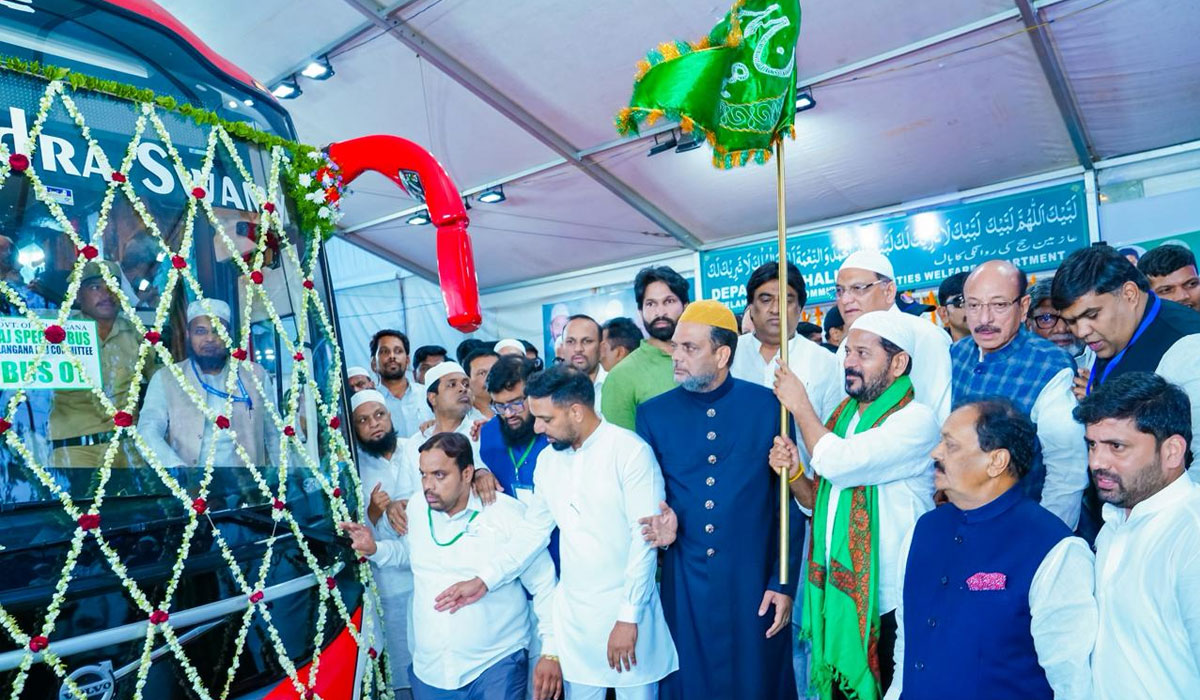
This is more than mere financial relief—it is a masterstroke in community outreach. Revanth Reddy personally flagged off the first batch of pilgrims at the Haj House in Nampally, Hyderabad, delivering a powerful message of respect and inclusion.
In the past, send-offs were often handled by junior ministers or officials, leaving the community feeling sidelined. The Chief Minister’s personal presence elevates the occasion, signaling that the highest office in the state values their religious journey.
Muslims are deeply emotional people, with profound attachment to their faith and religious sentiments. Gestures like these resonate far beyond the immediate benefit. They create lasting emotional bonds. Leaders who demonstrate genuine respect for these sentiments earn a permanent place in the hearts of the community.
Follow for more details: munsifdaily.com
The Congress government in Telangana appears to have understood this psychology well. Under Minister for Minorities Welfare Mohammed Azharuddin, there has been visible improvement in addressing community concerns.
The response to last year’s tragic Madina bus accident, which claimed 44 lives of Telangana Umrah pilgrims, stands as a shining example. The government promptly announced Rs 5 lakh ex-gratia to each affected family, dispatched a ministerial team to oversee arrangements in Saudi Arabia, and facilitated travel for relatives. Such swift and empathetic action in times of grief leaves an indelible mark.
Critics may argue about fiscal priorities or “appeasement,” but this is fundamentally about good governance and human dignity. Haj is not a luxury; it is a once-in-a-lifetime religious obligation for many. Supporting pilgrims ensures they focus on their spiritual experience rather than worrying about costs or logistics.
The government should go further by ensuring meticulous attention to every detail—comfortable travel, proper coordination with Saudi authorities, and reliable support mechanisms throughout the journey.
Other states in India should take note. Minority communities, particularly Muslims, have often felt neglected by ruling dispensations. Small but thoughtful gestures—subsidizing additional costs, personal engagement by top leaders, and responsive welfare measures—can bridge divides and foster greater social harmony. These are not vote-bank politics when executed with sincerity; they are steps toward inclusive development.
Telangana’s approach under Revanth Reddy demonstrates that respecting religious sentiments and addressing practical needs can coexist with broader governance goals.
As the pilgrims embark on their sacred journey, they carry not just the state’s financial support but also its emotional solidarity. Such leadership builds trust that lasts far longer than electoral cycles. If more Chief Ministers emulate this model, India’s social fabric can only grow stronger.


