
India Allows SAF-Blended Jet Fuel for Aircraft to Cut Emissions
New policy aligns India with global aviation climate goals; phased blending targets set from 2027

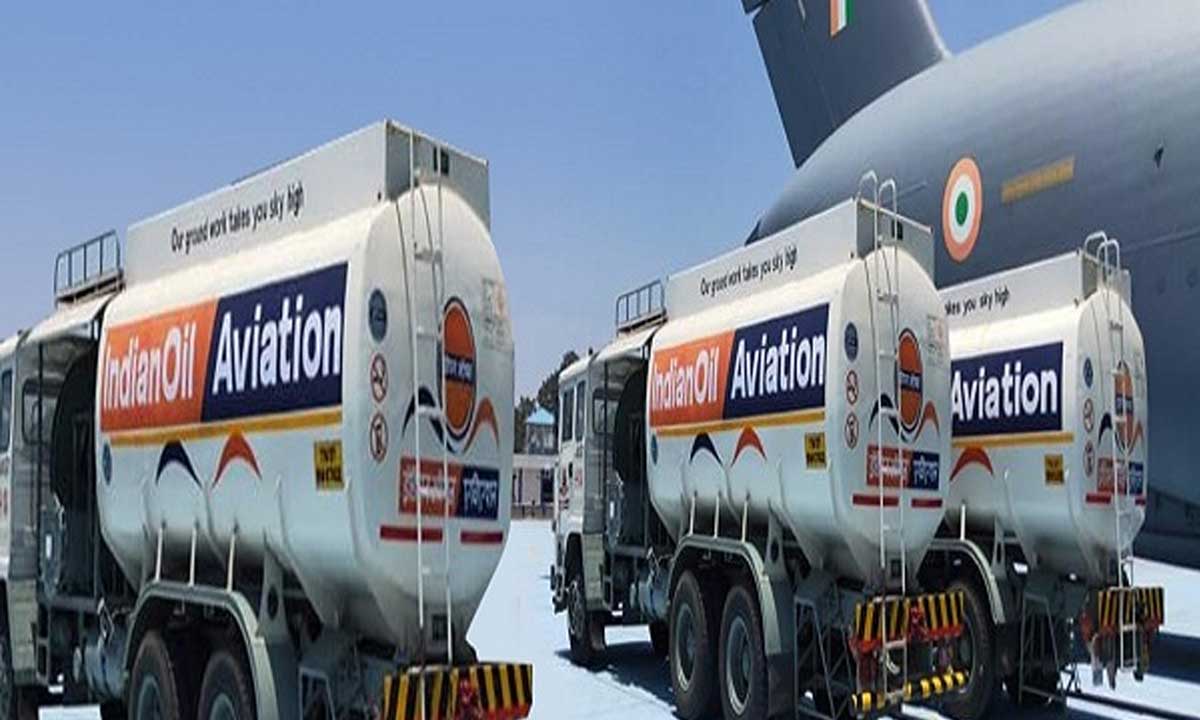
New Delhi: In a major step towards cleaner aviation, the Government of India has issued a notification allowing the use of Sustainable Aviation Fuel (SAF) blended with Aviation Turbine Fuel (ATF) for aircraft operations, particularly on international routes. The move aims to reduce greenhouse gas emissions and align India with global sustainability standards in aviation.
The Ministry of Petroleum and Natural Gas announced that an amendment has been made to the Aviation Turbine Fuel (Regulation of Marketing) Order, 2001 through a notification dated April 17, 2026. This amendment formally brings SAF-blended fuel under the regulatory framework governing ATF.
What is SAF and Why It Matters
Sustainable Aviation Fuel consists of specially processed aviation-grade hydrocarbons that are chemically similar to conventional jet fuel. It is fully compatible with existing aircraft engines and does not compromise safety or performance.
SAF is produced from renewable sources such as agricultural crops, waste materials, and biogenic residues. Its adoption is considered crucial for reducing carbon emissions in the aviation sector, one of the hardest industries to decarbonise.
Strict Global Standards Followed
The government clarified that SAF undergoes rigorous testing under standards recognised by the International Civil Aviation Organization and complies with certification processes set by ASTM International before being approved for aviation use.
The amendment also updates fuel definitions to include SAF that is either co-processed in refineries or blended with ATF, as per Bureau of Indian Standards (BIS) specifications.
India’s SAF Blending Targets
To meet global emission norms, India has outlined a phased blending roadmap for international flights:
- 1% SAF blending by 2027
- 2% by 2028
- 5% by 2030
This roadmap aligns with the global carbon reduction framework under CORSIA (Carbon Offsetting and Reduction Scheme for International Aviation), which becomes mandatory in 2027.
Global Momentum for SAF Adoption
India’s move mirrors global efforts to decarbonise aviation. Several regions have already introduced SAF mandates:
- European Union: 2% by 2025, 6% by 2030
- United Kingdom: 10% by 2030
- United States: Incentive-driven adoption
- Japan: 10% target by 2030
- Singapore: 1% from 2026, rising to 3–5% by 2030
Boost to Green Energy Transition
The notification is expected to strengthen India’s position in the global clean energy ecosystem. It will also encourage domestic SAF production, reduce dependence on fossil fuels, and support the country’s broader climate commitments.
Officials stated that the amendment is a crucial enabling step to operationalise SAF blending targets and ensure India remains integrated with the evolving global aviation fuel supply chain.


