
Iran Rejects Ceasefire Proposal: Demands Permanent End to War Amid Strait of Hormuz Tensions
Iran rejects ceasefire proposal, demands permanent end to war amid Strait of Hormuz tensions. Global concerns rise over energy supply and Middle East conflict.

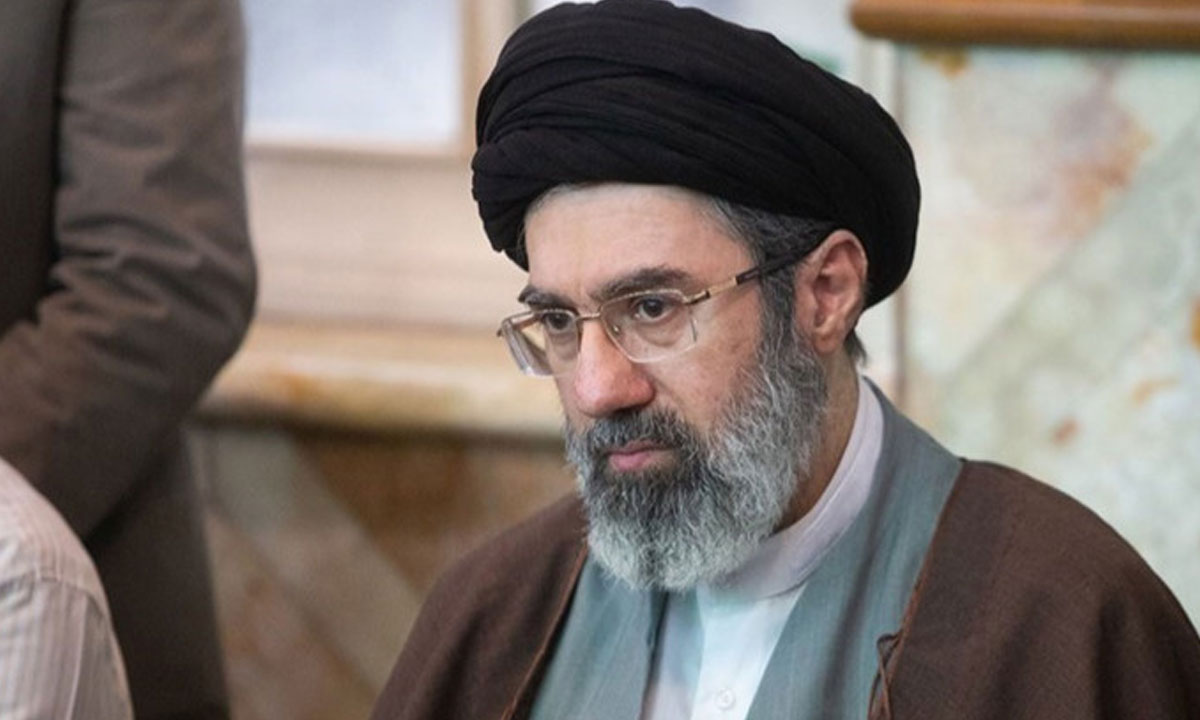

In a major escalation, Iran has rejected the latest ceasefire proposal and demanded a permanent end to the war, further intensifying the ongoing conflict. The Iran ceasefire rejection and Strait of Hormuz tensions have raised global concerns over security and energy supply.
Iran’s Clear Stand on Ceasefire
According to official statements:
- Iran has rejected the proposed temporary ceasefire
- It insists on a complete and permanent end to the war
- Authorities demand guarantees against future attacks
The move signals that Iran is not willing to accept short-term solutions.
Message Sent Through Diplomatic Channels
Iran reportedly:
- Communicated its decision to the United States through diplomatic channels
- Emphasized that only a lasting peace agreement is acceptable
This development comes at a critical time in the Iran-US conflict.
Strait of Hormuz Remains a Key Issue
The Strait of Hormuz crisis continues to play a central role:
- It is a vital global oil shipping route
- Ongoing tensions are affecting international trade and fuel prices
Iran is also working with regional partners to:
- Develop a mechanism for managing shipping through the strait
Deadline Pressure and Rising Tensions
The situation has become more tense as:
- A deadline has been set for reopening the Strait of Hormuz
- Threats of further strikes on infrastructure have been made
- Military tensions continue to escalate
Global Concerns Increase
The Iran rejection of ceasefire proposal has triggered:
- Fears of a prolonged war in the Middle East
- Concerns over energy supply disruptions
- Rising global oil prices and economic impact
The Iran rejection of the ceasefire proposal and demand for a permanent end to the war marks a significant turning point in the conflict. With tensions high and no agreement in place, the situation remains uncertain as the world watches closely for further developments.
Follow MunsifNews24x7 for latest updates.


