
Strong Condemnation: Muslim clerics condemn killing of Khamenei, call for peace
Prominent Muslim clerics in Uttar Pradesh have strongly condemned the killing of Iran’s Supreme Leader Ayatollah Ali Khamenei in US-Israel strikes, terming it a grave loss for the Muslim community and urging the international community to intervene to prevent further escalation in the region.

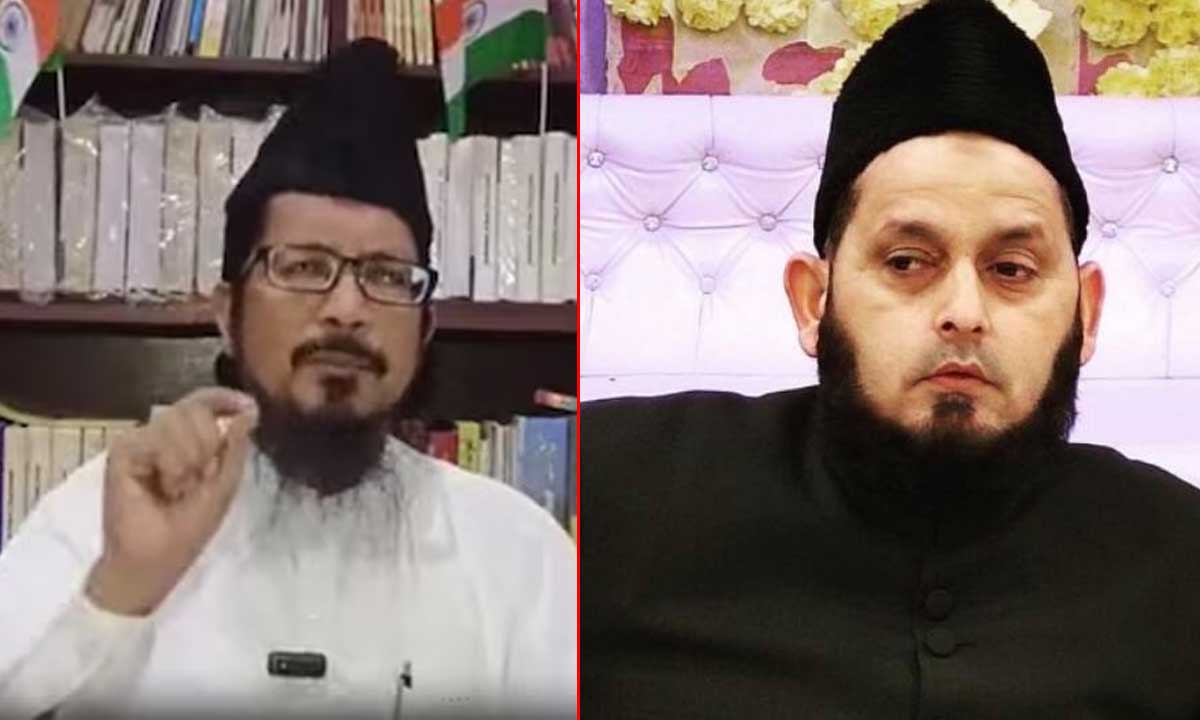

Lucknow: Prominent Muslim clerics in Uttar Pradesh have strongly condemned the killing of Iran’s Supreme Leader Ayatollah Ali Khamenei in US-Israel strikes, terming it a grave loss for the Muslim community and urging the international community to intervene to prevent further escalation in the region.
Maulana Mufti Shahabuddin Razvi Barelvi, National President of the All India Muslim Jamaat, said the death of Khamenei — who led Iran for nearly four decades — was a grievous loss for the Muslim community. “This is not only a moment of grief and pain for the people of Iran, but for everyone who respected him,” the Maulana said.
He alleged that the US and Israel had been targeting him for years, calling the attack oppressive and an attempt to weaken Iran’s leadership. Razvi appealed to protesters in India to exercise their democratic right peacefully and ensure there was no violence or disruption during demonstrations.
Religious Leaders Demand Global Intervention and Restraint
Maulana Khalid Rasheed Firangi Mahali, Chairman of the Lucknow Islamic Centre, described the strikes as a violation of international law and condemned the killing of Khamenei, whom he said had every right to defend his country. “Iran is a sovereign, independent nation, and the attack by Israel and the US demonstrates extreme brutality,” he said, calling on the United Nations and the global community to intervene and halt the conflict immediately.”
Shia religious leader Maulana Saif Abbas also reacted strongly, saying the US-Israel strike was tantamount to a terrorist action and should be condemned by the entire world. “The persistent actions of the United States show a pattern of interference and aggression,” Abbas said, criticising global power politics and lamenting the escalation of violence.
The clerics emphasised that while expressing solidarity and grief is natural, maintaining peace and communal harmony within India remains paramount. They reiterated that protests should remain lawful and peaceful, without causing disruption to public life. Community leaders across Uttar Pradesh echoed similar sentiments, appealing for unity and calm during what they described as a sensitive and emotionally charged period.
Mourning in Iran and Regional Fallout
The killing of Ayatollah Ali Khamenei — confirmed by Iranian state media — has triggered a 40-day national mourning period in Iran amid retaliatory missile and drone strikes by Iranian forces on targets in the region, including US and Israeli assets.
The conflict has also sparked protests in parts of Kashmir and elsewhere in India, with demonstrators expressing solidarity with Iran and condemning the military action that led to Khamenei’s death.
Observers note that the situation has added to already heightened tensions in West Asia, with fears that continued military exchanges could destabilise the broader region. International calls for de-escalation have grown louder, with several nations urging restraint and diplomatic dialogue to prevent further loss of life.
Appeal for Peace and Communal Harmony
Religious scholars in Lucknow stressed that Islam upholds justice, peace, and the sanctity of life, urging followers not to let grief turn into hostility. They underlined the importance of constructive engagement and diplomatic resolution over prolonged confrontation.
Community organisations have also announced prayer meetings and peaceful gatherings to pay respects while reinforcing the message of non-violence. Law enforcement authorities in sensitive areas have stepped up monitoring to ensure that public order is maintained.
As the geopolitical situation continues to evolve, clerics maintained that the global community must act responsibly to prevent further bloodshed. They called for renewed diplomatic initiatives to reduce tensions and restore stability in the region.
The developments have once again highlighted how international conflicts can resonate deeply within communities across borders, shaping public sentiment and prompting appeals for peace, restraint, and humanitarian consideration.
Follow MunsifNews24x7 for latest updates.


