
India’s Digital Revolution: How Technology Is Driving Financial Inclusion and Youth Entrepreneurship
According to the figures cited in the original report, the number of accounts opened under the scheme increased from around 12.5 crore to more than 54.2 crore by December 2025. Total deposits in these accounts crossed ₹2.35 lakh crore.

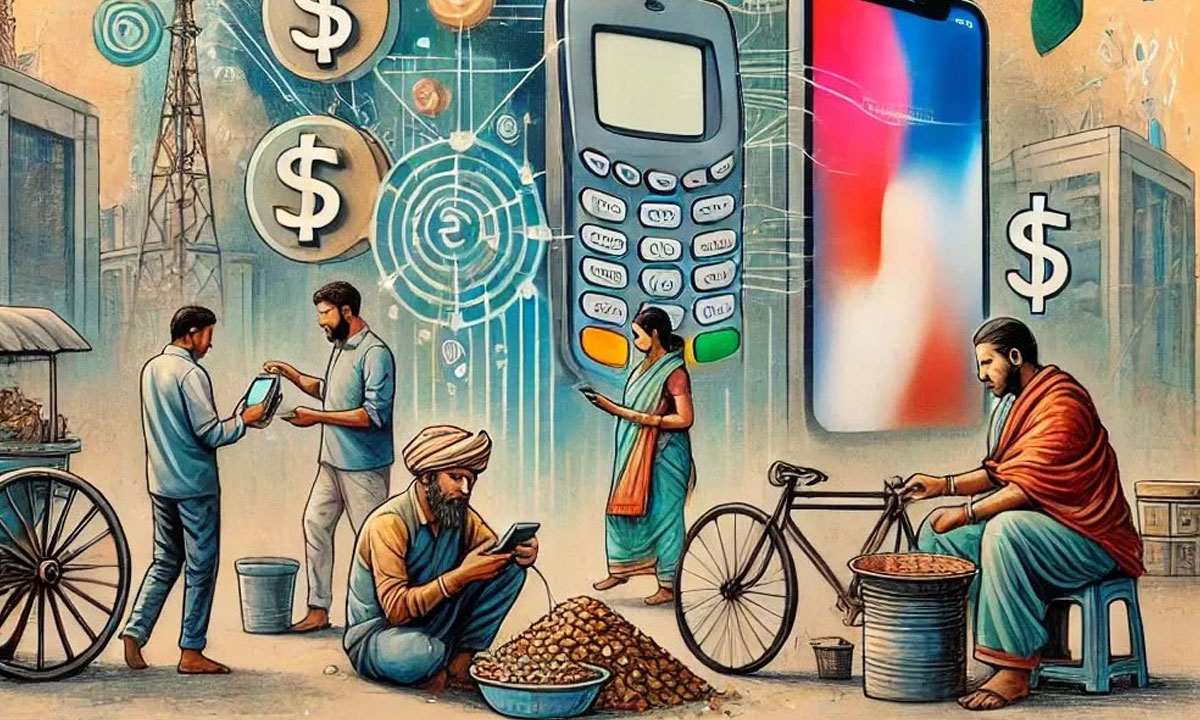

From Jan Dhan and Aadhaar to UPI and digital public infrastructure, India’s technology-led transformation is reshaping access to finance, payments and entrepreneurship
As India celebrated its 80th Independence Day on August 15, 2026, the country’s digital transformation emerged as one of the defining features of its modern development journey.
Over the past decade, India has built a vast digital ecosystem aimed at connecting millions of citizens with formal banking, government services, digital payments and new economic opportunities.
At the centre of this transformation is the JAM Trinity — Jan Dhan bank accounts, Aadhaar-based digital identity and mobile connectivity. Together, these systems have helped expand access to formal financial services and created the foundation for a broader digital economy.
Jan Dhan: Bringing Millions Into Formal Banking
The Pradhan Mantri Jan Dhan Yojana, launched in August 2014, became one of the key pillars of India’s financial inclusion programme.
According to the figures cited in the original report, the number of accounts opened under the scheme increased from around 12.5 crore to more than 54.2 crore by December 2025. Total deposits in these accounts crossed ₹2.35 lakh crore.
More than half of these accounts are reportedly held by women, giving millions of women greater access to formal banking and direct control over their finances.
The expansion of bank accounts has also made it easier for government welfare payments and subsidies to reach beneficiaries directly through digital transfers.
UPI Transforms Everyday Payments
The next major transformation came with the Unified Payments Interface, or UPI, introduced in 2016 by the National Payments Corporation of India.
UPI has changed the way Indians make everyday payments. From street vendors and small shops to large companies, digital payments can now be made instantly through interoperable QR codes and mobile applications.
According to the figures provided in the source material, UPI transactions reached more than 16 billion transactions a month by late 2025 and into 2026, with monthly transaction value crossing ₹22 lakh crore.
The rapid growth of UPI has also helped make digital payments accessible to people who previously depended heavily on cash.
Digital Infrastructure Beyond Payments
India’s digital transformation is not limited to banking and payments.
Platforms and systems such as DigiLocker, the Account Aggregator framework and the Open Network for Digital Commerce, or ONDC, are expanding the use of digital technology in areas such as document verification, financial services and online commerce.
The Account Aggregator framework allows individuals and businesses to share their financial information with authorised institutions through a consent-based system.
This can help lenders assess financial information more efficiently and potentially improve access to formal credit for small businesses, entrepreneurs and professionals who may previously have depended on informal sources of finance.
Smartphones Become Economic Tools
India’s expanding mobile connectivity has further accelerated this transformation.
Affordable mobile data, widespread 4G connectivity and the expansion of 5G networks have placed powerful digital tools in the hands of millions of people.
For young Indians, particularly those living in tier-2 and tier-3 cities, a smartphone is increasingly becoming more than a communication device. It can serve as a platform for digital payments, online education, content creation, e-commerce and entrepreneurship.
Young entrepreneurs are using these digital platforms to build software businesses, content-creation ventures and direct-to-consumer brands, allowing them to reach customers beyond their own cities and even participate in global markets.
A New Era of Financial Inclusion
India’s digital journey demonstrates how technology can connect citizens with formal financial systems at an unprecedented scale.
The combination of bank accounts, digital identity, mobile connectivity, instant payments and consent-based data sharing is creating an interconnected digital ecosystem.
For millions of citizens, this transformation means easier access to banking, faster payments, greater participation in the formal economy and new opportunities for entrepreneurship.
As India moves forward, the challenge will be to ensure that this digital growth remains secure, affordable, accessible and inclusive, so that the benefits of technology reach not only major cities but also rural communities, small businesses, women and the country’s rapidly growing young population.


