
Iran Sets Tough Conditions for Reopening Strait of Hormuz, Demands Major U.S. Concessions
According to a statement carried by Iranian state media, Zolghadr said that the United States must correct its conduct before the strategic waterway can return to normal operations.

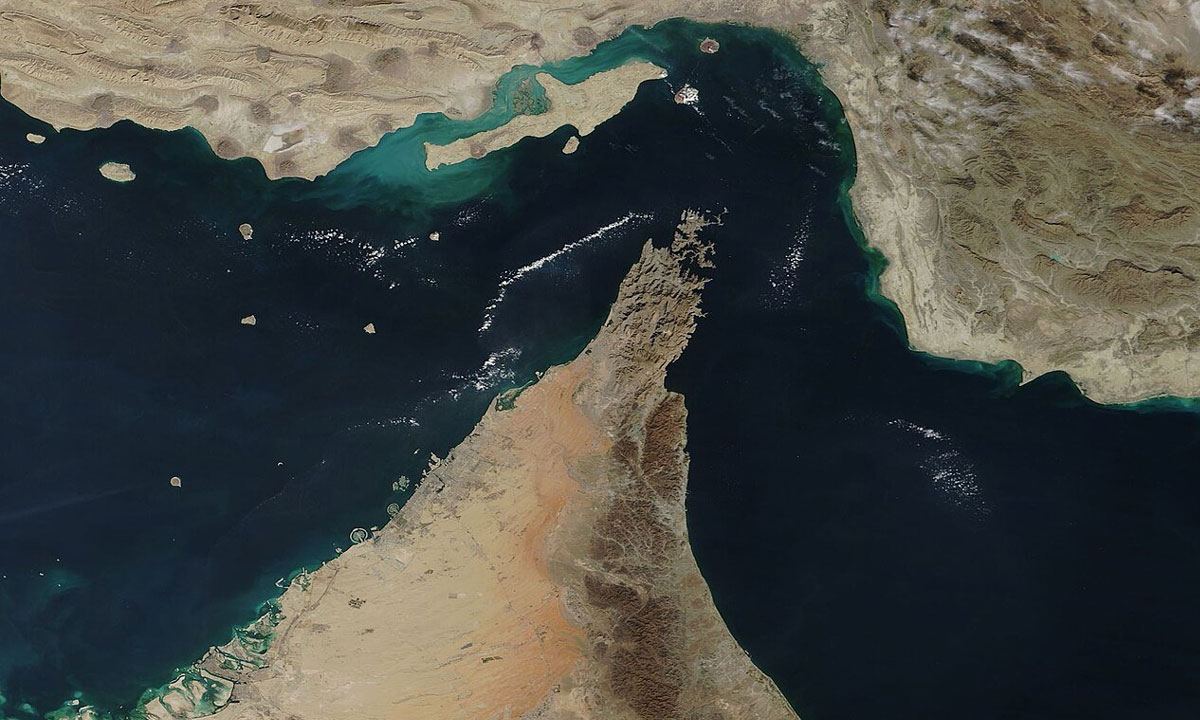

TEHRAN: Iran has laid out a series of conditions for reopening the Strait of Hormuz, sending a firm message to the United States amid ongoing diplomatic efforts over the strategically vital waterway.
Mohammad Bagher Zolghadr, secretary of Iran’s Supreme National Security Council, said the Strait of Hormuz would not be reopened until the United States changes what Tehran describes as its hostile policies.
According to a statement carried by Iranian state media, Zolghadr said that the United States must correct its conduct before the strategic waterway can return to normal operations.
Iran’s demands reportedly include an end to the U.S. naval blockade, the withdrawal of U.S. military forces, an end to military operations against Iran and its allies, and the lifting of sanctions imposed on Tehran.
Iran has also called for compensation for damage caused during the conflict and the unconditional transfer of Iranian assets frozen abroad.
Zolghadr further demanded that Washington stop threatening Iran and refrain from what Tehran considers insulting remarks concerning the country’s holy sites.
He said the demands reflected the position of the Iranian people following months of conflict and public mobilisation.
Meanwhile, Iranian and Omani officials are continuing talks on arrangements for reopening the Strait of Hormuz and restoring maritime traffic.
Iranian Foreign Minister Abbas Araghchi said Tehran is close to reaching an agreement with Oman on transportation through the waterway. However, he warned that reopening the Strait would depend on additional conditions, including corrective measures by the United States over what Iran describes as a violation of an agreement reached in June.
Oman’s Foreign Ministry has described the talks as positive and constructive.
At the same time, Washington and Tehran have issued differing signals about the negotiations. U.S. Vice President JD Vance said Iranian officials had told the United States that Tehran does not intend to keep the Strait of Hormuz closed.
Iran’s state broadcaster IRIB reported that members of parliament had broadly agreed on a proposed framework with Oman, although final approval was still pending.
The Strait of Hormuz has emerged as a major strategic and political pressure point for Iran amid the current crisis. The waterway is one of the world’s most important energy corridors, carrying a substantial share of global oil supplies.
Any prolonged disruption to the Strait could therefore have consequences far beyond the Gulf region, potentially affecting global energy markets and oil prices.
Zolghadr said Iran’s Supreme National Security Council would remain firm on its position and continue pursuing the issue through both military and diplomatic channels.
The focus now remains on the ongoing talks between Iran, Oman and the United States and whether a final arrangement can be reached to restore normal maritime traffic through the Strait of Hormuz.


