
Mirza Faqrul takes oath as 23rd President of Bangladesh
The last presidential election decided through voting in Parliament was on October 8, 1991.

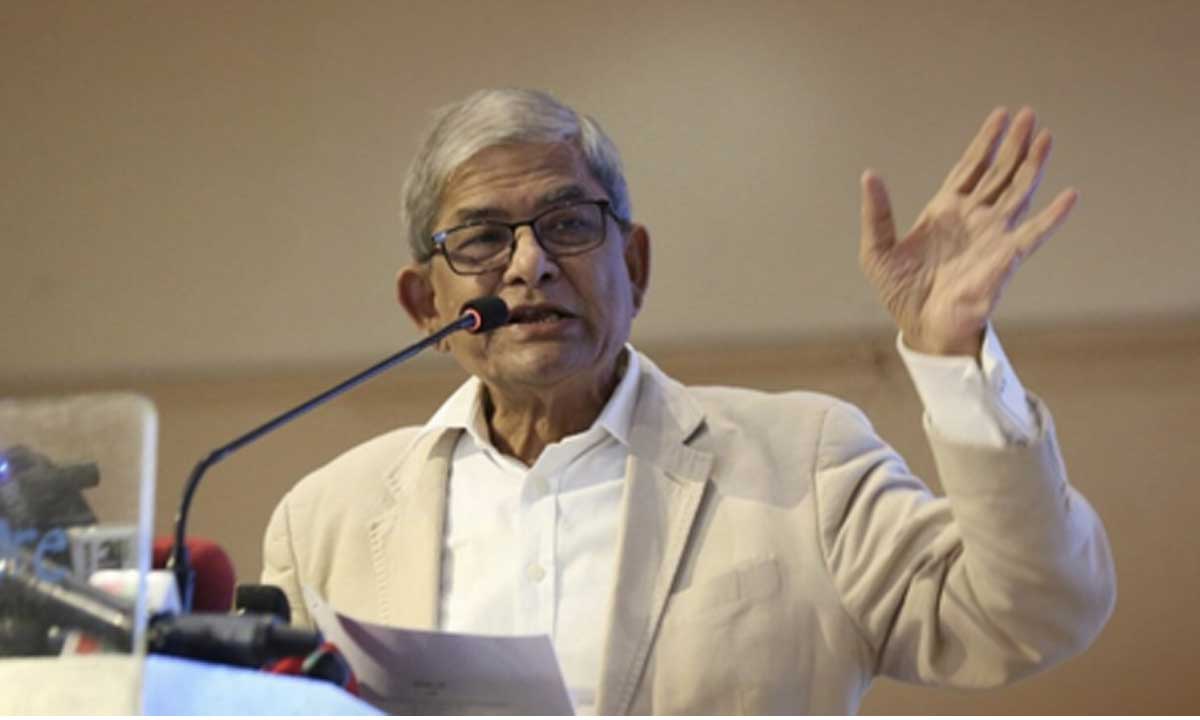
Dhaka : Bangladesh Nationalist Party (BNP) leader Mirza Fakhrul Islam Alamgir on Friday took oath as the 23rd President of Bangladesh at Bangabhaban, the official residence of the President in Dhaka, local media reported.
The oath was administered by the Acting Speaker, Barrister Kayser Kamal, Bangladeshi media outlet UNB reported.
Outgoing acting President Hafiz Uddin Ahmad, Prime Minister Tarique Rahman, Chief Justice Zubayer Rahman Chowdhury, former Chief Adviser of the interim government Prof Muhammad Yunus, and several other distinguished guests attended the ceremony, it was reported.
Fakhrul was elected as the 23rd President of Bangladesh on Thursday after defeating Oli Ahmed, the candidate backed by Jamaat-e-Islami-led 11-party alliance. He secured 255 votes, while Ahmed could manage only 88 of the 343 valid votes cast in the presidential election held on Thursday afternoon in the national Parliament under the supervision of Chief Election Commissioner (CEC) and Returning Officer A M M Nasir Uddin.
The presidential election marked the first “ballot battle” in more than three and a half decades, breaking the longstanding practice of electing Presidents unopposed, a trend that continued since 1991.
The last presidential election decided through voting in Parliament was on October 8, 1991.
Speaker of the National Parliament Hafiz Uddin Ahmed was serving as the country’s acting President following the resignation of Bangladesh President Mohammed Shahabuddin on July 24. Under the Constitution of Bangladesh, the election of a new President must be held within 90 days of the office falling vacant.
For over 15 years, Fakhrul served as BNP’s effective “number two”, becoming the party’s longest-serving Secretary General and one of its most prominent public faces.
During BNP’s turbulent period, when Tarique Rahman was in exile in London, and his mother and former BNP chief Khaleda Zia faced imprisonment, house arrest, or battled prolonged illness, Fakhrul emerged as the senior leader physically present in Bangladesh. He remained in contact with party workers on the ground and helped execute party decisions into action, Bangladesh’s leading newspaper The Daily Star reported.


