
Why Children Fall Sick More Often When Seasons Change
Weather itself does not usually cause infection; changing routines, crowded indoor spaces, poor ventilation and contaminated food or water are often the real risks.

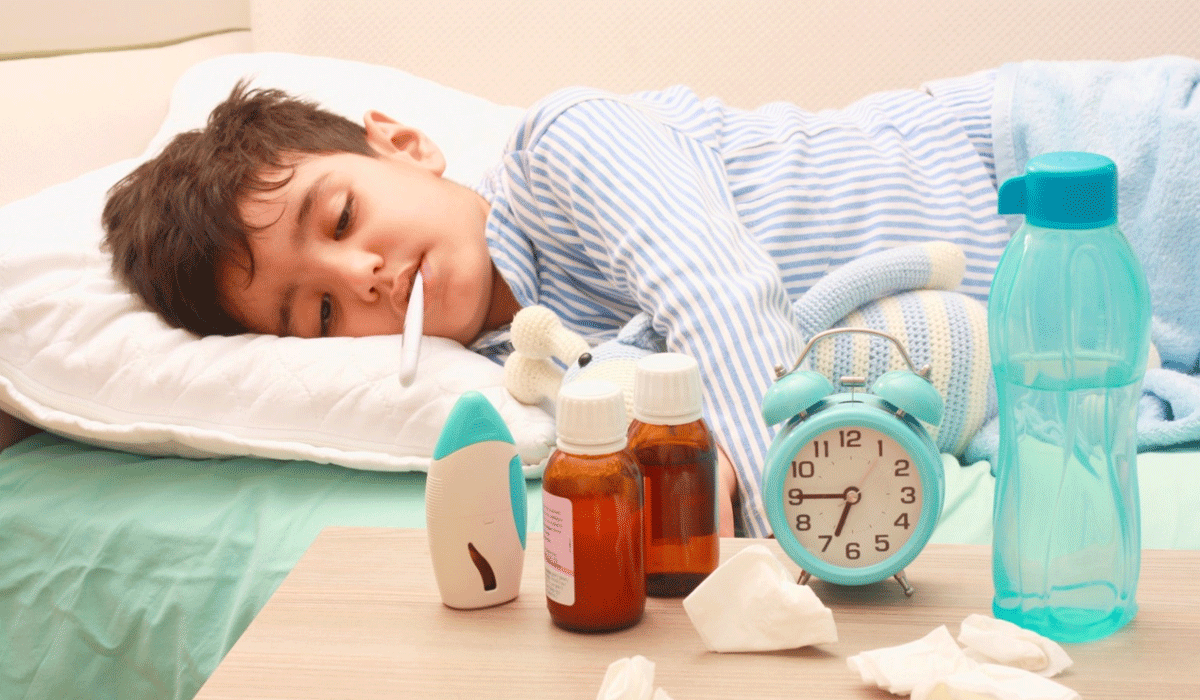

Children frequently develop coughs, colds, fever or stomach infections during seasonal transitions, but a sudden change in temperature is usually not the direct cause. Most common colds are viral infections, while seasonal conditions can influence how easily viruses circulate and how people interact.
During cooler or rainy periods, children may spend more time indoors with classmates, siblings and friends. Respiratory viruses spread more easily in crowded indoor spaces with poor airflow, making ventilation an important preventive measure.
Children are especially prone to repeated colds because many different viruses can produce cold-like symptoms. Seasonal influenza is also a substantial health burden: the World Health Organization estimates about one billion influenza cases globally each year, including 3–5 million severe illnesses.
Monsoon Brings Different Risks
In India, the rainy season can also increase the risk of diarrhoeal illness when food or drinking water becomes contaminated. The National Health Mission’s current STOP Diarrhoea programme specifically targets the higher incidence seen during summer, monsoon and flood periods, stressing safe water, sanitation, handwashing, ORS and zinc for childhood diarrhoea.
Getting wet in the rain, however, does not by itself cause a viral infection. Parents should focus instead on handwashing, safe food and water, good ventilation, adequate sleep, fluids and balanced meals.
Frequent colds do not automatically indicate weak immunity, and antibiotics should not be given routinely because they do not work against viruses. Unproven “immunity boosters” should not replace basic preventive care.
Most mild coughs and colds can be managed with rest, fluids and monitoring. Medical attention is advisable for breathing difficulty, dehydration, persistent fever, unusual drowsiness, symptoms lasting without improvement, or illness that improves and then becomes worse.
OUTCOME — WHAT PARENTS SHOULD KNOW
- Focus on infection prevention, not temperature alone: clean hands, safe water, fresh air and timely medical care matter most.
Follow for more details: Munsif daily.com


