
Parliament Winter Session Likely in First Week of December; Centre Plans Women’s Quota-Delimitation Bill
Parliament's Winter Session is likely in December's first week, with the Centre considering a Constitutional Amendment Bill linking women's reservation with delimitation.

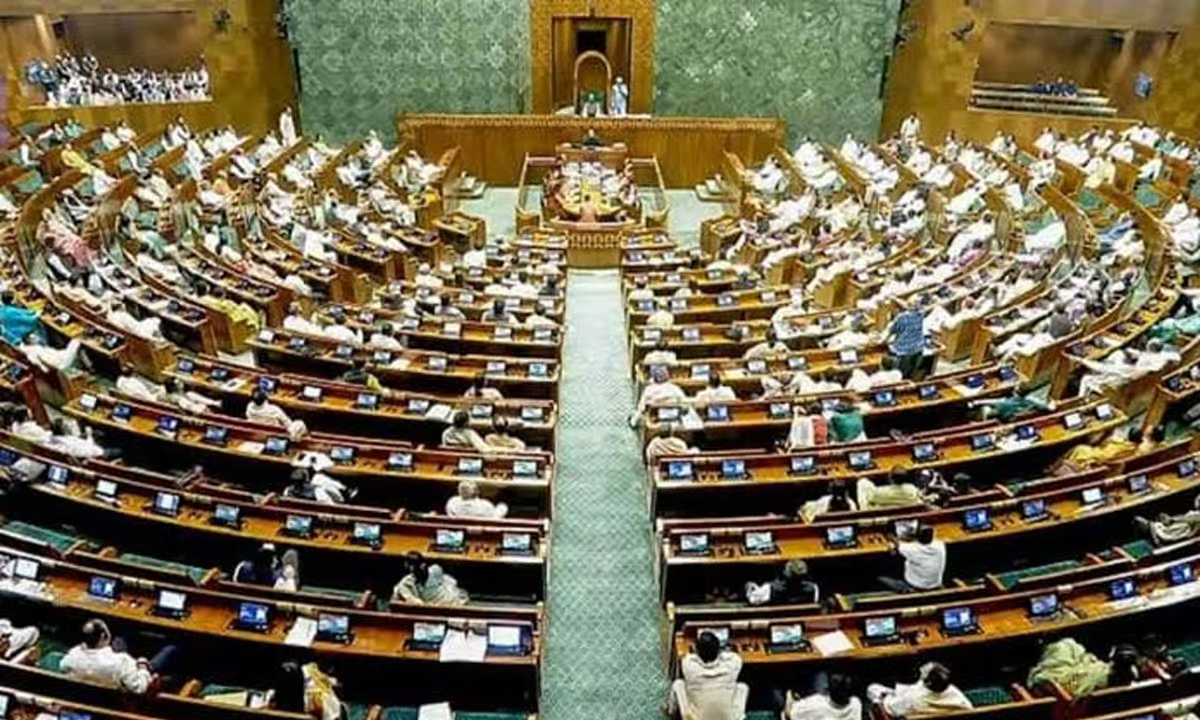
NEW DELHI: Parliament’s Winter Session is likely to commence in the first week of December, with the Centre considering the introduction of a crucial Constitutional Amendment Bill linking women’s reservation with delimitation, according to reliable sources.
The government is reportedly exploring the possibility of reconvening the Monsoon Session, which was adjourned sine die on August 13 but has not yet been prorogued, instead of convening a fresh special session. Under this option, Parliament could reportedly be reconvened with just two days’ notice, compared to the 14-day notice required for a fresh session.
The proposed legislation aims to increase the strength of the Lok Sabha and implement 33 per cent reservation for women. However, its passage will require a two-thirds majority of members present and voting. With the NDA having around 320 MPs, securing support from opposition parties will be important for the government’s legislative plans.
Meanwhile, Union Home Minister Amit Shah has maintained that southern states will not lose their share of parliamentary representation under the proposed 50 per cent increase in Lok Sabha seats. He has stated that the number of seats allocated to southern states would rise from 129 to 195, maintaining their representation at around 24 per cent.
The Winter Session is also expected to witness heated political exchanges over the Special Intensive Revision (SIR) of electoral rolls. The Congress, Left parties and Trinamool Congress are expected to raise the issue and demand the removal of Chief Election Commissioner Gyanesh Kumar.
The proposed legislation follows the passage of the Nari Shakti Vandan Adhiniyam during the special Parliament session in September 2023. The law provides for 33 per cent reservation for women in the Lok Sabha and State Legislative Assemblies, but its implementation was linked to a future Census and delimitation exercise.
The forthcoming session could therefore become significant in determining the next steps towards implementing women’s reservation in legislative bodies.


