
Public transport key to resolving Cyberabad traffic congestion: HYDRAA Commissioner
Improving public transport connectivity, providing footpaths on both sides of roads and developing pedestrian-friendly infrastructure are essential to resolving traffic congestion in Cyberabad, said HYDRAA Commissioner A V Ranganath.

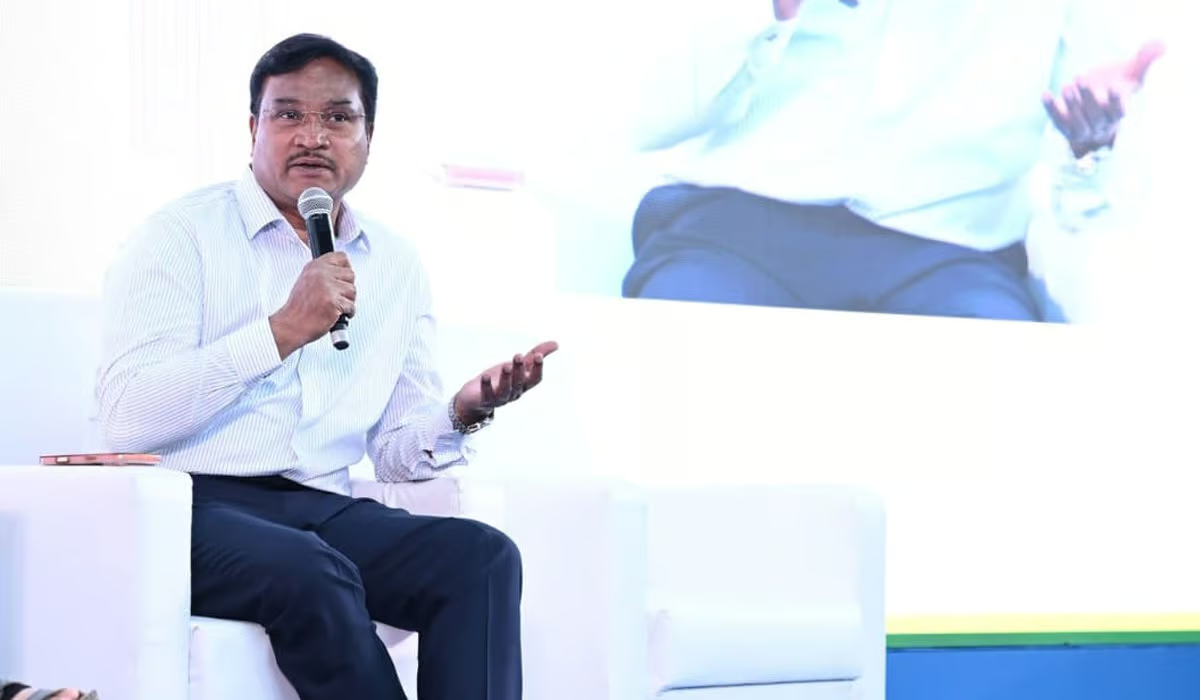
HYDERABAD: Improving public transport connectivity, providing footpaths on both sides of roads and developing pedestrian-friendly infrastructure are essential to resolving traffic congestion in Cyberabad, said HYDRAA Commissioner A V Ranganath.
Participating in a panel discussion at the three-day Cyberabad Moves 2026 conference at T-Hub in Raidurgam on Thursday, he said private vehicle usage could be significantly reduced if public transport was made accessible right up to the last mile.
He stressed the need to improve connectivity between MMTS trains, Metro services and RTC city buses so that commuters could easily reach their destinations after getting off public transport. Providing footpaths on both sides of roads would encourage people to walk to transit points, helping reduce dependence on private vehicles.
Ranganath suggested implementing a pilot project in selected areas by providing public transport, cycle tracks, proper footpaths and measures to prevent rainwater stagnation. Showcasing successful models, he said, would build public confidence and encourage cooperation.
Follow for more details: munsifdaily.com
Citing HYDRAA’s restoration of lakes and canals as an example, he recalled that although residents initially protested against the removal of encroachments, public support increased after they witnessed improvements in water bodies.
He also called for revising urban planning norms, pointing out that the 10 per cent land allocation for public amenities in residential layouts was inadequate with the growth of multistorey buildings. Dedicated spaces for markets and small businesses, he said, would prevent roadside and footpath encroachments.
The suggestions assume significance as Cyberabad struggles with growing IT corridor congestion. The 2020 Hyderabad floods, which exposed the consequences of inadequate drainage and water stagnation, also underline the need to integrate sustainable drainage with transport planning. Successful pilot projects could demonstrate how better infrastructure can make commuting safer and smoother.


