
Telangana Fisheries Department Faces ₹133 Crore Waste Allegations Over Fish Seedling Distribution
According to the allegations, nearly 13,000 of the state's 17,677 ponds have dried up, raising questions about the department's decision to proceed with the distribution programme despite the lack of adequate water in a large number of water bodies.

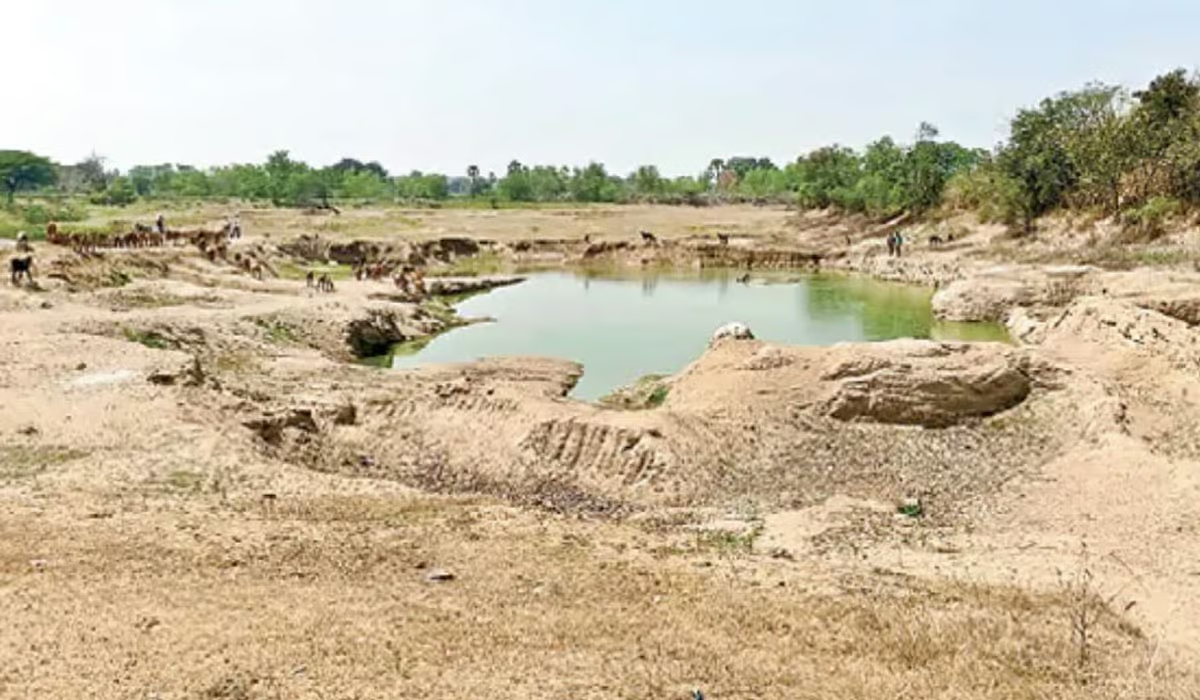

Hyderabad: The Telangana Fisheries Department is facing allegations of potential wastage of public funds amounting to ₹133 crore over a proposed fish seedling distribution programme, amid concerns that seedlings could be released into ponds that have dried up due to insufficient rainfall and declining water levels.
According to the allegations, nearly 13,000 of the state’s 17,677 ponds have dried up, raising questions about the department’s decision to proceed with the distribution programme despite the lack of adequate water in a large number of water bodies.
As per the standard regulations cited in the allegations, fish seedlings should be released into ponds only when water storage reaches at least 50 per cent of capacity and is expected to remain at that level for six months. These conditions are intended to ensure that the fish survive and grow, allowing fishing communities to benefit from the programme.
However, the proposed distribution has triggered concerns among fishermen and stakeholders, who fear that releasing seedlings into dry or inadequately filled ponds could result in substantial losses of public money.
Follow for more details: munsifdaily.com
The controversy has intensified following reports that the Fisheries Department reduced the minimum water-storage requirement from 50 per cent to 33 per cent through official orders. The move has drawn criticism, with allegations that pressure from contractors influenced the decision. These allegations have not been independently established.
Fishermen have questioned the rationale behind spending ₹133 crore on a programme when thousands of ponds reportedly lack sufficient water to support fish populations. They argue that the government should assess the actual condition of water bodies before releasing seedlings and allocating public funds.
The issue has also raised concerns about monitoring, implementation and accountability in the fisheries sector. Stakeholders are seeking clarity on the revised eligibility criteria, the basis for proceeding with the distribution and the safeguards in place to prevent financial losses.
Fishermen have called for the department to prioritise water availability and the long-term sustainability of fisheries rather than proceed with distribution without adequate assessment.
Further details regarding the department’s response to the allegations, the implementation schedule and the measures planned to prevent wastage of public funds are awaited.


