
Andhra Pradesh Tightens Rules to Curb Illegal Sand Mining and Mineral Transportation
Under the new guidelines, district-level task forces headed by district collectors will review enforcement activities every 15 days. The government has also directed officials to launch a dedicated online portal and monitoring dashboard within 30 days.

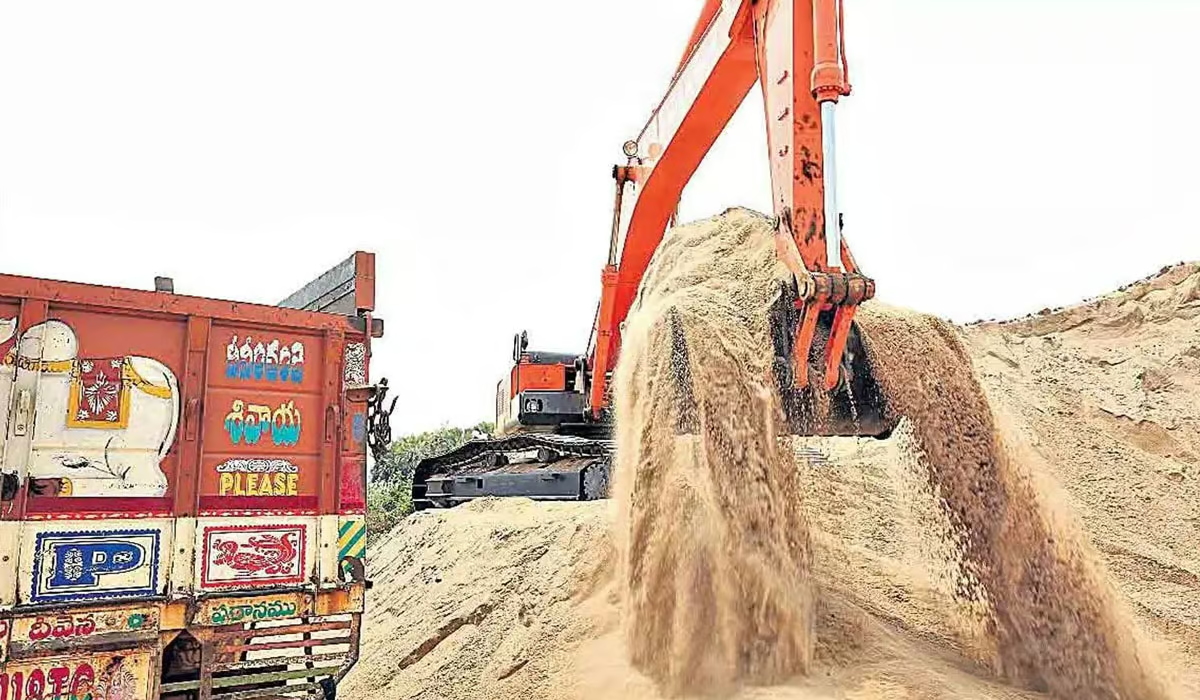
Amaravati: The Andhra Pradesh government has introduced strict guidelines to curb illegal sand mining and unauthorised transportation of minerals across the State. The decision follows directions from the High Court, which expressed concern over enforcement failures and called for coordinated action by multiple departments.
Under the new guidelines, district-level task forces headed by district collectors will review enforcement activities every 15 days. The government has also directed officials to launch a dedicated online portal and monitoring dashboard within 30 days.
The task forces will include officials from the police, revenue, mines, forest and other departments. Complaints received through newspapers, digital media, helplines and the public must be registered with unique case numbers. Joint inspections must be conducted, with reports submitted within three days.
Vehicles involved in illegal transportation will be seized, heavy penalties imposed and FIRs registered against violators. Officials who neglect their duties or support illegal activities will face departmental action.
Follow for more details: munsifdaily.com
According to government figures, 2,113 illegal sand-related cases were registered over the past two years, attracting penalties of ₹6.24 crore. Another 9,120 minor mineral violations were reported between 2024-25 and September 2026, involving penalties of ₹340.9 crore.
A similar incident came to light in February 2024, when an NGT-appointed committee exposed illegal sand mining in parts of Krishna and Guntur districts. The inspection revealed unauthorised mining without valid environmental clearances, highlighting the need for strict monitoring and coordination among government departments. The latest guidelines aim to prevent a recurrence of such violations.


