
US Tariff Threat: India May Face Fresh Trade Pressure Under Trump Administration
India could face another round of import tariff pressure from US President Donald Trump's administration, as Washington prepares to impose higher duties on countries accused of supporting domestic industries through government subsidies and financial assistance.

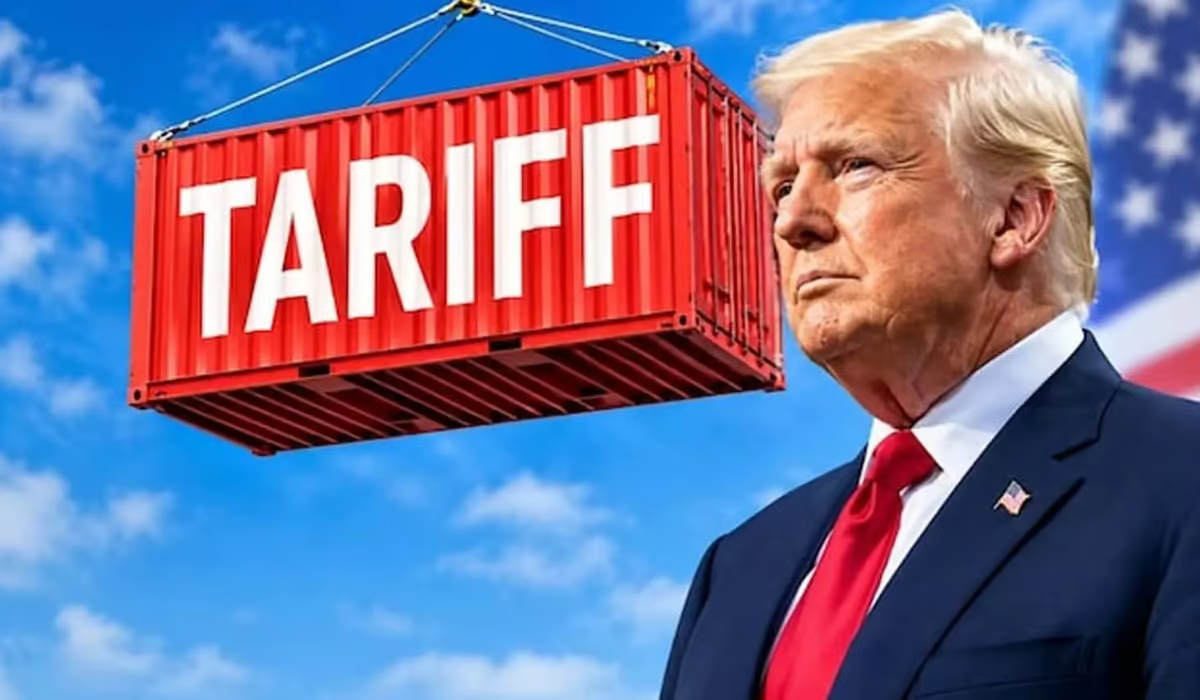
India could face another round of import tariff pressure from US President Donald Trump‘s administration, as Washington prepares to impose higher duties on countries accused of supporting domestic industries through government subsidies and financial assistance.
According to a report by The Wall Street Journal, the US Trade Representative (USTR), led by Jamieson Greer, is expected to announce the findings of a months-long investigation into 16 major economies, including India, China, Japan, South Korea and the European Union.
Washington alleges that government subsidies allow foreign manufacturers to produce goods at lower costs and flood international markets, putting American companies at a competitive disadvantage. The proposed tariffs could cover almost all exported products, with possible exemptions for steel, aluminium and automobiles, which already face separate duties on national security grounds.
Although final rates are yet to be determined, officials indicate that tariffs could be similar to those imposed in 2025. Japan, the EU and South Korea may receive rates of 15% or less, while India and Vietnam could face higher duties. China is likely to face the steepest tariffs.
The developments could further delay the India-US bilateral trade agreement. An interim understanding announced on February 7, 2026, proposed reducing duties on Indian goods from 25% to 18% and removing an additional 25% penalty linked to Russian oil purchases. However, the US Supreme Court subsequently struck down the earlier tariffs, complicating the agreement.
In April 2025, Trump announced sweeping reciprocal tariffs, including a 26% duty on Indian imports, triggering uncertainty among exporters. The latest developments are significant as renewed tariff pressure could affect India’s export competitiveness, manufacturing sector and bilateral trade relations, making a stable trade agreement increasingly important.


