
Union Cabinet Approves ₹62,370 Crore Fertiliser Subsidy for Rabi Season; Clears Major Development Projects
The Union Cabinet, chaired by Prime Minister Narendra Modi, has approved a series of major decisions covering agriculture, small businesses, data governance and urban infrastructure.

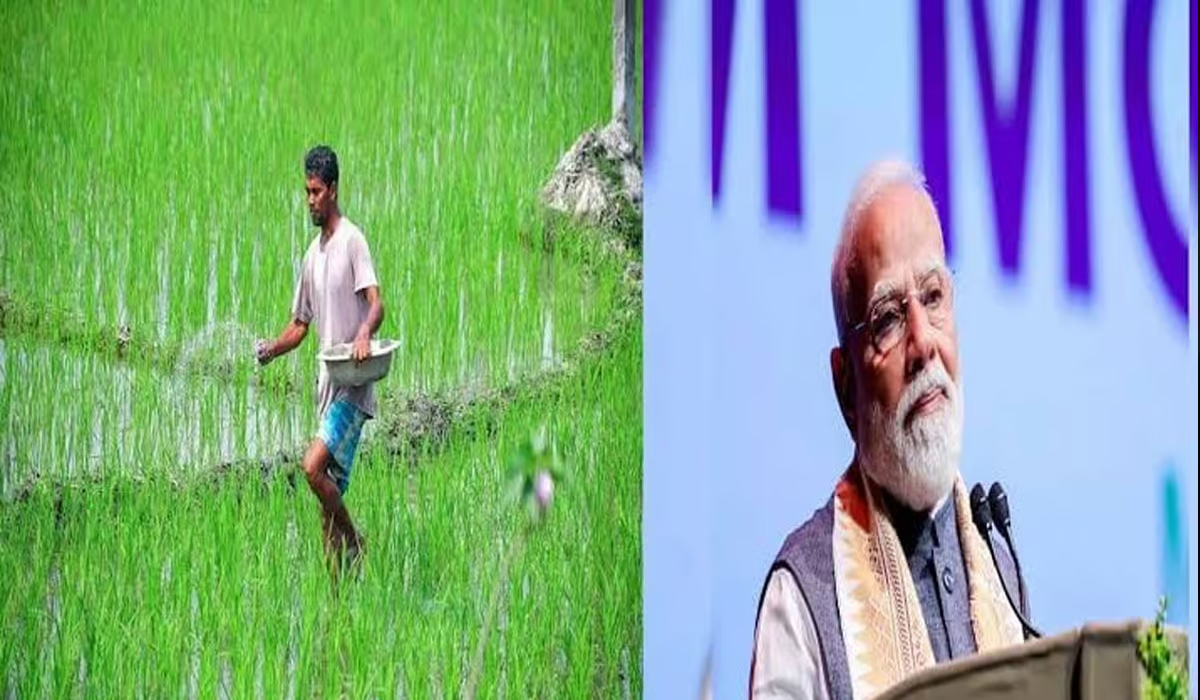
New Delhi: The Union Cabinet, chaired by Prime Minister Narendra Modi, has approved a series of major decisions covering agriculture, small businesses, data governance and urban infrastructure.
The key announcement is a ₹62,370-crore fertiliser subsidy package for the 2026-27 Rabi season, aimed at protecting farmers from rising international fertiliser prices.
Union Information and Broadcasting Minister Ashwini Vaishnaw said the allocation was 64% higher than the ₹37,952 crore provided during the previous Rabi season. The government will ensure that farmers continue to purchase a 50-kg bag of Di-Ammonium Phosphate (DAP) at ₹1,350 despite fluctuations in global prices. Subsidies will also cover other phosphatic and potassic fertilisers.
The Cabinet extended the Credit Guarantee Fund for Micro Units under the Pradhan Mantri Mudra Yojana for another five years with a ₹5,000-crore corpus. Collateral-free loans of up to ₹20 lakh will continue. The guarantee fee has been reduced from 1% to 0.75%. The Stand-Up India scheme has also been extended for five years to encourage women and SC/ST entrepreneurs.
Follow for more details: munsifdaily.com
The Cabinet approved the VISTAR project with an outlay of ₹4,371.10 crore for 2026-27 to 2030-31 to integrate artificial intelligence and machine learning into India’s statistical system.
It also cleared ₹2,390 crore for an 8.449-km Noida Metro Aqua Line extension from Sector 51 to Greater Noida Sector 4, covering five stations.
In October 2022, the Centre approved ₹51,875 crore in Rabi fertiliser subsidies amid soaring international prices following the Russia-Ukraine conflict. The latest package builds on similar interventions, highlighting the government’s efforts to protect farmers from global price shocks while strengthening entrepreneurship and public infrastructure.


