
Green SM entry sparks concern among Bengaluru transport operators
The proposed entry of Vietnam-based electric taxi service Green SM into Bengaluru has triggered opposition from private transport associations, with operators warning that the company’s business model could threaten the livelihoods of thousands of independent taxi and autorickshaw drivers.

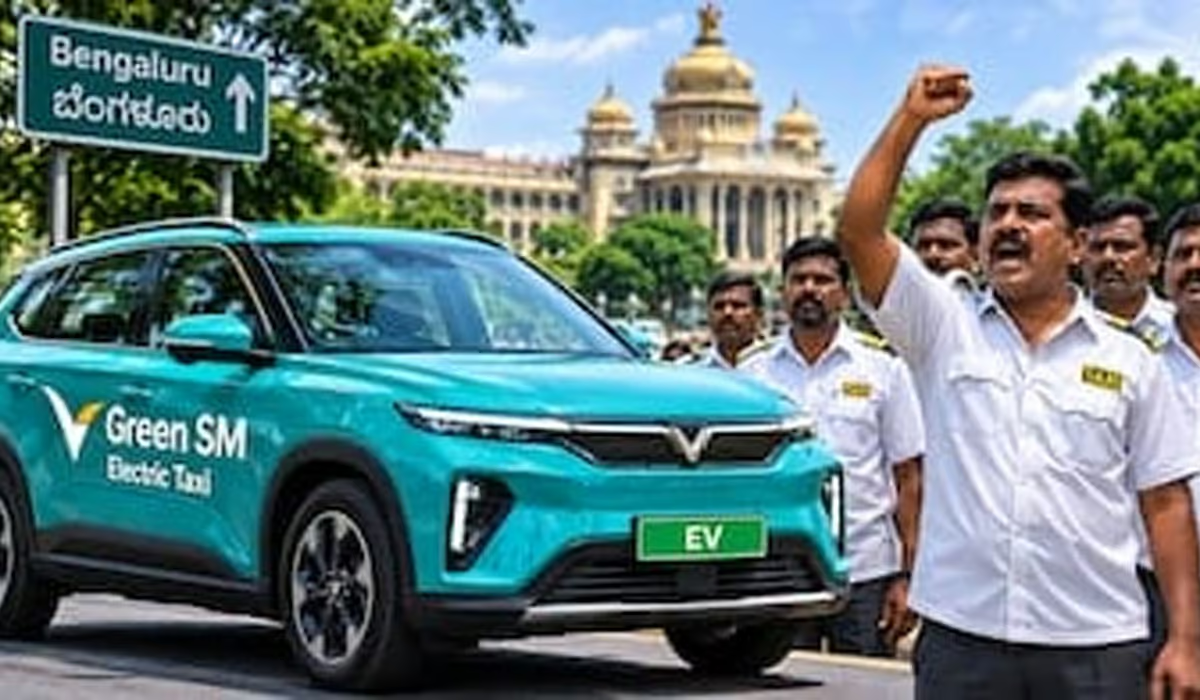
The proposed entry of Vietnam-based electric taxi service Green SM into Bengaluru has triggered opposition from private transport associations, with operators warning that the company’s business model could threaten the livelihoods of thousands of independent taxi and autorickshaw drivers.
In a representation to the Chief Minister, the Federation of Karnataka State Private Transport Associations argued that individual drivers operate under significant financial pressure. Most purchase vehicles through bank or NBFC loans and bear expenses such as EMIs, insurance, permits, maintenance and fuel. Their daily income depends on the number of trips they secure.
The federation said Green SM, operated by Vingroup, could enjoy an unfair advantage through corporate funding, bulk vehicle purchases, an independent app and fleet-management infrastructure. It also questioned reports of fares starting at Rs 8 per km, arguing that such rates could fall below actual operating costs.
Warning that smaller operators could be pushed into financial distress, the federation estimated that nearly eight lakh Bengaluru families depend on the taxi and autorickshaw sector. It has sought a cap of 100 vehicles on Green SM’s fleet, along with an audit of licence compliance and scrutiny of its fare structure.
Follow for more details: munsifdaily.com
Meanwhile, commuters have welcomed the possibility of another transport operator, arguing that increased competition could improve service quality and bring down fares. Several social media users complained about autorickshaw drivers refusing trips or declining to use meters. Others said the opposition was driven by commercial interests rather than passenger concerns.
The concerns also recall Bengaluru’s 2017 protests against Ola and Uber, when traditional taxi and autorickshaw associations opposed app-based aggregators over low fares. Subsequently, drivers working with the platforms also protested against reduced incentives and falling earnings.
The latest controversy highlights the challenge of balancing affordable urban mobility with the livelihoods of existing transport workers. As Bengaluru considers welcoming another major player, the government will have to ensure fair competition, transparent pricing and adequate safeguards for both drivers and commuters.


