
Israel elections: 7.3 million voters set to elect 120-member parliament
With Israel heading to parliamentary polls on Tuesday, 7.3 million eligible voters are set to cast their ballots to elect representatives to the country's 120-member parliament.

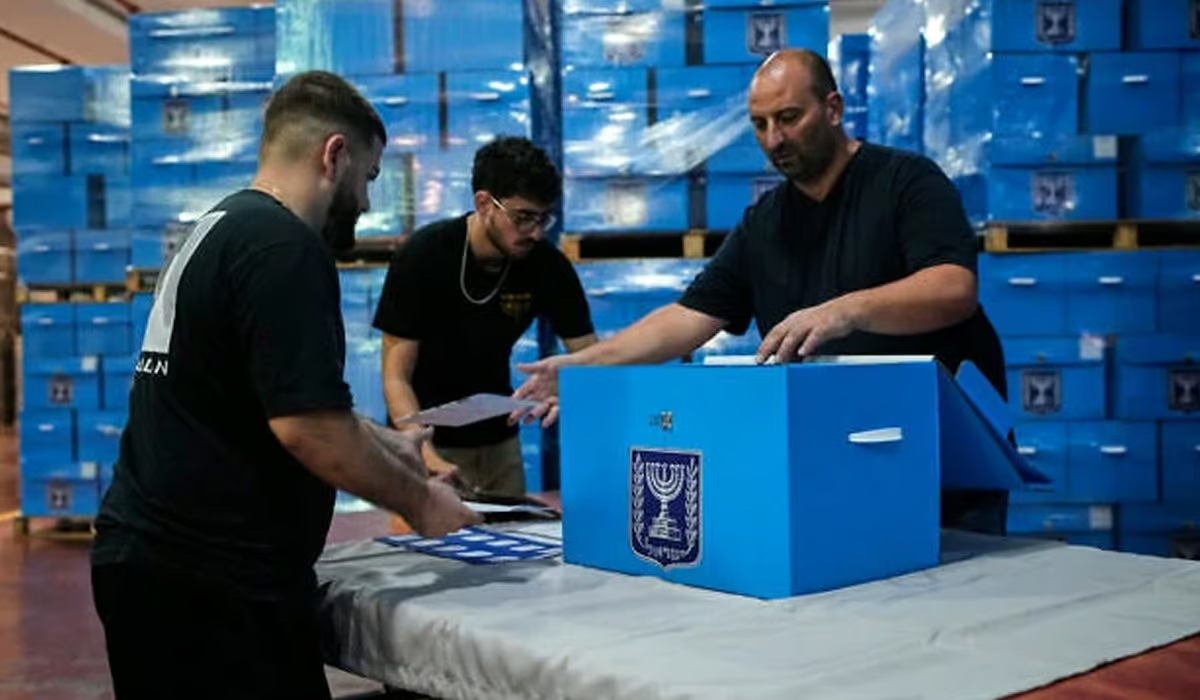
New Delhi/Jerusalem: With Israel heading to parliamentary polls on Tuesday, 7.3 million eligible voters are set to cast their ballots to elect representatives to the country’s 120-member parliament.
Speaking with IANS, Michelle Sirota, spokesperson for the Embassy of Israel in India, described the electoral process as a reflection of the country’s vibrant democracy, with voters choosing which parties will represent them in parliament, either in the ruling coalition or the opposition.
“Our elections are happening tomorrow, on the 27th of October. We have 7.3 million eligible voters who are able to vote. We hopefully will have a very high percentage of voters. This is a very vibrant democracy. People on the streets care about the future of Israel and what it is going to look like, and they’re going to truly understand and choose how the next four years in Israel are going to look,” said Sirota.
“Basically, we have 120 seats in our parliament, so you can vote for the biggest party or any party that you want. The number of seats each party gets based on the votes is the number of people they are eligible to send to parliament, either as part of the coalition or the opposition…,” she noted.
Outlining the government formation process, Sirota said the Israeli President would decide which party would get the first opportunity to form a government after the votes were counted. The party would have 28 days to secure the support of other parties and build a governing coalition.
“And what happens after the elections, we’ll see the votes, and the President will decide which party will get the chance to form the coalition. They will have 28 days to try to form the coalition to get a consensus, to convince other parties to join them in the coalition. If they are not successful, the other biggest party will get the chance to form the coalition. And I’m really hoping it doesn’t get to that, but if that doesn’t work, we will get to vote again in ninety days,” she added.
With opinion polls indicating no clear majority for either side, several political scenarios remain possible, including another round of elections, a national unity government or a minority government led by the opposition, senior Israeli journalist Yaron Decel told IANS.
“Right now, the polls do not show a clear majority for either side, so there is a scenario in which there could be another round of elections, a national unity government in which both parties find a way to cooperate, or a minority government formed by the bloc opposing Mr. Netanyahu. The opposition would try to form a minority government that does not have 61 out of 120 seats but can still secure a majority in parliament to begin governing, because they really want to replace the government,” Decel stated.
Meanwhile, Israeli citizens stressed the need for national unity amid the ongoing challenges facing the country.
“I say that no matter what the results are, we have to stay together and remain united. I don’t think it matters which government comes to power. It’s a very complicated situation, and the whole world has to stand with Israel because protecting Israel means protecting the world…,” a local told IANS.
“I think in these elections people are mostly worried about our national security. I think that after three years of war, we all want some peace,” said another.


